
From Playgrounds to Podiums: Chandigarh’s Journey to Sporting Excellence
Chandigarh’s Sporting Rise: How the City Built a High-Performance Culture
A city’s sporting identity rarely develops overnight and Chandigarh proves that success comes from sustained planning, institutional backing and cultural commitment. Over the decades, this carefully designed city has transformed itself from a centre with accessible playgrounds and school grounds into one of North India’s most respected talent development hubs.
Known for producing icons such as Kapil Dev, Yuvraj Singh, Harbhajan Singh, Abhinav Bindra, Jeev Milkha Singh Chandigarh has consistently shaped athletes who excel on national and global stages. Its real strength, however, lies beyond individual stars. Strong infrastructure, organised coaching systems, and a competitive environment have created a foundation where sporting excellence can thrive.
A Planned Beginning That Encouraged Sports
Unlike many urban centres where sports infrastructure developed unevenly, Chandigarh benefited from thoughtful design. Public parks, school playgrounds, and sector-based sports facilities became an integral part of city life from the beginning.
This early emphasis on physical spaces gave young athletes opportunities to train regularly. Institutions like the Sector 7 Sports Complex became key centres for disciplines such as athletics, hockey, swimming, and tennis. Educational institutions also played a vital role by promoting inter-school and college competitions, helping identify and nurture talent early.
Cricket’s Rise and Regional Influence
No discussion of Chandigarh’s sporting growth is complete without cricket. The city’s proximity to Mohali and the Punjab Cricket Association Stadium created a major regional advantage, exposing players to elite-level coaching and professional competition.
Kapil Dev’s leadership in India’s 1983 World Cup victory inspired generations across the region. Later, Yuvraj Singh and Harbhajan Singh strengthened Chandigarh’s image as a cricketing powerhouse. Their achievements not only brought recognition but also encouraged greater investment in academies, coaching, and youth development.
Building Excellence Beyond Cricket
While cricket captured the spotlight, Chandigarh steadily expanded its sporting footprint in multiple disciplines. Shooting emerged as a major strength, especially with Abhinav Bindra’s Olympic gold redefining what precision sports could achieve from the region.
Hockey continued to benefit from strong institutional support, producing accomplished players through disciplined coaching systems. Athletics also remained a critical pillar, supported by training centres and regional competitions that kept track and field relevant within the city’s sporting culture.
The Modern Shift: Sports Science and Specialisation
As Indian sports became more professional in the 2000s, Chandigarh adapted. Private academies, specialised coaching centres, and performance driven systems began complementing traditional public infrastructure.
Today’s athletes increasingly rely on sports science, nutrition, physiotherapy, and psychological conditioning alongside physical training. This shift has modernised Chandigarh’s sports culture, making it more competitive in an era where performance often depends on preparation beyond raw talent.
Football, too, has started carving out a larger space. Turf grounds, youth leagues, and academy structures have improved access, even though the sport still trails behind cricket and hockey in scale.
Expanding Opportunities for Women and Youth
Progress has also become visible in broader participation. More women now compete in athletics, shooting, badminton, and racket sports, supported by schools, universities, and structured tournaments.
At the grassroots level, expanding opportunities remain essential. While Chandigarh offers a stronger base than many cities, broader outreach and deeper inclusion can unlock talent from more communities.
Challenges on the Road Ahead
Despite major progress, Chandigarh still faces important hurdles. Public infrastructure quality can vary, football systems need deeper development, and competition from larger high-performance centres such as Bengaluru or Hyderabad continues to grow.
To maintain its reputation, the city must focus on consistent modernization while preserving accessibility for young athletes.
A Future Built on Strong Foundations
Chandigarh’s sporting journey reflects how infrastructure and ambition can work together over time. From government sports complexes to specialised academies, the city has steadily built an ecosystem capable of producing champions.
The next phase will likely depend on stronger investment in sports science, broader grassroots inclusion, and continued support for emerging disciplines. If that momentum continues, Chandigarh can strengthen its position not just as a regional sports centre, but as one of India’s leading athletic development models.
About The Author

 NEET Re-Exam Controversy Creates Anxiety Among Lakhs of Students
 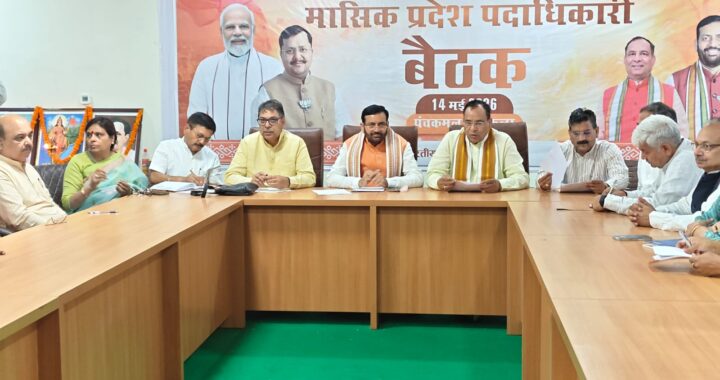 महत्वपूर्ण संगठनात्मक विषयों को लेकर भाजपा की अहम बैठक
 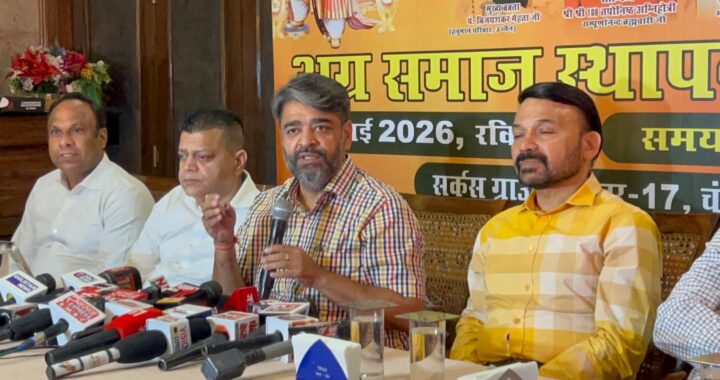 ‘एक शाम अग्रसेन जी के नाम’ कार्यक्रम में मुख्यमंत्री नायब सिंह सैनी रहेंगे मुख्य अतिथि
  हरियाणा मानवाधिकार आयोग ने जेलों में बढ़ती आत्महत्याओं, हिंसा और मानसिक स्वास्थ्य संकट पर लिया स्वतः संज्ञान
 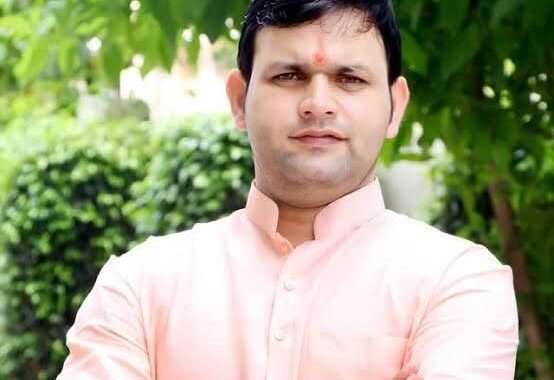 खेल मंत्री गौरव गौतम जींद जिला ग्रीवेंस कमेटी के अध्यक्ष नियुक्त
  VinFast Advances Global Aftersales Strategy, Expanding its International Service and Partnership Network