


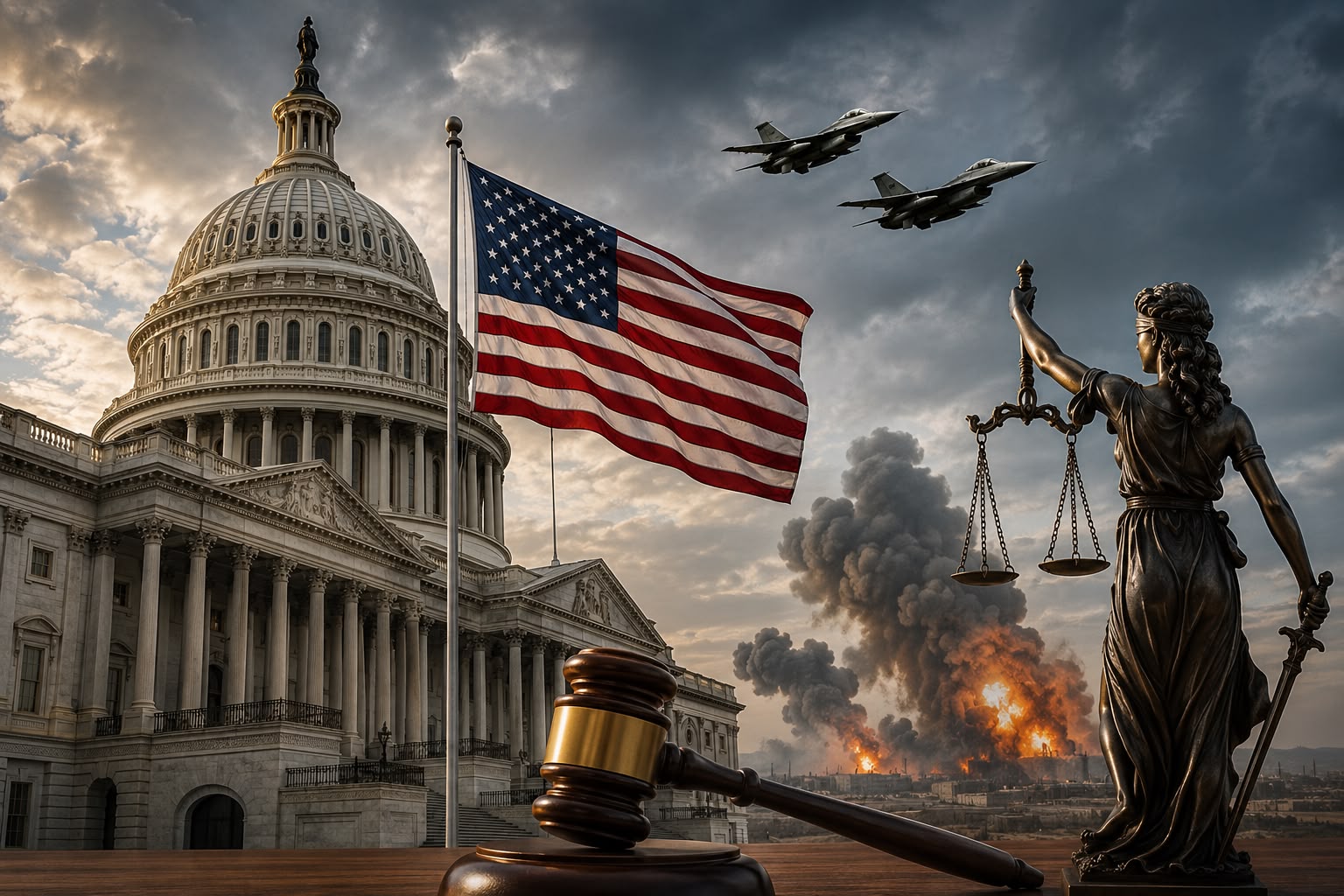
The United States Congress has taken a historic step by approving a war powers resolution aimed at limiting President Donald Trump’s ability to continue military operations against Iran without explicit authorization from lawmakers. The move is being viewed as a significant assertion of congressional authority over matters of war and national security, reflecting growing concern among both Democrats and some Republicans about the scope of executive power in military conflicts.
The resolution passed the Senate in a closely contested 50-48 vote, with four Republican senators joining Democrats in support of the measure. One Democratic senator voted against it. The House of Representatives had already approved a similar resolution earlier in the month, making the Senate vote a notable political setback for the Trump administration’s Iran policy. Supporters of the measure argue that decisions involving prolonged military engagement should require congressional approval, as outlined in the U.S. Constitution.
Although the resolution represents a rare and symbolic challenge to presidential war-making authority, its practical impact remains uncertain. The White House has dismissed the measure as ineffective, with President Trump criticizing the vote and insisting that it would not alter his administration’s approach toward Iran. However, advocates of the resolution say it serves as an important reminder that Congress has a constitutional role in determining whether the United States enters or continues military conflicts.
The vote comes amid growing public debate over U.S. involvement in the conflict with Iran and broader questions about the balance of power between Congress and the presidency. Critics of the administration’s actions argue that military operations have expanded without sufficient legislative oversight, while supporters of the president contend that swift executive action is sometimes necessary to protect national interests and respond to security threats.
Regardless of its ultimate legal effect, the resolution is being seen as a landmark moment in the ongoing struggle between the legislative and executive branches over control of U.S. foreign policy and military action. It highlights increasing bipartisan concern about unchecked presidential authority and signals renewed efforts by Congress to reassert its constitutional responsibilities in matters of war and peace.