

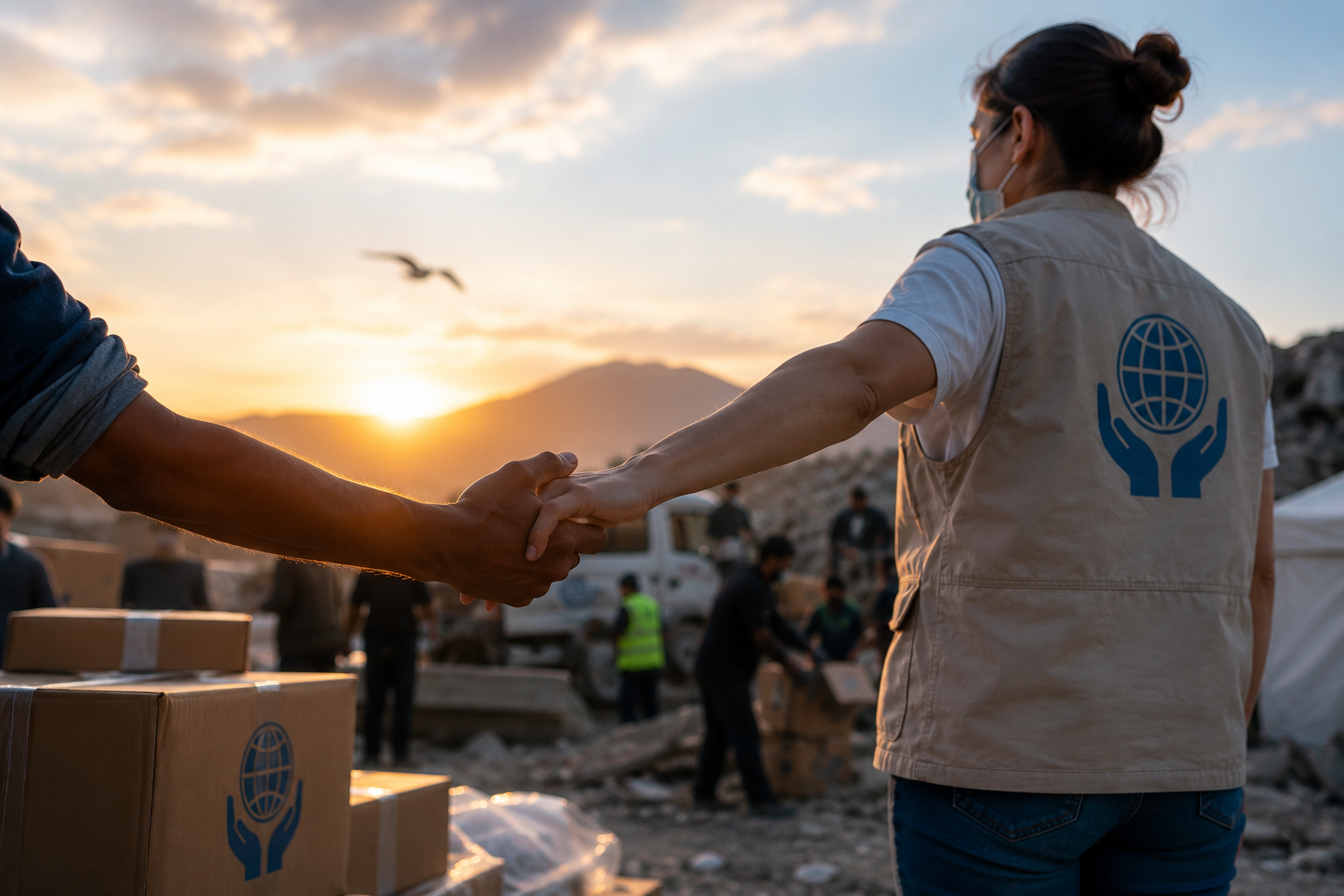
World Humanitarian Day is observed every year on 19 August to recognize humanitarian workers who dedicate their lives to helping people affected by conflicts, disasters, poverty, and other crises. The day also honours those who have lost their lives while delivering humanitarian assistance and highlights the importance of protecting civilians and aid workers in challenging environments.
The observance reminds the world that compassion, solidarity, and collective action are essential in responding to humanitarian emergencies and supporting vulnerable communities.
History of World Humanitarian Day
The United Nations General Assembly designated 19 August as World Humanitarian Day in 2008. The date marks the anniversary of the 2003 bombing of the UN headquarters in Baghdad, Iraq, where 22 humanitarian workers, including the UN Special Representative, Sérgio Vieira de Mello, lost their lives while serving others.
Since then, the day has become a global occasion to honour humanitarian workers and raise awareness about the increasing risks they face while providing lifesaving support.
Significance of the Day
Millions of people worldwide rely on humanitarian assistance because of armed conflicts, natural disasters, climate-related emergencies, displacement, food insecurity, and disease outbreaks. Humanitarian workers deliver emergency food, clean water, shelter, healthcare, education, and psychological support to communities in need.
World Humanitarian Day highlights the importance of ensuring safe access for humanitarian organisations and protecting those who work in dangerous conditions. It also encourages governments, organisations, and individuals to strengthen international cooperation in addressing global humanitarian challenges.
How World Humanitarian Day Is Observed
The United Nations, humanitarian organisations, educational institutions, and community groups mark the day through awareness campaigns, discussions, exhibitions, volunteer activities, fundraising initiatives, and social media campaigns. Many organisations share stories of humanitarian workers and the communities they serve to inspire greater public support for humanitarian action.
Individuals can participate by learning about global humanitarian issues, supporting trusted humanitarian organisations, volunteering in local communities, donating to relief efforts, and promoting kindness and inclusion in everyday life.
Why Humanitarian Work Matters
Humanitarian assistance saves lives and restores hope during some of the world’s most difficult moments. Whether responding to earthquakes, floods, armed conflicts, refugee crises, or public health emergencies, humanitarian workers provide essential support while respecting the principles of humanity, neutrality, impartiality, and independence.
Their efforts help communities recover, rebuild livelihoods, and regain dignity after crises.
Conclusion
World Humanitarian Day serves as a powerful reminder that helping others is a shared global responsibility. It honours the courage and dedication of humanitarian workers who continue to serve despite significant challenges and risks. By supporting humanitarian efforts and standing in solidarity with people affected by crises, individuals everywhere can contribute to a more compassionate, peaceful, and resilient world.
Read More: August Special Days: Complete List of Festivals, National and International Observances to explore all the important festivals, national events, international observances, and special days celebrated throughout the month of August.