

Introduction
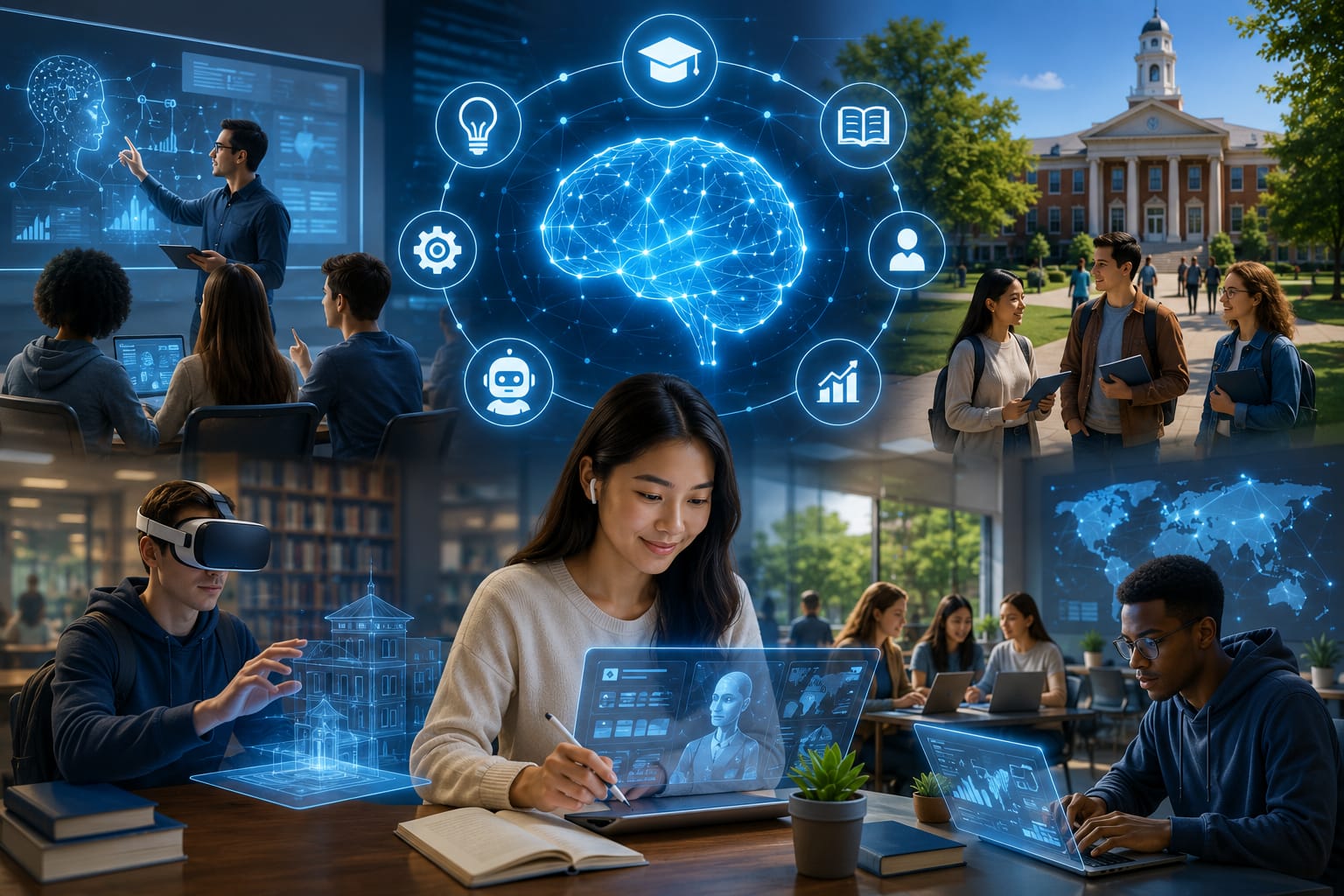
Artificial Intelligence is changing the way we learn. It is now a part of college life. Students use Artificial Intelligence to study professors use it to teach better and universities are using Artificial Intelligence to make learning easier.
College is not about classrooms and textbooks anymore. Artificial Intelligence tools can explain concepts make personalized study plans give instant feedback and even help students prepare for exams. At the time Artificial Intelligence is changing the way professors teach and that raises important questions about learning.
Personalized Learning Is Becoming the New Standard
One of the things about Artificial Intelligence in college is personalized learning. Every student learns differently. Some students pick up concepts quickly while others need practice and help. Traditional classrooms often have trouble meeting these needs because professors have to teach big groups at the same pace.
Artificial Intelligence changes this by looking at how a student learns, what they are good at and what they struggle with. Then Artificial Intelligence recommends lessons, quizzes and exercises that fit the students progress. For example if a student is having trouble with math Artificial Intelligence can suggest practice problems and explain the topic in different ways. If another student is picking up the material quickly Artificial Intelligence can recommend advanced topics.
This personalized approach helps students stay motivated and do better in school.
Artificial Intelligence Tutors Are Available Anytime
Unlike tutors Artificial Intelligence tutors are available all the time. Students do not have to wait for office hours or schedule appointments to get help. Artificial Intelligence assistants can explain concepts, answer questions make practice tests summarize textbooks and even give step-by-step solutions to math problems.
This instant help is especially useful when students are studying for exams and need help at night. Artificial Intelligence tutors give assistance, which reduces frustration and lets students keep learning.
While human tutors are still valuable for discussions Artificial Intelligence makes it easier for students to get help when they need it.
Research and Writing Have Become Efficient
Research is a big part of college. Students spend a lot of time searching for sources organizing information and writing assignments. Artificial Intelligence helps simplify these tasks. Students can use Artificial Intelligence tools to summarize research papers organize notes make outlines and improve their writing.
Of spending hours on boring tasks students can focus on understanding ideas analyzing evidence and coming up with original arguments. However colleges still want students to use Artificial Intelligence responsibly and not rely much on it. Students need to verify information cite sources correctly. Make sure their work is their own.
Professors Are Teaching Smarter
Artificial Intelligence is also changing the way professors teach. Many universities use Artificial Intelligence to analyze how students are doing in class identify topics where students struggle and recommend improvements to course materials.
Of waiting until the end of the semester professors can identify learning gaps early and give extra help before students fall behind. Artificial Intelligence also helps professors prepare lectures make quizzes and create learning activities. This gives professors time to engage with students.
Faster Grading and Better Feedback
Grading assignments is one of the time-consuming tasks for professors. Artificial Intelligence can evaluate tests, quizzes and even some written assignments within minutes. Students get feedback away which helps them identify mistakes while the material is still fresh in their minds.
This instant feedback encourages students to keep improving of waiting days or weeks for results. Professors still review projects and research papers carefully but Artificial Intelligence reduces the amount of routine grading tasks.
Virtual Learning Has Improved
Online education is now a part of college life and Artificial Intelligence has made virtual classrooms better. Artificial Intelligence records lectures, generates transcripts translates content into languages creates subtitles and recommends additional learning resources based on each students progress.
Students who miss a class can quickly review Artificial Intelligence-generated summaries of watching the whole lecture. These features make college more accessible for students, working professionals and students with different learning needs.
Career Preparation Is Becoming Practical
Employers expect graduates to understand Artificial Intelligence regardless of their field of study. As a result colleges are incorporating Artificial Intelligence into subjects, including business, engineering and healthcare.
Students learn how to use Artificial Intelligence while developing skills that employers value, such as critical thinking, problem-solving and digital literacy. Many universities now offer Artificial Intelligence certifications, practical workshops and industry projects that prepare students for Artificial Intelligence-driven workplaces.
Challenges and Ethical Concerns
Despite its advantages Artificial Intelligence also presents challenges. One major concern is integrity. Students may misuse Artificial Intelligence to complete assignments without developing their knowledge and critical thinking skills.
Privacy is another issue. Artificial Intelligence systems often collect a lot of student data making cybersecurity and responsible data management increasingly important. There is also the risk of information. Artificial Intelligence tools sometimes generate outdated responses meaning students must continue verifying facts through reliable sources.
Artificial Intelligence is changing college education in ways. From learning and virtual tutors to automated grading, smarter research and improved administration Artificial Intelligence is making college more efficient and accessible.
At the time colleges must address important issues such, as academic honesty, data privacy and responsible Artificial Intelligence use. Technology should support learning, not replace curiosity, creativity and independent thinking. Students who learn to use Artificial Intelligence responsibly will be better prepared for careers and professors who use Artificial Intelligence can create more engaging and effective learning experiences.