

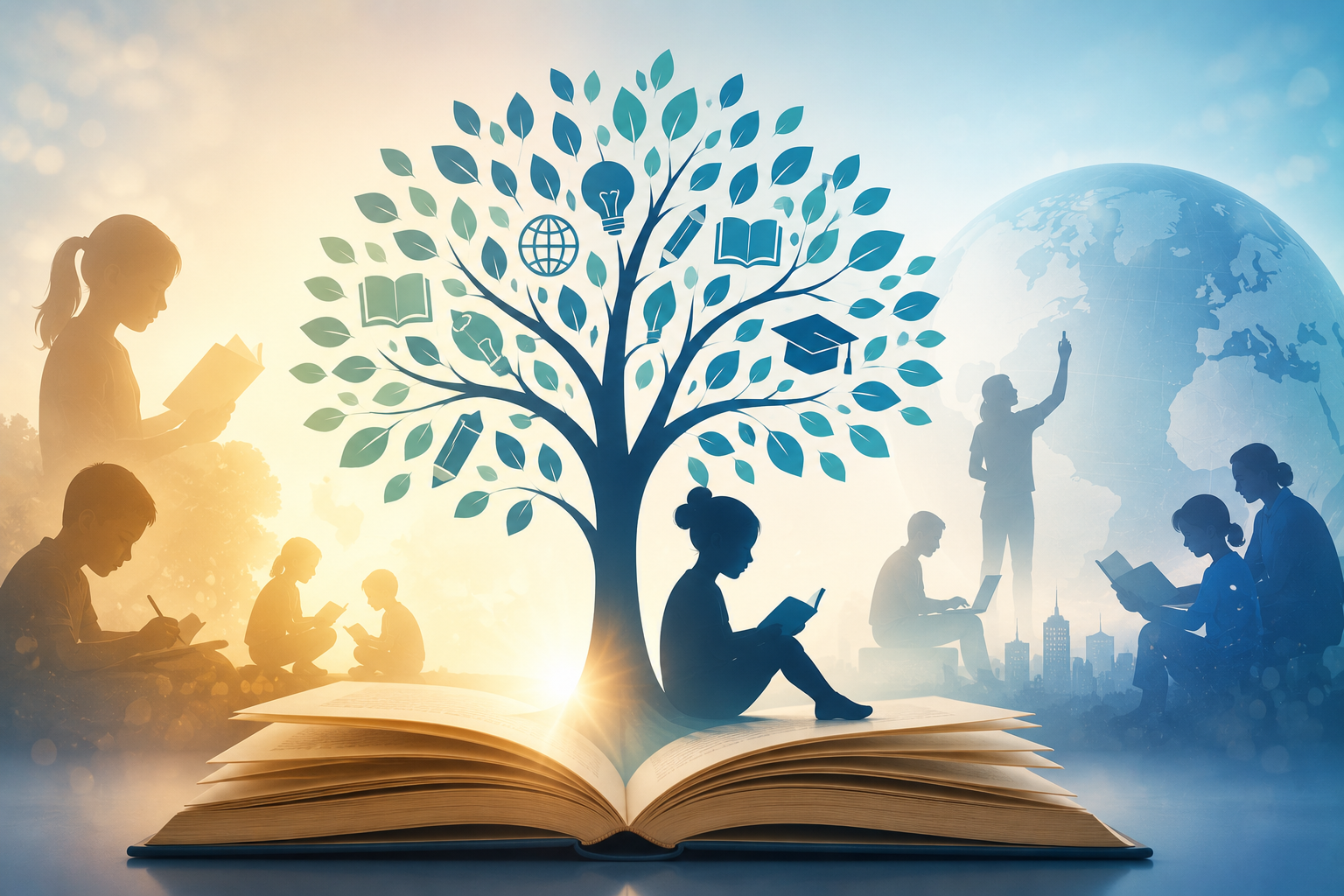
Every year on 8 September, the world celebrates International Literacy Day to highlight the importance of literacy as a fundamental human right. Established by UNESCO in 1966, the day reminds governments, educators, and communities that reading and writing are essential skills for personal growth, economic development, and social inclusion.
In 2026, International Literacy Day continues to encourage global efforts to ensure that everyone, regardless of age, gender, or background, has access to quality education and lifelong learning opportunities.
What Is International Literacy Day?
International Literacy Day was created to raise awareness about the importance of literacy and to encourage action to improve literacy rates worldwide. While significant progress has been made over the decades, millions of children, adolescents, and adults still lack basic reading and writing skills.
Literacy goes beyond the ability to read books or write sentences. It enables people to access information, make informed decisions, secure better employment, and actively participate in society. In today’s digital world, literacy also includes understanding digital information and using technology responsibly.
Why Literacy Matters
Literacy plays a vital role in shaping individuals and communities. People with strong literacy skills are more likely to:
- Access better education and employment opportunities.
- Improve their financial stability.
- Make informed health and lifestyle choices.
- Participate in civic and democratic activities.
- Break the cycle of poverty across generations.
Moreover, educating one person often creates a positive impact on families and future generations, making literacy one of the strongest tools for sustainable development.
Global Challenges to Literacy
Despite worldwide efforts, many barriers continue to prevent universal literacy. These include:
- Poverty and economic inequality.
- Limited access to quality schools.
- Gender discrimination.
- Armed conflicts and displacement.
- Lack of educational resources in remote areas.
Additionally, the rapid growth of digital technology has created a need for digital literacy. People now require skills to evaluate online information, use digital tools safely, and adapt to changing workplaces.
How International Literacy Day Is Celebrated
Schools, universities, libraries, and community organizations observe the day through various educational activities. Common celebrations include:
- Reading campaigns and book donation drives.
- Literacy workshops and awareness seminars.
- Storytelling sessions for children.
- Competitions such as essay writing and debates.
- Recognition of organizations and educators promoting literacy.
Many governments and non-profit organizations also launch initiatives to improve access to education and encourage lifelong learning.
How You Can Support Literacy
Everyone can contribute to promoting literacy in simple yet meaningful ways:
- Donate books to schools and libraries.
- Volunteer to teach reading or writing skills.
- Support organizations working in education.
- Encourage children to develop daily reading habits.
- Promote digital literacy and responsible internet use.
Even small actions can inspire a lifelong love for learning.
Conclusion
International Literacy Day is a reminder that literacy transforms lives and creates opportunities for individuals and communities alike. Education empowers people to overcome challenges, achieve their goals, and contribute positively to society. As the world continues to embrace lifelong learning and digital innovation, investing in literacy remains one of the most effective ways to build a more inclusive, informed, and prosperous future.
Read More: September: Complete Guide to Festivals, Important Days, and International Observances