


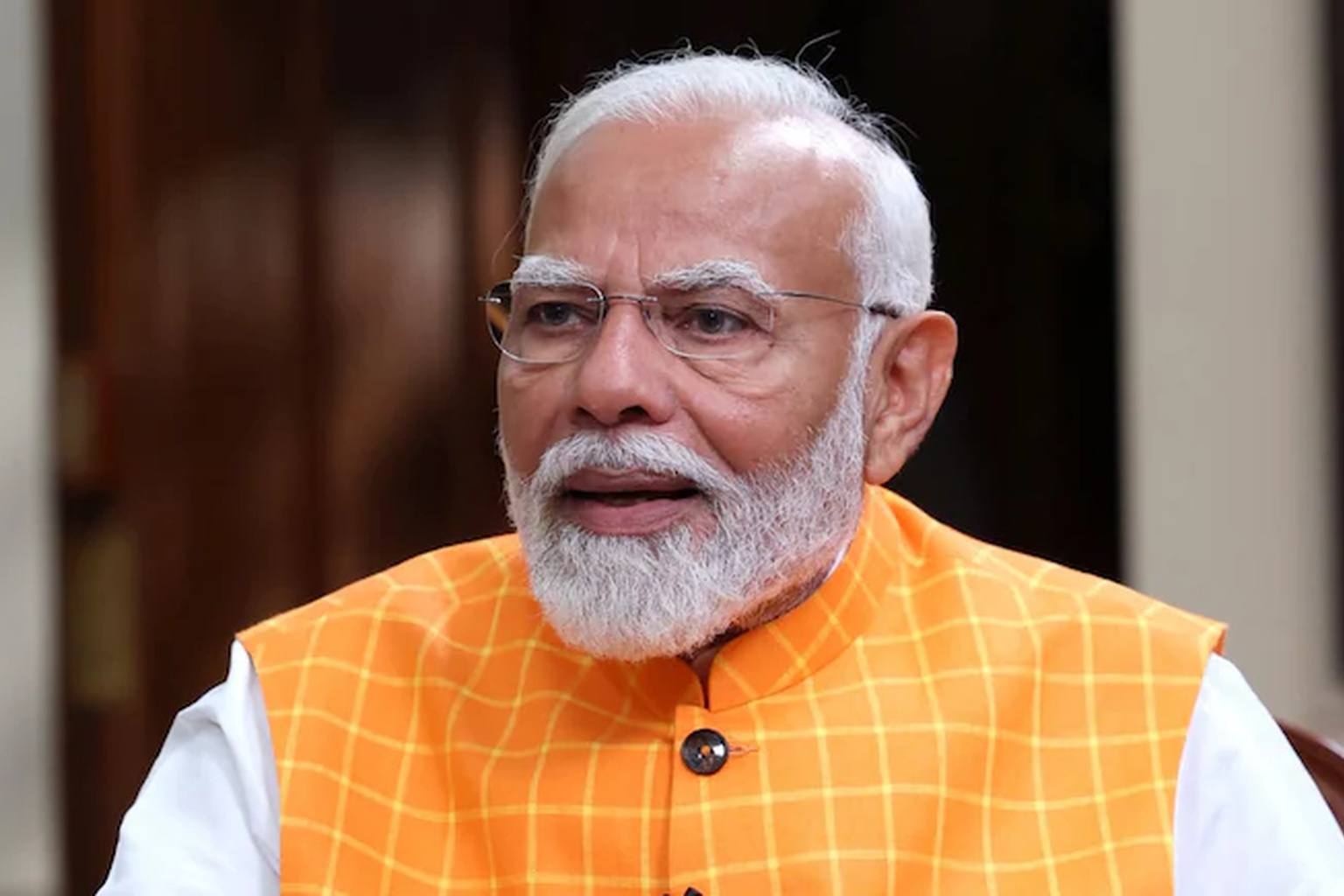
As India prepares for the next round of key elections, Punjab has once again emerged as a politically significant state for Prime Minister Narendra Modi and the Bharatiya Janata Party (BJP). While the BJP has traditionally faced challenges in Punjab, the party has intensified its efforts to strengthen its presence by focusing on development, national security, farmers’ welfare, infrastructure, and outreach to Sikh communities.
Punjab may account for only 13 Lok Sabha seats, but its strategic location, political influence, and economic importance make it a crucial state in India’s electoral landscape. As political parties gear up for future contests, Punjab is expected to remain a major focus of the BJP’s campaign strategy.
Why Punjab Holds Strategic Importance
Punjab shares a long international border with Pakistan, making it one of India’s most strategically important states. Issues such as border security, cross-border smuggling, and national security frequently shape political discussions in the region.
The state also plays a vital role in India’s agricultural economy. Known as the “Granary of India,” Punjab contributes significantly to the country’s food grain production. As a result, policies related to agriculture, irrigation, and rural development often influence voter sentiment.
Political analysts believe that any party aiming to strengthen its national presence cannot afford to ignore Punjab’s strategic and economic importance.
BJP’s Expanding Focus in Punjab
In recent years, Prime Minister Modi has increased his engagement with Punjab through development projects, infrastructure investments, and direct interaction with citizens. The central government has highlighted initiatives related to highways, rail connectivity, digital infrastructure, healthcare, and industrial growth.
The BJP has also tried to expand its organisational network in both urban and rural areas. Party leaders regularly visit the state to connect with local communities, traders, youth, and first-time voters.
The party believes that sustained grassroots engagement can help improve its electoral performance in Punjab over the long term.
Winning the Trust of Farmers
Agriculture remains one of the biggest political issues in Punjab. The farmers’ protest against the now-repealed farm laws significantly affected the BJP’s image in the state.
Since then, the central government has sought to rebuild trust through various welfare schemes, procurement policies, and support for agricultural development. BJP leaders continue to stress that the government remains committed to improving farmers’ incomes and strengthening rural infrastructure.
However, opposition parties argue that several concerns related to minimum support prices (MSP), crop diversification, and rural employment still require greater attention.
Reaching Out to Sikh Communities
Another important aspect of the BJP’s Punjab strategy is strengthening its relationship with the Sikh community. Over the past few years, the central government has announced several initiatives related to Sikh heritage and religious sites.
These include projects aimed at preserving historical places associated with Sikhism and improving facilities for pilgrims. BJP leaders say these efforts demonstrate the government’s commitment to respecting Punjab’s cultural and religious identity.
The party hopes such initiatives will help build stronger connections with voters across the state.
A Tough Political Contest
Despite its increased focus on Punjab, the BJP faces stiff competition. The Aam Aadmi Party (AAP) currently leads the state government, while the Congress remains a significant political force with a well-established organisation.
The Shiromani Akali Dal (SAD), once the BJP’s long-time ally, also continues to influence Punjab politics despite facing electoral challenges in recent years.
This multi-cornered contest means every political party must work harder to connect with voters and present a convincing vision for the state’s future.
Key Issues Likely to Shape the Election
Several issues are expected to dominate political campaigns in Punjab over the coming months.
Employment opportunities for young people remain a major concern. Industrial growth and investment are also likely to receive significant attention. Farmers continue to demand better support for agriculture and improved market access. Law and order, drug abuse, border security, and infrastructure development are other issues that voters are expected to consider before casting their ballots.
Political parties will also focus on education, healthcare, and welfare programmes to attract different sections of society.
PM Modi’s Political Strategy
Prime Minister Modi is expected to continue his outreach through public rallies, development announcements, and welfare initiatives. BJP leaders believe that highlighting infrastructure projects, economic growth, and national security will strengthen the party’s appeal in Punjab.
At the same time, the BJP is working to expand its local leadership and increase its presence at the grassroots level. The party hopes that a stronger organisation and sustained public engagement will improve its electoral prospects.
Opposition parties, however, are expected to challenge the BJP’s claims by raising issues related to agriculture, unemployment, inflation, and governance.
Conclusion
Punjab’s political importance extends far beyond its 13 parliamentary seats. The state’s strategic location, agricultural strength, and unique political landscape make it one of the most closely watched regions during every major election.
For Prime Minister Narendra Modi and the BJP, success in Punjab represents more than winning seats. It offers an opportunity to strengthen the party’s presence in a politically challenging state and broaden its national support base. As election campaigning gathers pace, Punjab is likely to remain at the centre of India’s political conversation, with every major party competing to earn the trust and confidence of its voters.