

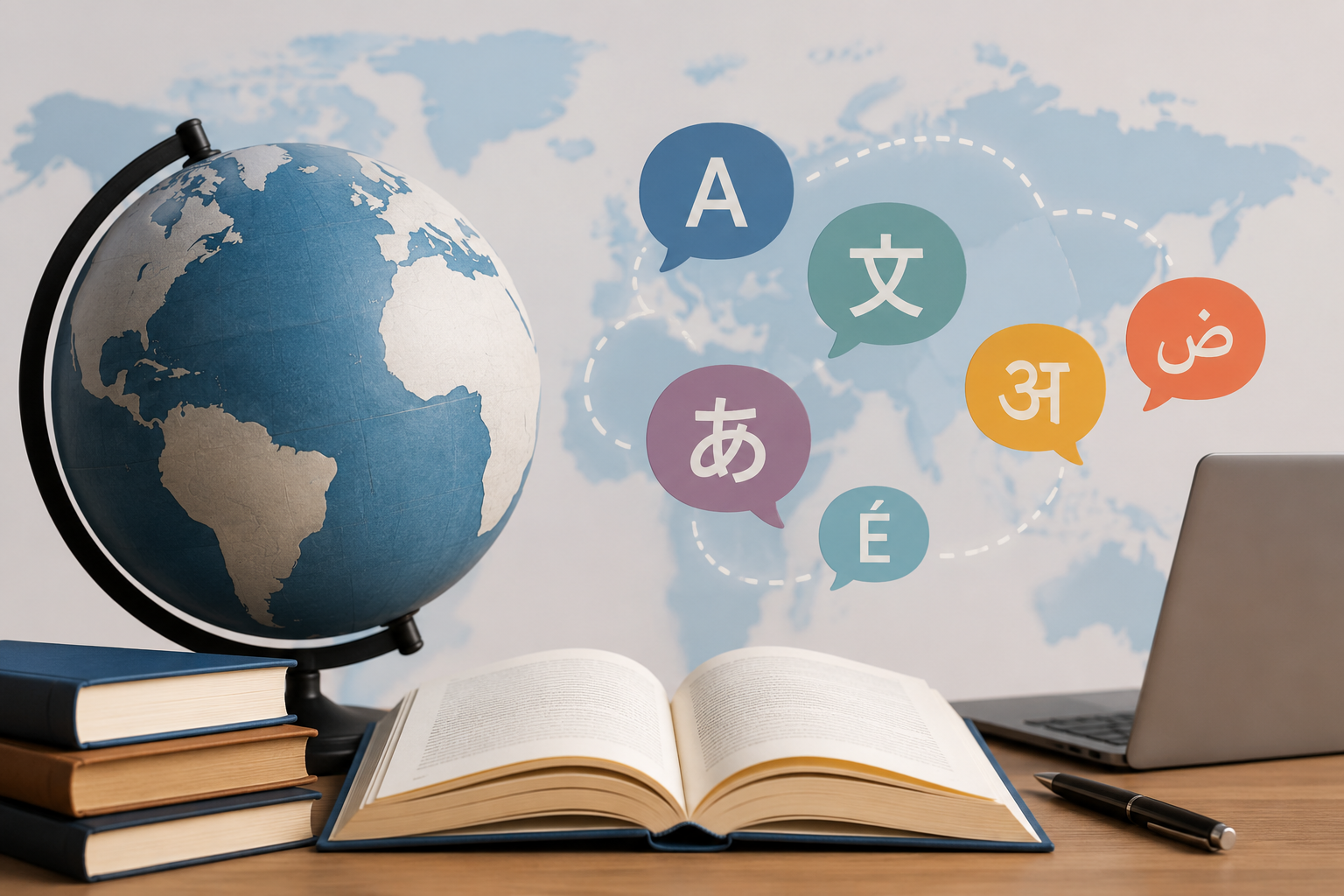
International Translation Day is observed every year on 30 September to recognize the vital role of translators, interpreters, and language professionals in connecting people across cultures and languages. In today’s globalized world, effective communication is essential for diplomacy, education, healthcare, business, and international cooperation. This day celebrates those who make information accessible to millions by breaking language barriers and promoting mutual understanding.
History of International Translation Day
The observance is held on 30 September in honor of Saint Jerome, the patron saint of translators. Saint Jerome is best known for translating the Bible into Latin, making religious texts more accessible to a wider audience. Recognizing the growing importance of translation in a multilingual world, the United Nations General Assembly officially declared International Translation Day in 2017. Since then, the day has highlighted the contributions of language professionals in fostering peace, cultural exchange, and global development.
Importance of Translation
Translation is much more than converting words from one language to another. It helps people communicate ideas accurately while respecting cultural and linguistic differences. Professional translators support governments, international organizations, businesses, researchers, and healthcare providers by ensuring information is understood correctly.
Their work is especially valuable in education, legal services, tourism, scientific research, emergency communication, and digital technology. During global crises, accurate translations help communities receive important health and safety information in their native languages, reducing confusion and misinformation.
Theme and Celebrations
The official theme for International Translation Day 2026 will be announced closer to the observance. Every year, the theme highlights the evolving role of translators in building inclusive societies and promoting multilingual communication.
The day is celebrated through seminars, translation competitions, language workshops, literary discussions, cultural programs, and online awareness campaigns. Universities, libraries, and professional language organizations also organize events to encourage students to explore careers in translation and interpretation while recognizing outstanding achievements in the field.
Conclusion
International Translation Day reminds us that language is a powerful bridge connecting people, cultures, and nations. Translators and interpreters make global communication possible by ensuring knowledge, literature, business opportunities, and essential services are accessible across linguistic boundaries. As technology and artificial intelligence continue to evolve, human translators remain indispensable for preserving cultural context, accuracy, and meaningful communication. Celebrating this day is a tribute to the professionals who help create a more connected, inclusive, and understanding world through the power of language.