


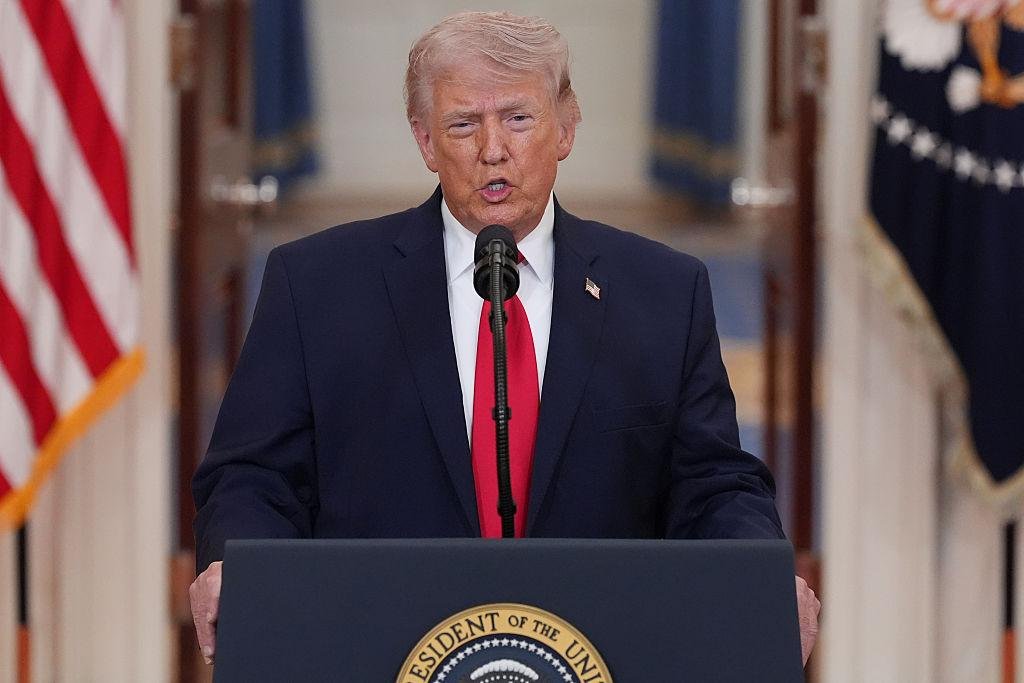
July 23, 2026 — U.S. President Donald Trump described the current standoff with Iran as a “skirmish,” adding that an agreement with Tehran may come soon despite ongoing exchanges of threats.
A Conflict Framed as Limited
Speaking to reporters, Trump characterised the situation as contained, avoiding language that would suggest a full-scale war. By using the term “skirmish,” the administration appears to be signalling that while tensions are real, they remain below the threshold of prolonged military conflict.
However, analysts note that such language may serve dual purposes: reassuring domestic audiences while leaving room for strategic manoeuvring on the international stage.
Mixed Signals on Negotiations
Trump stated that Iran “wants to negotiate” but is “not ready” to finalize a deal. This reflects a familiar pattern in U.S.–Iran relations, where public rhetoric often contrasts with behind-the-scenes diplomatic efforts.
Officials have not disclosed details of any ongoing talks, but the suggestion that an agreement could come “very soon” hints at active, if fragile, communication channels between the two sides.
Rising Tensions in a Strategic Region
The latest developments come amid heightened concerns over the Strait of Hormuz, a critical global shipping route for oil. Both Washington and Tehran have issued fresh warnings regarding the security of the waterway, raising fears of disruptions that could impact global energy markets.
Military posturing in the region has intensified, with naval activity and strategic deployments underscoring the seriousness of the standoff despite the “skirmish” label.
Global and Economic Implications
Any escalation in the region could have far-reaching consequences. The Strait of Hormuz handles a significant portion of the world’s oil supply, making it a focal point for international concern. Even limited disruptions could trigger volatility in energy prices and broader financial markets.
A Delicate Diplomatic Moment
While Trump’s comments suggest optimism about a potential deal, the gap between willingness to negotiate and readiness to agree remains a key obstacle. Diplomatic observers caution that progress will depend on mutual concessions, trust-building measures, and a reduction in hostile rhetoric.
For now, the situation remains fluid—marked by a mix of confrontation and cautious openness to dialogue, leaving the international community closely watching the next moves from both Washington and Tehran.