

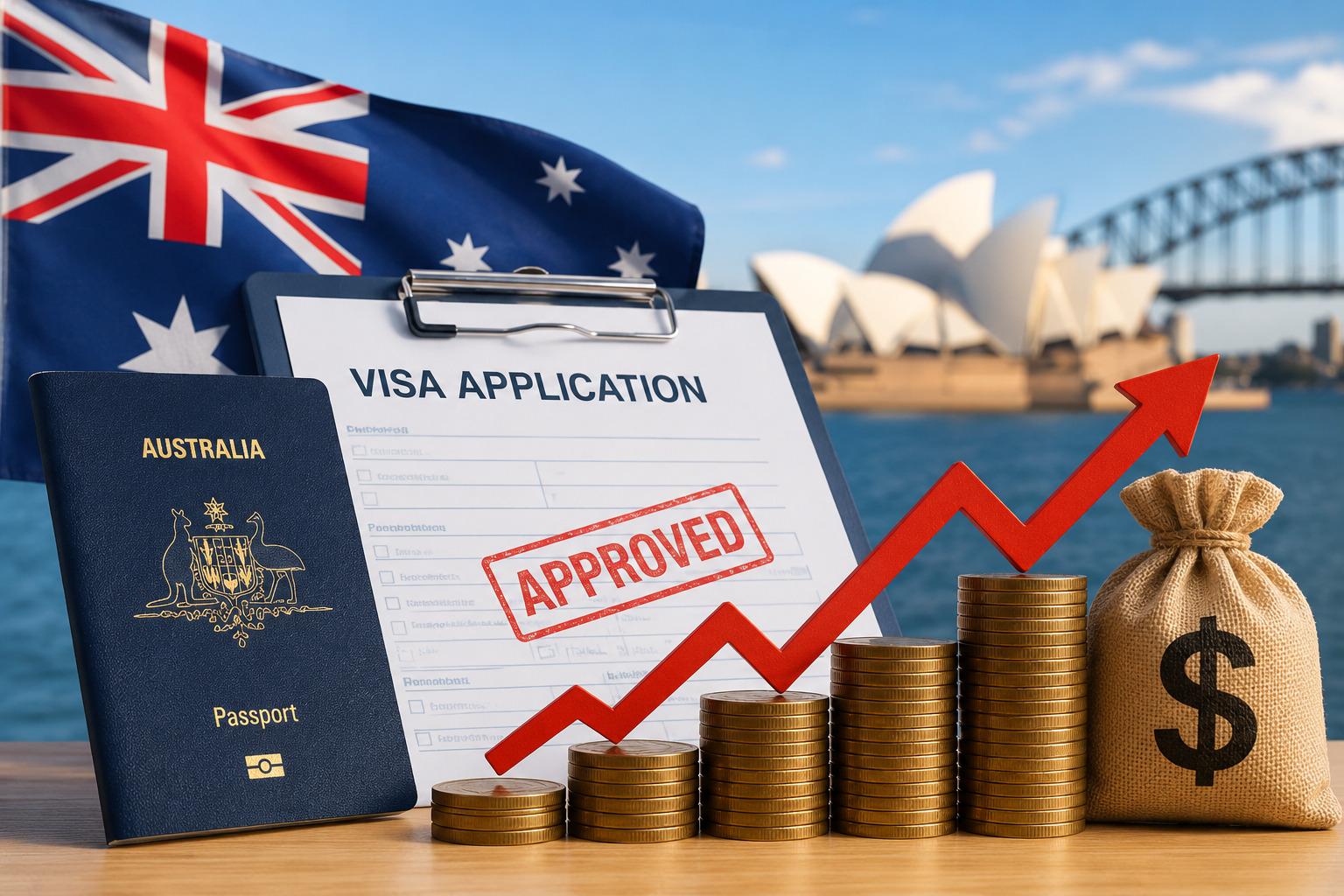
Australia has long been a preferred destination for international students, skilled workers, and families seeking better opportunities, a high standard of living, and pathways to permanent residency. However, the cost of immigrating to Australia has increased significantly in recent years, creating new financial challenges for prospective migrants. Rising visa fees, combined with additional application-related expenses, are making the immigration process more expensive than ever before.
Increasing Visa Application Charges
The Australian Government regularly reviews and updates visa application charges to account for inflation and administrative costs. In recent years, several visa categories have seen notable fee increases. Student visas, skilled migration visas, and temporary graduate visas have all become more expensive, adding to the financial burden on applicants.
For many migrants, the visa application fee is only the beginning. Applicants often need to pay for English language proficiency tests such as IELTS or PTE, skills assessments, health examinations, police clearance certificates, document translations, and health insurance. Those who choose to use migration consultants or legal advisors may face even higher costs.
As a result, the total expense of an immigration application can reach several thousand Australian dollars before a visa decision is even made.
Impact on International Students
International students are among the groups most affected by rising immigration costs. Australia remains one of the world’s leading study destinations, attracting students from countries such as India, China, Nepal, and the Philippines. However, higher visa fees add to already significant expenses, including tuition fees, accommodation, transportation, and daily living costs.
Many students view studying in Australia as the first step toward gaining work experience and eventually obtaining permanent residency. Increasing visa costs may force some students to reconsider their plans or explore alternative destinations that offer more affordable immigration pathways.
Education experts have warned that rising costs could reduce Australia’s competitiveness in the global education market. Students from middle-income families may find it particularly difficult to manage the growing financial requirements associated with studying and living abroad.
Challenges for Skilled Migrants
Australia relies heavily on skilled migration to address labor shortages in sectors such as healthcare, engineering, information technology, construction, and education. Skilled migrants contribute significantly to the country’s economy and workforce development.
However, increasing visa costs can create barriers for qualified professionals seeking opportunities in Australia. A skilled worker applying for a permanent visa may face expenses related to visa application charges, skills assessments, English language tests, and medical examinations. When spouses and dependent children are included in an application, the total cost can increase substantially.
For many applicants, these expenses represent a major financial commitment, particularly when there is no guarantee of visa approval.
Why Are Costs Rising?
The Australian Government argues that visa fee increases help fund immigration services, improve processing systems, and maintain the integrity of the migration program. Authorities also aim to ensure that visa applications are processed efficiently while supporting border security and compliance measures.
Supporters of higher fees believe they help cover the costs of administering a complex immigration system. Critics, however, argue that excessive fee increases may discourage talented students and skilled workers from choosing Australia, potentially affecting the country’s ability to attract global talent.
Looking Ahead
Despite rising costs, Australia continues to offer attractive opportunities for education, employment, and long-term settlement. Strong economic prospects, world-class universities, and a high quality of life continue to draw migrants from around the world.
Nevertheless, prospective applicants should carefully research current visa requirements and prepare a realistic budget before beginning the immigration process. Understanding all associated expenses can help reduce financial stress and improve planning.
As migration policies continue to evolve, the debate over affordability and accessibility is likely to remain an important issue. Policymakers will need to balance the need for a sustainable immigration system with the goal of attracting skilled professionals and international students who contribute to Australia’s future growth.
Frequently Asked Questions (FAQs)
1. Why are Australian immigration application fees increasing?
Visa fees are generally increased to cover administrative costs, improve processing systems, and support immigration program reforms. Inflation and policy changes can also influence fee adjustments.
2. What expenses should applicants consider besides visa fees?
Applicants may need to pay for English language tests, skills assessments, medical examinations, police certificates, health insurance, document translations, and migration consultancy services.
3. How do rising visa costs affect international students?
Higher visa fees increase the overall cost of studying in Australia, making it more challenging for some students to afford education and living expenses.
4. Are skilled migrants affected by these fee increases?
Yes. Skilled migrants often face multiple expenses throughout the application process, and costs can rise significantly when family members are included in the application.
5. Is Australia still a popular destination despite rising immigration costs?
Yes. Australia remains attractive due to its strong economy, quality education system, employment opportunities, and pathways to permanent residency, although higher costs may influence some applicants’ decisions.
Leave a Reply