

Introduction
In recent years, the concept of sustainable living has gained significant attention across the world. Growing environmental challenges such as climate change, pollution, deforestation, and depletion of natural resources have highlighted the need for a more responsible way of living. Sustainable living refers to adopting lifestyle choices that minimize the use of Earth’s natural resources and reduce negative impacts on the environment. It encourages individuals, communities, and organizations to make decisions that meet present needs without compromising the ability of future generations to meet their own needs.
Sustainable living is not just an environmental movement; it is a practical approach to creating a healthier, more balanced, and secure future. By making small but meaningful changes in our daily habits, we can contribute to the protection of our planet and ensure long-term well-being for society.
Understanding Sustainable Living
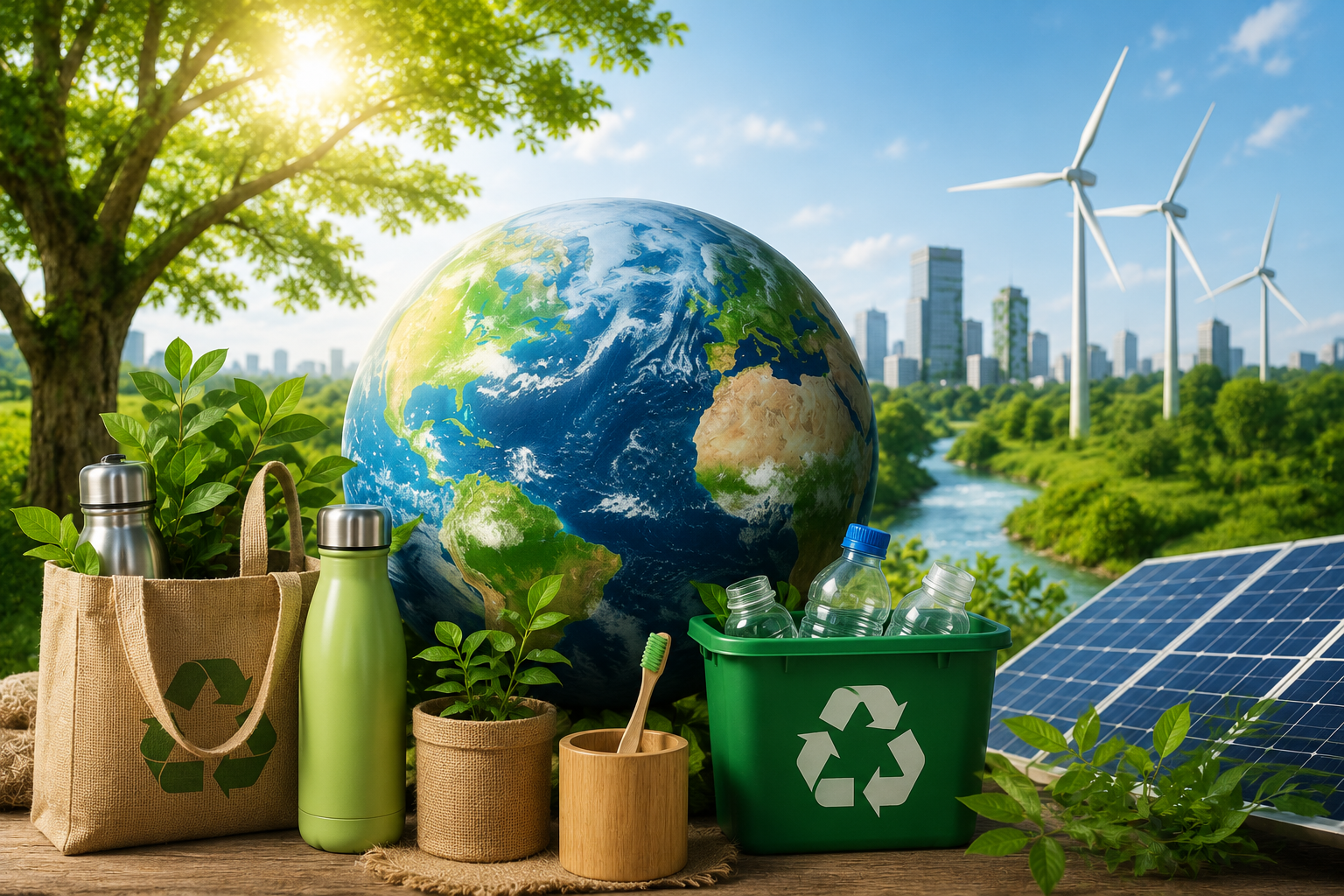
Sustainable living involves using resources efficiently and reducing waste in everyday life. It includes practices such as conserving energy, reducing water consumption, recycling materials, using eco-friendly products, minimizing plastic usage, and supporting sustainable transportation options.
The goal of sustainable living is to maintain harmony between human activities and the natural environment. It promotes responsible consumption and encourages people to think about the long-term consequences of their actions.
Environmental Benefits of Sustainable Living
One of the most important reasons for adopting sustainable living is its positive impact on the environment. Human activities have placed tremendous pressure on natural ecosystems, leading to environmental degradation and biodiversity loss. Sustainable practices help reduce this pressure and protect the planet’s natural resources.
For example, reducing energy consumption lowers greenhouse gas emissions, which contribute to global warming. Recycling and reusing materials decrease the amount of waste sent to landfills and reduce the need for raw material extraction. Similarly, conserving water helps preserve freshwater resources for future use.
In my opinion, sustainable living is essential because it directly benefits the environment. It helps reduce pollution, conserve natural resources, and maintain ecological balance. By adopting environmentally friendly habits, individuals can make a meaningful contribution to protecting the Earth.
Conservation of Natural Resources
Natural resources such as water, forests, minerals, and fossil fuels are limited. Excessive consumption and misuse of these resources can lead to shortages and environmental damage. Sustainable living encourages the responsible use of resources to ensure their availability for future generations.
Simple actions such as turning off unused electrical appliances, using energy-efficient devices, and reducing water wastage can significantly contribute to resource conservation. Sustainable agriculture and responsible consumption patterns also play a vital role in preserving valuable natural resources.
Conserving resources today helps prevent future crises and supports long-term economic and environmental stability.
Benefits for Future Generations
One of the most compelling reasons to embrace sustainable living is its impact on future generations. The choices made today will shape the world that future generations inherit. If current patterns of excessive consumption and environmental destruction continue, future generations may face serious challenges, including resource shortages, environmental disasters, and declining quality of life.
I strongly believe that sustainable living is beneficial for future generations
Challenges in Adopting Sustainable Living
Adopting sustainable living can be tough. There are reasons for this. Some people do not know about living. They do not have access to products. They also find it hard to change their habits. In some places people do not have money to make sustainable choices. The infrastructure is also not good.
However, we can solve these problems. We can educate people about living. The government can make policies to help. New technology can also make a difference. If people in a community work together they can make sustainable living easier. If many people make changes, it can make a big difference.
Conclusion
Sustainable living is a way to help the environment and society. It helps us use resources in a way. It reduces the damage we do to the environment. It helps the economy. Makes our lives better.
I think sustainable living is important because it helps the environment. It helps secure a future, for our children and their children. Sustainable living helps us save resources. It reduces pollution. Makes our communities healthier. If we use practices every day we can help, make the world a better place. What we do today will affect the future of the earth. So sustainable living is not something we can choose to do it is something we must do.