

Introduction
Ten years ago, studying meant carrying heavy textbooks, writing long notes, and spending hours searching for information in libraries. Today, a smartphone can provide thousands of lessons, practice tests, and study materials within seconds. This shift is not only about where students learn but also about how they learn.
Study apps have become an important part of modern education. Whether you are preparing for school exams, competitive tests, or university coursework, these apps make learning more accessible, flexible, and personalized. However, while they cannot replace teachers or classrooms, they have significantly transformed the learning experience.
How Study Apps Have Changed Learning
Learning Beyond the Classroom
One of the biggest advantages of study apps is flexibility. Students are no longer restricted by school schedules or geographical limitations. Learning can happen anywhere—on the bus, late at night, or even during short breaks.
This creates a continuous learning environment. Instead of waiting for the next class to understand a concept, students can immediately access explanations and practice materials whenever needed.
Personalized Learning Experiences
Every student has a different learning style. Some prefer videos, others enjoy reading, while many learn best through practice questions. Traditional classrooms often struggle to meet all these individual needs.
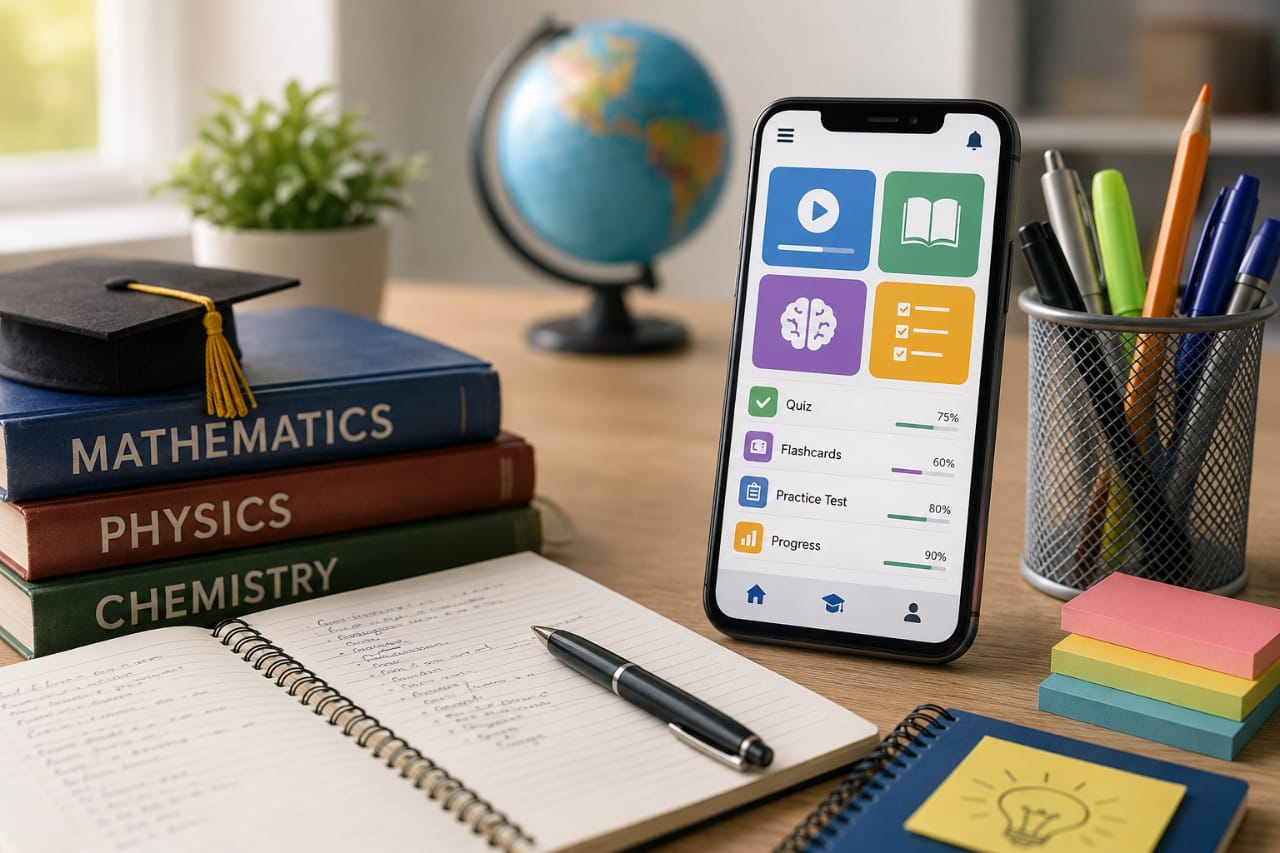
Study apps solve this problem by offering multiple learning formats such as videos, quizzes, flashcards, and adaptive tests. Many apps also track performance and suggest topics that need improvement, making learning more targeted and effective.
The Role of Technology in Student Success
Instant Access to Information
Earlier, students had to spend hours collecting study material from different sources. Now, one app can provide complete learning resources in a single place. This is especially helpful for students who have limited access to quality educational materials.
Making Learning Interactive
Studying can sometimes feel boring or repetitive. Study apps make learning more engaging through gamification techniques like quizzes, challenges, points, and rewards.
These features keep students motivated and encourage regular practice. Instant feedback also helps learners correct mistakes quickly and improve retention.
Benefits Beyond Academics
Better Time Management
Many study apps include planners, reminders, and progress trackers that help students organize their study schedules effectively. This encourages discipline and helps students achieve their academic goals on time.
Personally, these features have been very helpful. Setting targets and tracking progress makes it easier to stay focused and consistent.
Encouraging Independent Learning
Study apps encourage students to take responsibility for their own learning. They can explore topics independently, revise concepts, and study at their own pace without constant supervision.
This builds an important lifelong skill—self-learning. In today’s world, learning does not stop after school or college; professionals must continuously upgrade their knowledge.
Practical Examples and Real-World Observations
Competitive Exam Preparation
Many students rely on study apps to prepare for competitive exams. Mock tests and practice papers help them identify weak areas and improve performance over time.
Professional Courses and Skill Development
Study apps are also widely used for skill development and professional courses. They help students and working individuals balance education with other responsibilities by offering flexible learning options.
I have personally used study apps during exam preparation and found them very helpful in revising concepts and practicing questions effectively.
Challenges Students Should Not Ignore
Despite their benefits, study apps also come with challenges. Mobile phones can easily become a source of distraction. With so much information available, students may feel overwhelmed or lose focus.
Technology should be treated as a tool, not a replacement for discipline and hard work. Without proper self-control, even the best learning apps cannot guarantee success.
Key Takeaways
- Study apps make learning more flexible and accessible.
- Students can learn anytime and anywhere using digital tools.
- Personalized learning helps focus on individual weaknesses.
- Interactive features improve engagement and memory retention.
- Study apps support better time management and independent learning.
- Success depends on how effectively students use these tools.
Closing Thoughts
Study apps have transformed education by giving students greater control over how they learn. They have made education more accessible, flexible, and personalized than ever before.
However, the true value of these apps does not lie in the technology itself, but in how it is used. A smartphone can open the door to endless learning opportunities, but curiosity, discipline, and consistent effort are still essential.
When used wisely, study apps can help students achieve not only better grades but also develop the lifelong skill of continuous learning.