

Introduction and Significance
Ganga Dussehra is an important Hindu festival that celebrates the descent of the holy River Ganga to Earth. It falls on the tenth day (Dashami) of the bright fortnight of the Hindu month of Jyeshtha, usually in May or June. In 2026, the festival will be observed on June 19. According to Hindu mythology, King Bhagiratha performed severe penance to bring the river from heaven to Earth. He wished to help the souls of his ancestors attain salvation. Therefore, devotees regard the Ganga as a symbol of purity, faith, and divine blessings. Many people believe that taking a holy dip in the river on this day cleanses sins and brings spiritual peace.
Rituals and Celebrations
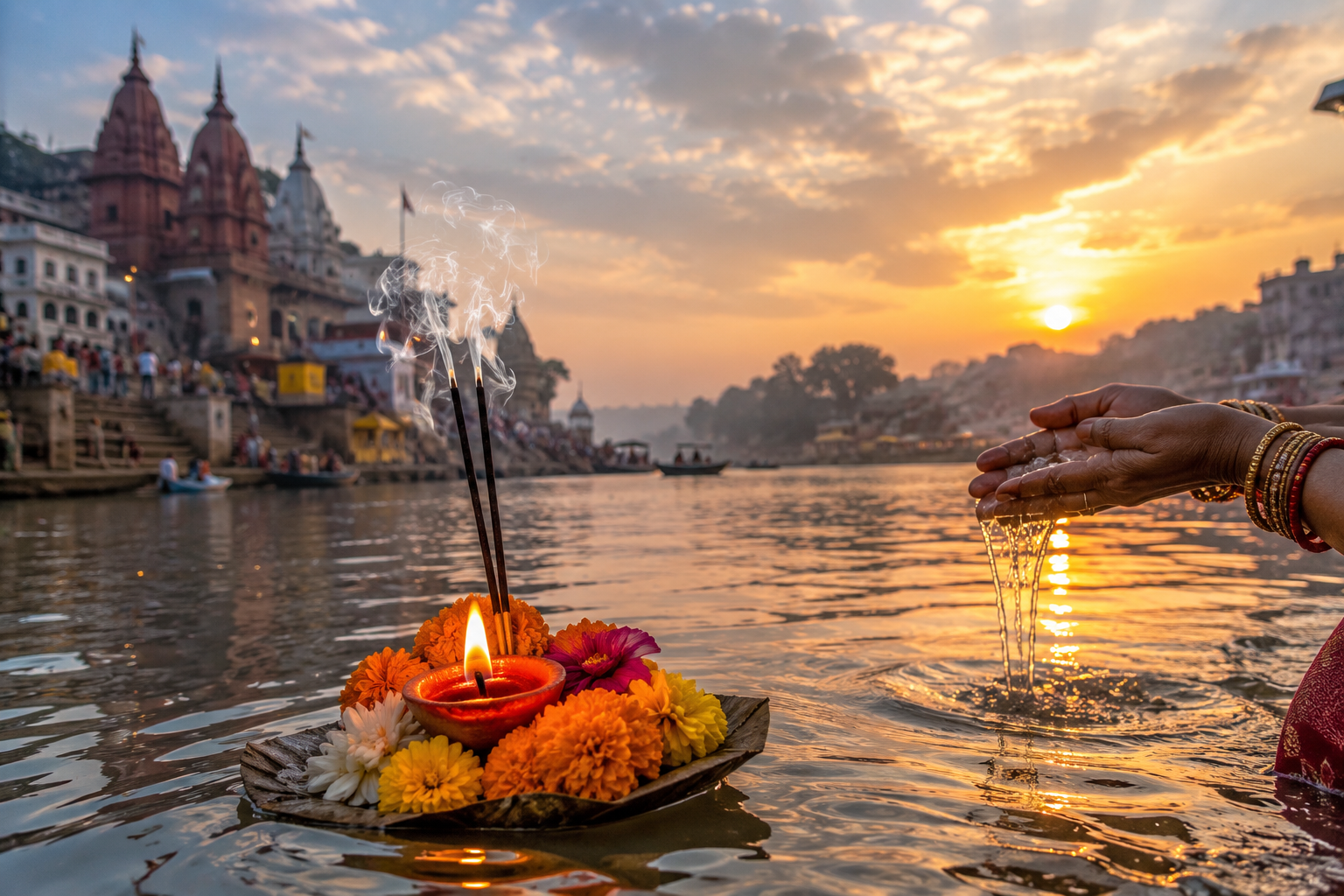
On Ganga Dussehra, thousands of devotees gather at riverbanks and ghats to offer prayers. They take a sacred bath in the Ganga and seek blessings for health, prosperity, and happiness. In addition, temples organize special pujas, bhajans, and aarti ceremonies. Devotees also offer flowers, fruits, and diyas to the river as a mark of respect. Many people perform charitable acts by donating food, clothes, and other essentials to those in need. As a result, the festival promotes both devotion and compassion. Cities such as Haridwar, Varanasi, and Prayagraj witness large gatherings and vibrant celebrations.
Spiritual and Environmental Message
Ganga Dussehra is not only a religious festival but also a reminder to protect nature. The River Ganga supports millions of people and plays a vital role in Indian culture. Therefore, the festival encourages everyone to keep rivers clean and conserve water resources. It also highlights the importance of respecting the environment for future generations. Through prayers, community activities, and acts of kindness, Ganga Dussehra spreads the values of faith, gratitude, and responsibility. The festival continues to inspire people to live in harmony with both spirituality and nature.