


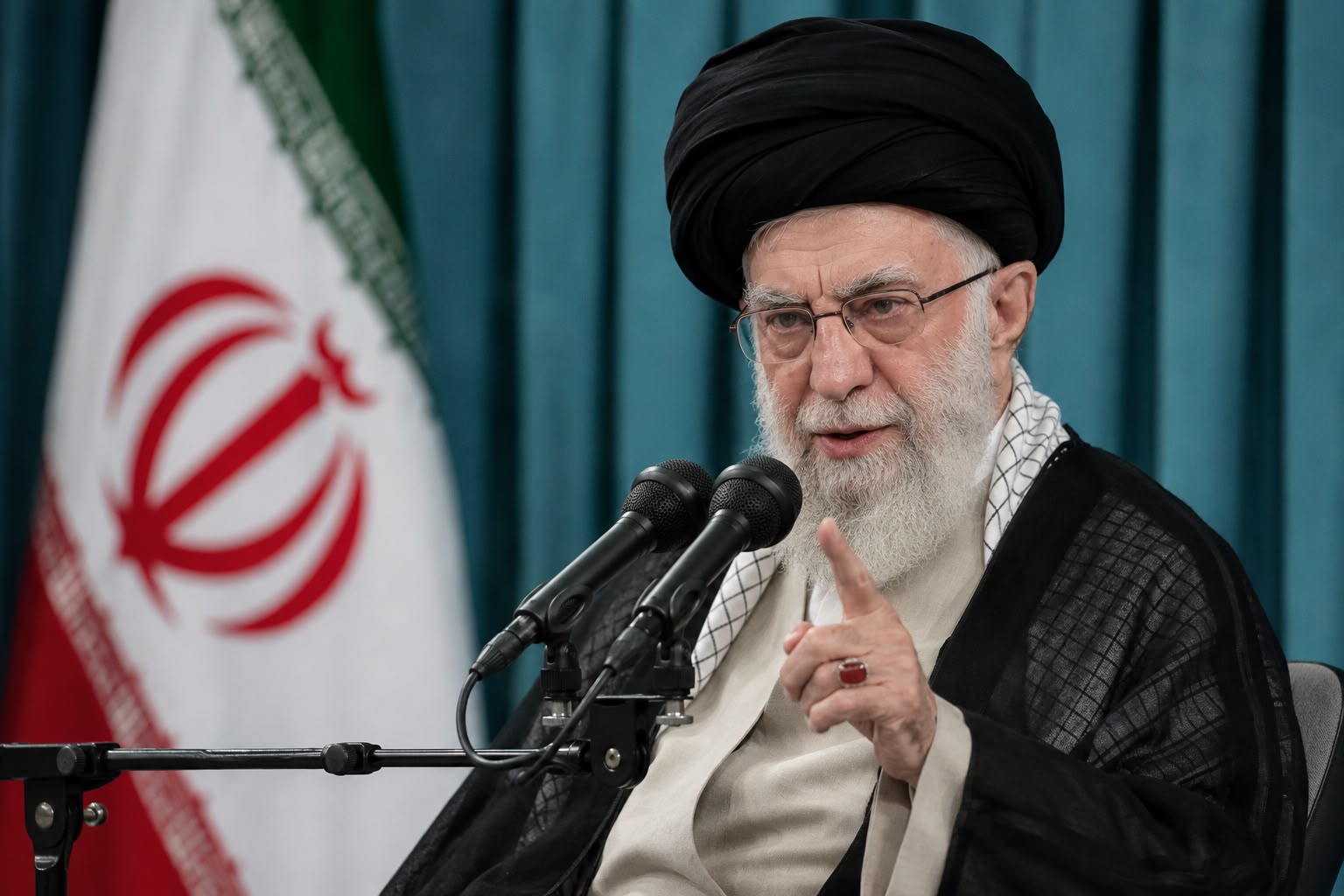
Iran’s Supreme Leader Mojtaba Khamenei has defended the recently signed memorandum of understanding between Iran and the United States, describing the agreement as a strategic success for Tehran while claiming that Washington was ultimately unable to sustain its pressure campaign against the Islamic Republic. The remarks came in his first public address since the deal was announced, offering insight into Iran’s position following months of diplomatic engagement.
In a message addressed to the Iranian nation, Khamenei revealed that he personally authorized the agreement despite holding reservations about aspects of the arrangement. According to the Supreme Leader, he approved the memorandum after receiving assurances from President Masoud Pezeshkian and senior government officials that Iran’s national interests and the objectives of the so-called “Resistance Front” would remain protected.
Khamenei stated that President Pezeshkian, acting in his role as head of Iran’s Supreme National Security Council, accepted responsibility for safeguarding the country’s strategic interests throughout negotiations. He said Iranian officials had pledged not to yield to what Tehran considers excessive demands from the United States while pursuing a diplomatic path aimed at reducing tensions and securing national priorities.
Presenting the agreement as a diplomatic achievement, Khamenei argued that Iran had maintained its core positions throughout the talks. He suggested that the United States had been unable to sustain its approach toward Iran, portraying the outcome as evidence of Tehran’s resilience under pressure. However, he provided no detailed explanation of how the agreement would affect future relations between the two countries.
The Supreme Leader also sought to clarify Iran’s broader diplomatic position, emphasizing that any future direct negotiations with Washington should not be interpreted as acceptance of U.S. policies or political positions. According to Khamenei, dialogue remains a tool of statecraft rather than a sign of ideological alignment, and Iran intends to preserve its strategic independence regardless of diplomatic engagement.
The agreement has generated significant interest among regional and international observers, many of whom view it as a potentially important development in efforts to reduce tensions between Tehran and Washington. Supporters argue that continued dialogue could help stabilize regional dynamics, lower the risk of confrontation, and create opportunities for broader diplomatic engagement.
At the same time, analysts note that deep disagreements remain between the two countries on a range of political, security, and regional issues. Some experts caution that the success of the memorandum will depend largely on implementation, mutual trust, and the willingness of both sides to honor commitments made during negotiations.
Regional governments and international stakeholders are expected to monitor developments closely as details of the agreement emerge. The deal’s long-term impact on Middle Eastern geopolitics, security arrangements, and diplomatic relations remains uncertain.
Concluding his remarks, Khamenei reiterated that Iran would continue to defend its national interests while pursuing diplomacy when it serves the country’s objectives. His speech sought to reassure domestic audiences that engagement with the United States would not alter Iran’s broader strategic and ideological outlook, even as both sides explore avenues for dialogue and cooperation.