

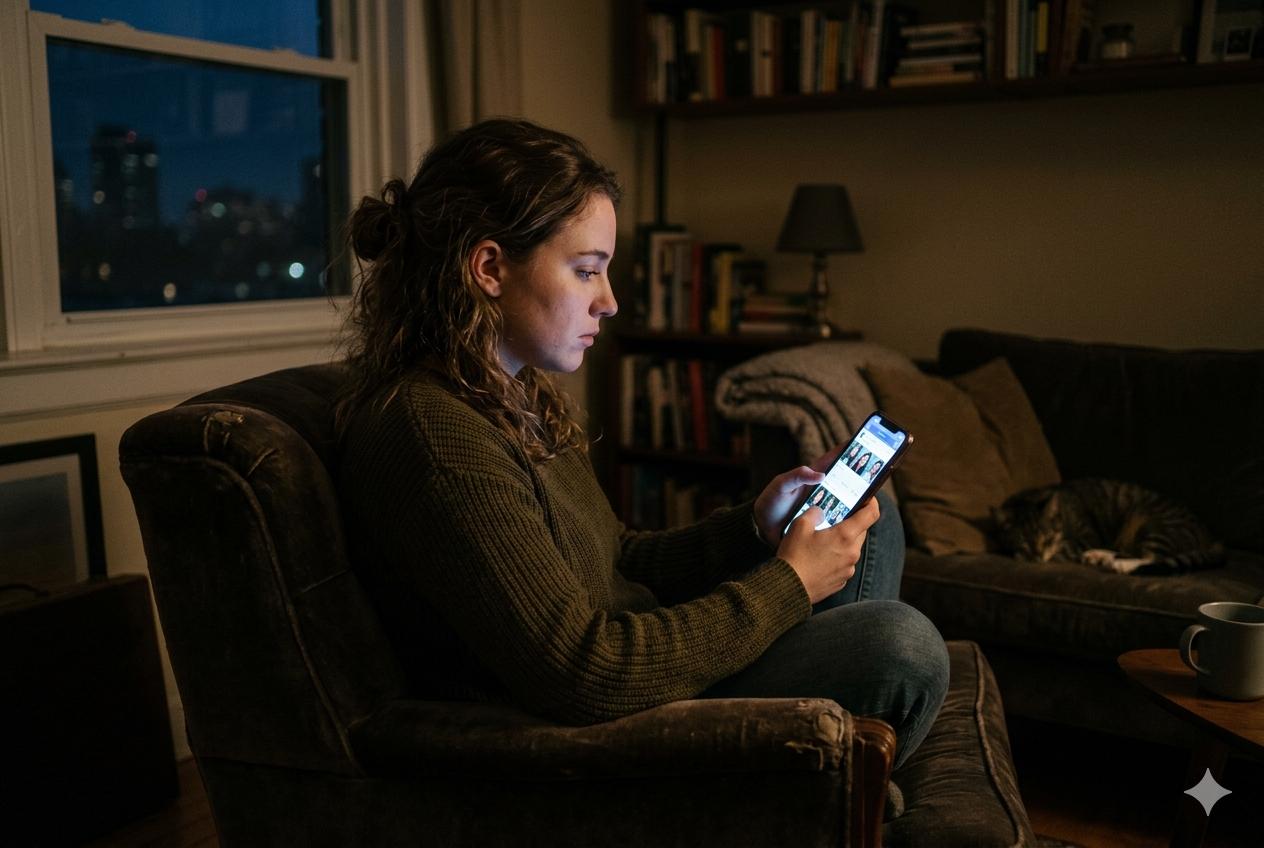
We’re more connected than ever before. Yet, for millions of people, genuine connection has never felt more out of reach.
A single scroll can expose us to hundreds of faces, countless conversations, and endless updates from around the world. We react to posts, reply to messages, and stay connected with people across different time zones. Despite this constant digital interaction, many people still experience loneliness.
This growing contradiction has become one of the defining challenges of the digital age. While social media has transformed communication, mental health experts believe that online interaction cannot always replace meaningful human relationships.
The Illusion of Constant Connection
Social media has made communication easier than ever. Friends can stay in touch regardless of distance, families can share memories instantly, and communities can form around common interests.
However, being connected is not always the same as feeling connected. Many people spend hours interacting online while having very few meaningful conversations in real life. Digital communication often lacks the emotional depth, body language, and personal presence that strengthen human relationships.
As a result, someone can have thousands of followers and still feel completely alone.
Why Social Media Can Feel Isolating
Every day, users are exposed to carefully edited photos, success stories, vacations, celebrations, and achievements. Most people naturally share their best moments rather than their struggles.
Constant exposure to these highlight reels can create unrealistic expectations. Many users begin comparing their everyday lives with someone else’s carefully curated online image. This comparison often leads to feelings of self-doubt, anxiety, and loneliness.
Experts suggest that excessive comparison can negatively affect self-esteem, particularly among teenagers and young adults who spend significant time online.
The Mental Health Impact
Mental health professionals continue to study the relationship between social media use and emotional well-being. Although social media offers support networks and educational resources, excessive screen time has also been linked to increased stress, anxiety, poor sleep, and feelings of isolation.
The pressure to remain active online adds another challenge. Many users feel the need to reply instantly, post regularly, or maintain an attractive digital presence. Over time, these expectations can become emotionally exhausting.
Finding a healthy balance between online engagement and offline experiences has become increasingly important.
Quality Over Quantity
Having hundreds or even thousands of online friends does not guarantee meaningful relationships. Strong human connections are built through trust, empathy, shared experiences, and genuine conversations.
A simple face-to-face meeting, a phone call with a loved one, or spending uninterrupted time with family often provides more emotional satisfaction than hours of scrolling through social media.
Experts encourage people to focus on the quality of relationships rather than the number of followers or online interactions they receive.
Building Healthier Digital Habits
Social media itself is not the problem. The way people use it often determines whether it improves or harms their well-being.
Setting screen-time limits, taking regular breaks from digital platforms, avoiding unnecessary comparisons, and engaging with positive online communities can improve the overall experience. Spending time on hobbies, exercising, reading, or meeting friends in person also helps create a healthier balance between digital and real life.
Using technology intentionally instead of mindlessly scrolling allows people to enjoy its benefits without becoming emotionally dependent on it.
Technology Should Bring People Together
Technology has transformed education, business, entertainment, and communication in remarkable ways. It allows families separated by continents to stay connected and gives individuals opportunities to learn, create, and collaborate with people across the world.
The challenge is not to disconnect from technology but to ensure that technology strengthens real relationships instead of replacing them. Social media should serve as a bridge that brings people together, not a barrier that leaves them feeling isolated.
Looking Ahead
As digital platforms continue to evolve, people must also rethink the way they interact online. Building genuine relationships, protecting mental well-being, and maintaining balance will become just as important as staying digitally connected.
In today’s world, being online is almost unavoidable. However, true connection cannot be measured by likes, followers, or notifications. It is built through meaningful conversations, shared experiences, and authentic relationships that continue long after the screen is turned off.