

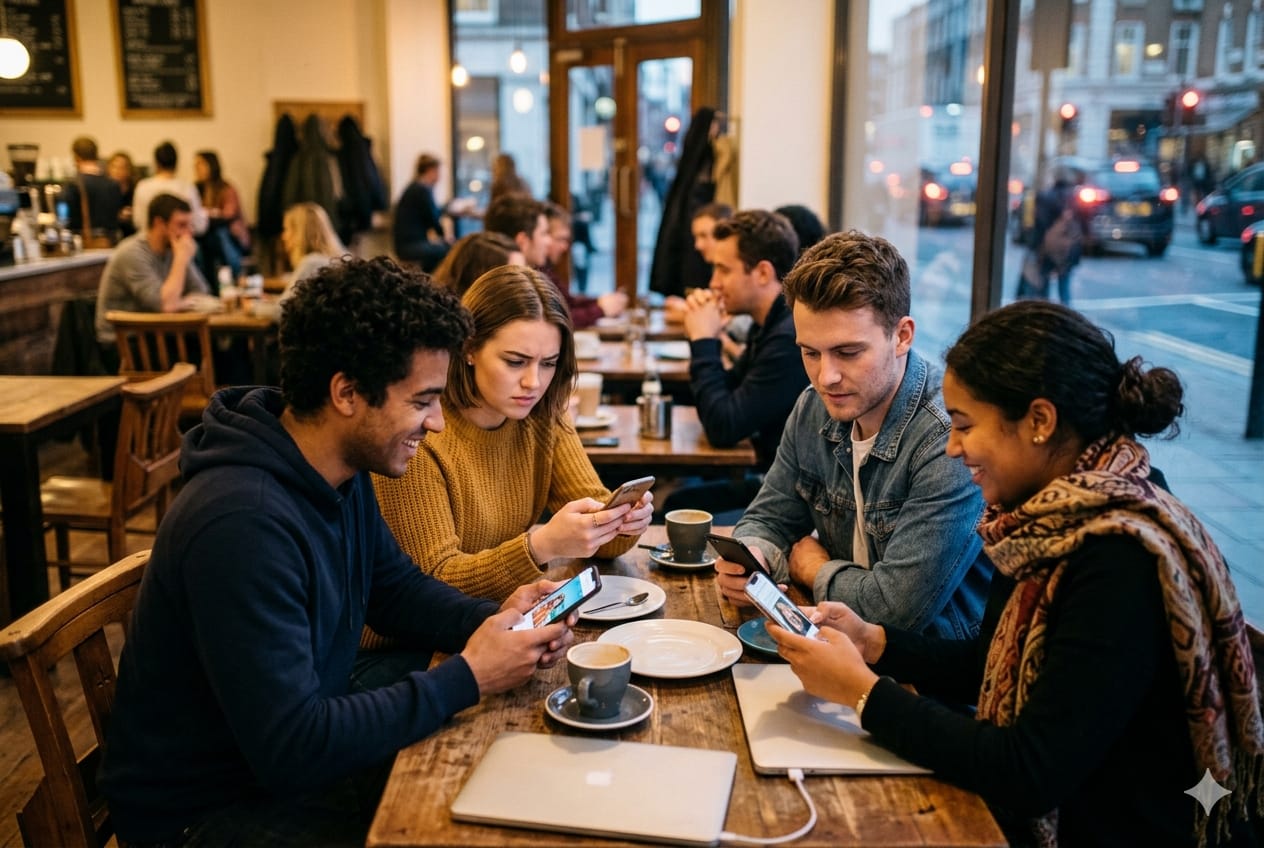
While social media has made communication easier than ever, experts say it has also increased the tendency to compare ourselves with others.
NEW DELHI, June 22: Social media has become an essential part of modern life. From sharing memories and staying in touch with friends to building careers and discovering new opportunities, platforms such as Instagram, Facebook, X, and LinkedIn have transformed the way people connect with one another.
However, as social media continues to shape daily life, an important question remains: Is it bringing people closer together, or is it encouraging unhealthy comparison?
Experts believe the answer lies somewhere in between. While social media offers countless benefits, excessive use can sometimes affect self-esteem, mental well-being, and personal satisfaction.
The Power of Staying Connected
One of the biggest advantages of social media is its ability to connect people regardless of distance. Families living in different cities or countries can communicate instantly through messages, photos, and video calls.
Students use social media to share knowledge, professionals build networks through online platforms, and businesses reach customers more effectively than ever before. During difficult times, social media has also helped people find support, raise awareness about important issues, and build communities around shared interests.
For many users, these platforms provide a sense of belonging and connection that would have been difficult to achieve in previous generations.
The Rise of Comparison Culture
Despite its benefits, social media has also created an environment where comparison has become almost unavoidable.
Every day, users scroll through carefully selected photos, achievements, vacations, fitness transformations, and career milestones. While these posts often represent only the highlights of a person’s life, they can create the impression that everyone else is constantly succeeding.
Psychologists explain that people naturally compare themselves with others. However, social media increases the frequency and intensity of these comparisons because users are exposed to hundreds of curated images and stories every day.
As a result, individuals may begin questioning their own appearance, achievements, relationships, or lifestyle.
How Social Media Affects Mental Well-Being
Mental health experts have observed that excessive comparison can contribute to feelings of inadequacy, anxiety, and low self-esteem.
Young adults and teenagers are particularly vulnerable because they are still developing their sense of identity and self-worth. Constant exposure to idealized lifestyles can make ordinary life seem less exciting or successful by comparison.
Many users also experience “fear of missing out,” commonly known as FOMO. Seeing others attend events, travel, or achieve personal goals can sometimes create feelings of exclusion or dissatisfaction.
Experts emphasize that social media itself is not necessarily harmful. Instead, the impact often depends on how individuals use these platforms and how much value they place on online validation.
The Reality Behind the Screens
One important fact often overlooked is that social media rarely shows the complete picture.
Most people choose to share their best moments rather than everyday struggles, failures, or disappointments. A perfect photograph may not reveal the challenges happening behind the scenes.
Psychologists encourage users to remember that social media represents a highlight reel rather than real life. Comparing one’s entire journey to someone else’s best moments can lead to unrealistic expectations and unnecessary pressure.
Understanding this difference can help users maintain a healthier perspective while browsing online content.
Finding a Healthy Balance
Experts recommend using social media intentionally rather than mindlessly scrolling for long periods.
Setting screen-time limits, following positive and educational content, and taking regular breaks from social media can help improve mental well-being. Users are also encouraged to focus on their personal goals instead of constantly comparing themselves with others.
Building real-world relationships, spending time with family and friends, and engaging in offline activities can create a stronger sense of fulfillment and balance.
Many mental health professionals suggest practicing gratitude as a way to reduce comparison and increase overall satisfaction with life.
Connection Should Matter More Than Comparison
As social media continues to evolve, it remains one of the most powerful tools for communication and self-expression. It has the ability to bring people together, create opportunities, and strengthen relationships across the world.
At the same time, experts warn that comparison can quietly affect confidence and happiness when users forget that social media often presents an edited version of reality.
Ultimately, the value of social media depends on how it is used. When approached with awareness and balance, it can be a powerful tool for connection. But when comparison becomes the focus, it can easily distract individuals from appreciating their own journey.
In a digital world filled with likes, followers, and endless updates, perhaps the most important reminder is that real life happens beyond the screen.