

Introduction
Stress is the response to challenges life faces, but extreme stress can affect our health both physically and mentally. Modern lifestyles, work pressures, financial instability, and responsibilities often cause stress.
But, there are many natural and effective ways to reduce stress. By adopting healthy habits and making positive lifestyle changes, individuals can improve their overall well-being.
Understanding Stress
Stress occurs when the body reacts to situations. While short-term stress can motivate individuals to perform better, excess stress may lead to health problems such as anxiety, depression, high blood pressure, and sleeping disorders.
Recognising the signs of stress is the first step toward managing it effectively.
Exercise Regularly
Physical activities are the most effective ways to relieve stress. Activities such as walking, jogging, cycling, swimming, and yoga can reduce mental pressure. Even 30 minutes of daily exercise can make a difference in the lifestyle.
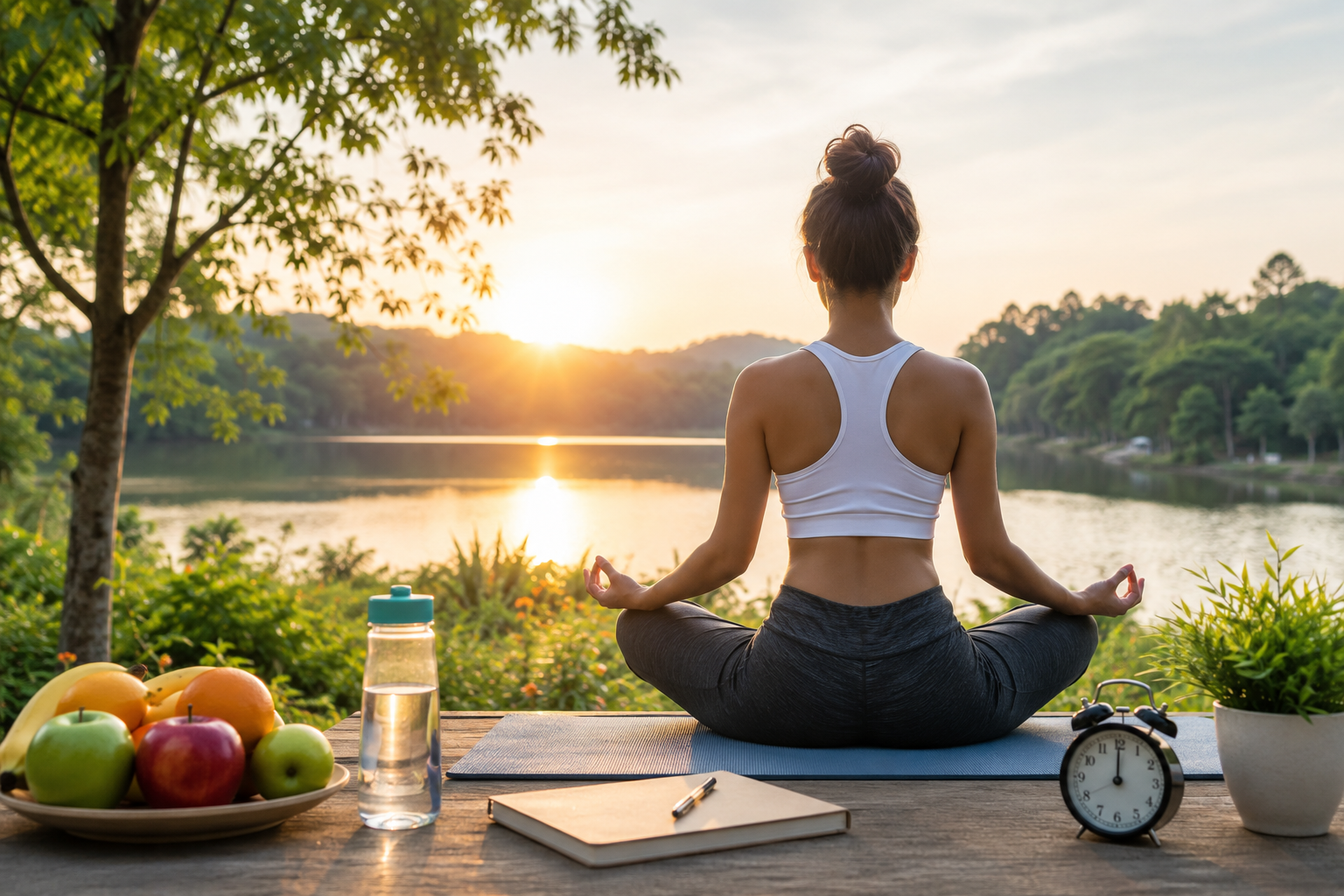
Practice Meditation and Mindfulness
Meditation helps to calm the mind and improve focus. Mindfulness helps individuals stay present and avoid worry about the past or future.
Regular meditation practice can decrease anxiety levels, improve emotional stability, and provide inner peace.
Get Quality Sleep
Sleep plays a crucial role in stress management. Lack of sleep can increase irritation, reduce concentration, and affect emotional health.
To improve sleep quality, it is important to:
- Maintain a consistent sleep schedule.
- Avoid phones before bedtime.
- Create a comfortable sleeping environment.
- Limit caffeine consumption in the evening.
Maintain a Healthy Diet
Nutrition directly affects mental health. A balanced diet provides the body with nutrients that are needed to manage stress effectively. Fruits, vegetables, grains, and proteins provide nutrients which help in maintaining energy throughout the day.
Deep Breathing Techniques
Deep breathing helps the body to relax. Simple breathing techniques can lower the heart rate, reduce tension, and provide emotional stability.
In a stressful environment, deep and slow breathing can help the individual reduce emotional stress.
Spend Time in Nature
Some people spend time in nature when they are stressed because the environment has a calming effect. Activities such as walking in parks or simply enjoying fresh air can provide mental relaxation.
Conclusion
Stress is an unavoidable part of life, but it does not have to control our well-being. Through regular exercise, healthy eating, and quality sleep, individuals can manage their stress and enjoy a calm life. Healthy habits can provide long-term improvements in mental and physical health.