


Introduction
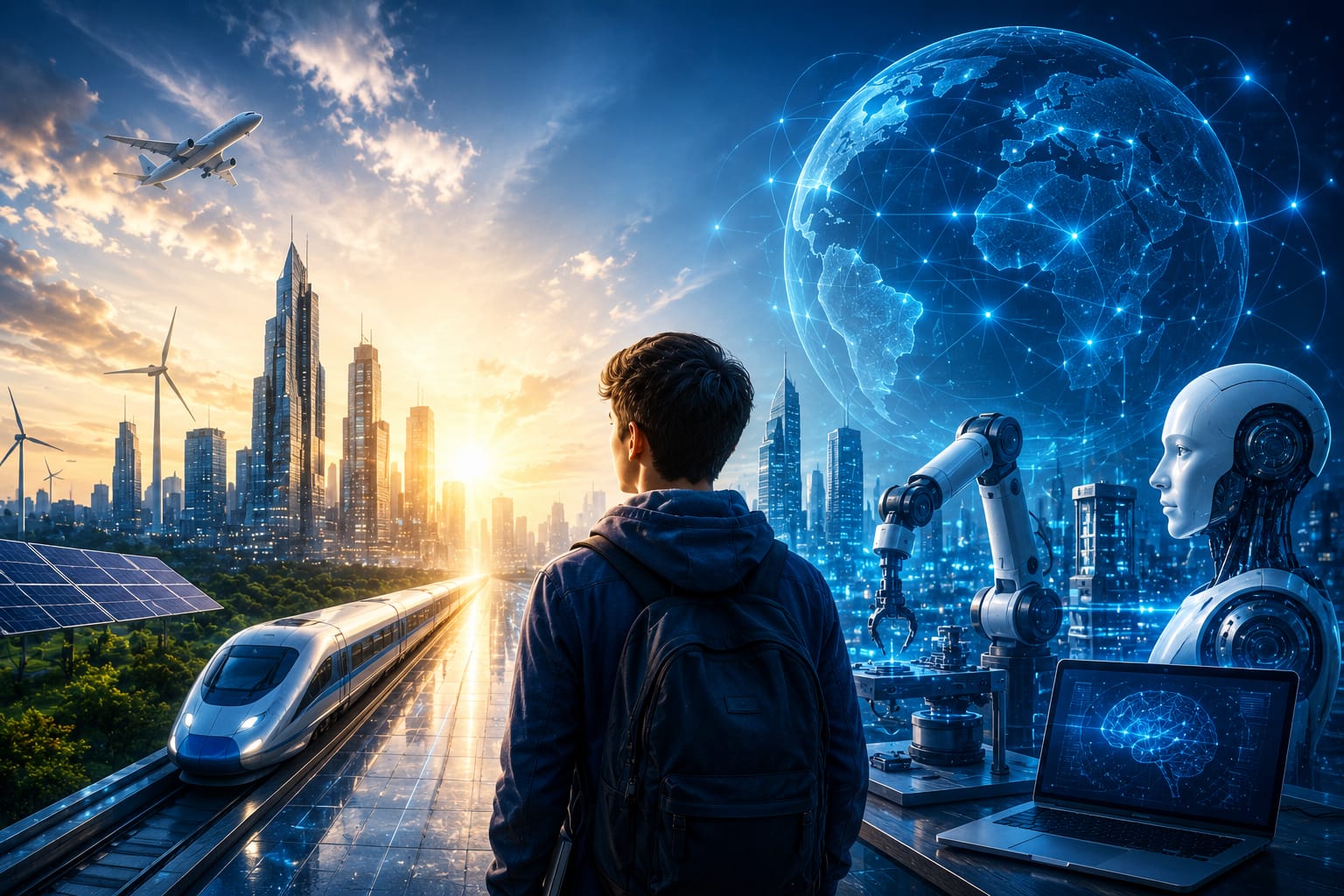
The world is changing rapidly because of technological advancements. Smartphones, computers, the internet, and artificial intelligence have become an essential part of our daily lives. Technology has made communication, education, healthcare, and business faster, easier, and more efficient. It is also transforming the way people work and shaping the future of careers. As technology continues to evolve, it brings both opportunities and challenges. Therefore, it is important to understand the relationship between careers and technology and how it will influence the future.
How Technology Affects Careers
Technology has changed the way work is done in almost every industry. Computers and digital tools enable tasks that once took hours to be completed within minutes. Businesses use software to provide services, schools conduct online classes, and hospitals rely on advanced machines for diagnosis and treatment.
At the same time, automation and artificial intelligence are replacing certain routine jobs, leading to concerns about unemployment. However, technology is not only eliminating jobs; it is also creating a wide range of new career opportunities. As industries evolve, workers must adapt to changing job requirements and embrace new technologies.
New Career Opportunities
Technological advancements have created many new career paths. Careers in software development, digital marketing, cybersecurity, data analysis, and artificial intelligence are becoming increasingly popular. The rise of social media and digital platforms has also opened opportunities for content creators, online educators, freelancers, and influencers.
Today, many people earn a living by working remotely and offering digital services. These careers provide flexibility, allow individuals to use cutting-edge technology, and enable collaboration with people from around the world.
The Importance of Learning New Skills
In today’s competitive world, learning new skills is essential. Job requirements are changing rapidly, and continuous learning has become necessary for career growth. Technical skills such as computer literacy, coding, and digital proficiency are highly valuable.
However, soft skills like communication, creativity, teamwork, critical thinking, and problem-solving remain equally important. While technology can perform many tasks efficiently, it cannot fully replace human creativity, emotions, and decision-making abilities. Therefore, individuals who combine technical expertise with strong interpersonal skills will have better career prospects in the future.
The Role of Artificial Intelligence
Artificial Intelligence (AI) is one of the most influential technologies of our time. AI is being used across various sectors, including healthcare, education, finance, and business. It helps improve efficiency, automate repetitive tasks, and support decision-making processes.
Although some people fear that AI will replace jobs, it is also creating new employment opportunities. There is growing demand for AI specialists, machine learning engineers, data scientists, and technology consultants. Rather than replacing humans entirely, AI is expected to work alongside people and enhance productivity in many workplaces.
Challenges and Preparing for the Future
The future workplace will continue to evolve as new technologies emerge. Workers will need to adapt to changing environments and regularly upgrade their skills to remain relevant. Students and professionals should adopt a mindset of lifelong learning and stay informed about technological developments.
In addition to technical knowledge, individuals should develop confidence, adaptability, leadership qualities, and a willingness to embrace change. By preparing for future challenges, young people can take advantage of technological advancements and build successful careers.
Conclusion
In conclusion, technology is reshaping the future of careers in numerous ways. While some traditional jobs may change or disappear, many exciting new opportunities are emerging. Success in the future will depend on an individual’s willingness to learn, adapt, and develop new skills. Rather than fearing technology, people should embrace it as a tool for growth, innovation, and progress. With the right skills and mindset, individuals can build successful careers and contribute to a better future for society