

Introduction
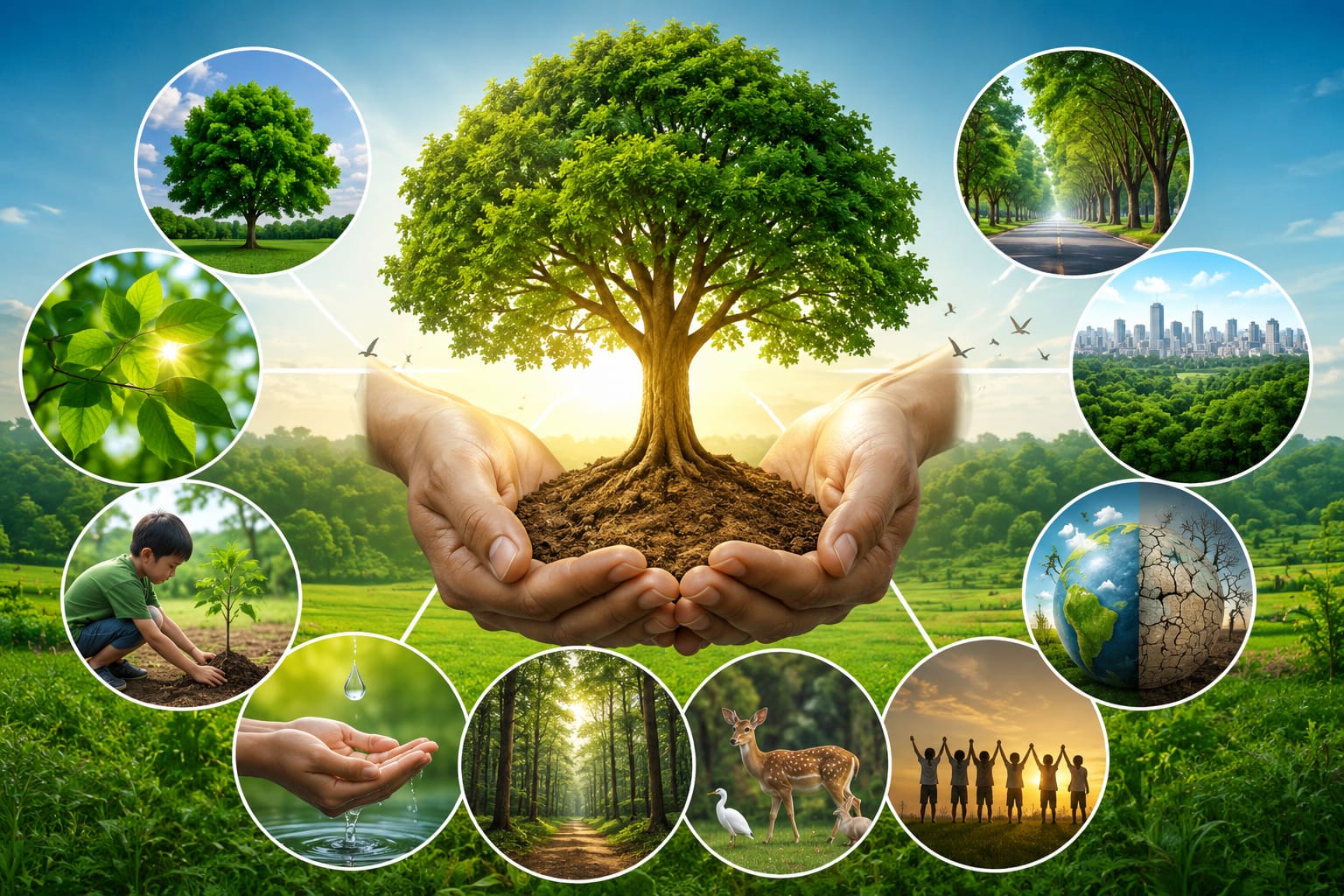
Trees are among the most valuable natural resources on Earth. They play a crucial role in maintaining ecological balance, supporting life, and ensuring environmental sustainability. From providing oxygen and shelter to regulating climate and supporting biodiversity, trees contribute significantly to the well-being of both humans and wildlife. Despite their importance, rapid deforestation and urban expansion continue to reduce tree cover across the globe. Understanding the importance of trees can encourage individuals and communities to take active steps toward their conservation and protection.
The Lungs of the Earth
Trees are often called the “lungs of the Earth” because of their ability to absorb carbon dioxide and release oxygen through the process of photosynthesis. During photosynthesis, trees take in carbon dioxide from the atmosphere and use sunlight to produce food, releasing oxygen as a byproduct. This oxygen is essential for the survival of humans, animals, and many other living organisms.
In addition to producing oxygen, trees help reduce the concentration of greenhouse gases in the atmosphere. Carbon dioxide is one of the primary contributors to global warming and climate change. By absorbing and storing carbon, trees act as natural carbon sinks that help regulate the Earth’s temperature. Large forests around the world play a critical role in slowing climate change and maintaining a stable environment for future generations.
Environmental and Ecological Balance
Trees contribute greatly to maintaining environmental and ecological balance. Their presence helps protect soil, regulate water resources, and support countless forms of life.
Soil Conservation:
The roots of trees hold soil firmly in place, preventing erosion caused by wind and water. Without trees, fertile topsoil can be washed away during heavy rains, reducing agricultural productivity and increasing the risk of landslides. Tree roots also improve soil structure, allowing it to retain nutrients and moisture more effectively.
Water Regulation:
Trees are essential components of the water cycle. Their leaves and branches intercept rainfall, reducing the speed at which water reaches the ground. This helps minimize flooding and soil erosion. Tree roots absorb water and allow it to seep into the ground, replenishing underground water reserves and maintaining groundwater levels. Forested watersheds also help provide clean and reliable water supplies for communities.
Biodiversity Support:
Trees provide habitats, food, and shelter for a wide range of organisms, including birds, insects, mammals, reptiles, and microorganisms. Forest ecosystems support some of the richest biodiversity on Earth. Even a single tree can serve as a home to numerous species. By supporting wildlife, trees help maintain healthy food chains and ecological balance.
Health and Well-being
Trees have a direct and positive impact on human health. In cities and urban areas, they act as natural air filters by trapping dust, smoke, and harmful pollutants. Cleaner air reduces the risk of respiratory diseases and improves overall public health.
Trees also provide shade and cooling effects. During hot weather, areas with abundant tree cover can be significantly cooler than areas without trees. This helps reduce the urban heat island effect, where cities become much hotter than surrounding rural areas due to concrete structures and human activities.
Beyond physical health, trees contribute to mental and emotional well-being. Research has shown that spending time in green spaces can reduce stress, anxiety, and depression. Parks, gardens, and tree-lined streets create peaceful environments that promote relaxation and improve quality of life. Trees also encourage outdoor activities such as walking, jogging, and recreation, which further support healthy lifestyles.
Economic Importance
Trees and forests are important economic assets. They provide a variety of raw materials that support industries and livelihoods worldwide.
Timber obtained from trees is used in construction, furniture manufacturing, paper production, and many other industries. Forests also produce valuable non-timber products such as fruits, nuts, resins, oils, rubber, and medicinal plants. These resources contribute significantly to local and national economies.
Agriculture also benefits from trees. Fruit-bearing trees provide nutritious food and income for farmers. Agroforestry systems, which combine trees with crops and livestock, improve productivity and environmental sustainability.
Tourism is another sector that benefits from trees and forests. National parks, nature reserves, and scenic forest areas attract millions of visitors every year. This generates employment opportunities and supports local businesses. Additionally, properties located near green spaces often have higher market values, making trees an important factor in urban development.
Trees and Climate Change
One of the greatest challenges facing humanity today is climate change, and trees are among the most effective natural solutions. They absorb carbon dioxide, lower temperatures, and improve resilience against extreme weather events. Reforestation and afforestation projects are increasingly recognized as important strategies for reducing carbon emissions and restoring degraded ecosystems.
Planting trees also helps combat desertification, improve rainfall patterns, and restore habitats that have been damaged by human activities. Every tree planted contributes to a healthier and more sustainable environment.
Conclusion
Trees are indispensable for life on Earth. They provide oxygen, regulate climate, conserve soil and water, support biodiversity, improve human health, and contribute to economic growth. Their benefits extend far beyond what is immediately visible, making them one of nature’s greatest gifts. However, deforestation, pollution, and urbanization continue to threaten tree populations worldwide. It is our collective responsibility to protect existing forests, reduce unnecessary tree cutting, and participate in tree-planting initiatives. By valuing and preserving trees today, we can ensure a healthier, greener, and more sustainable future for generations to come.