


Introduction
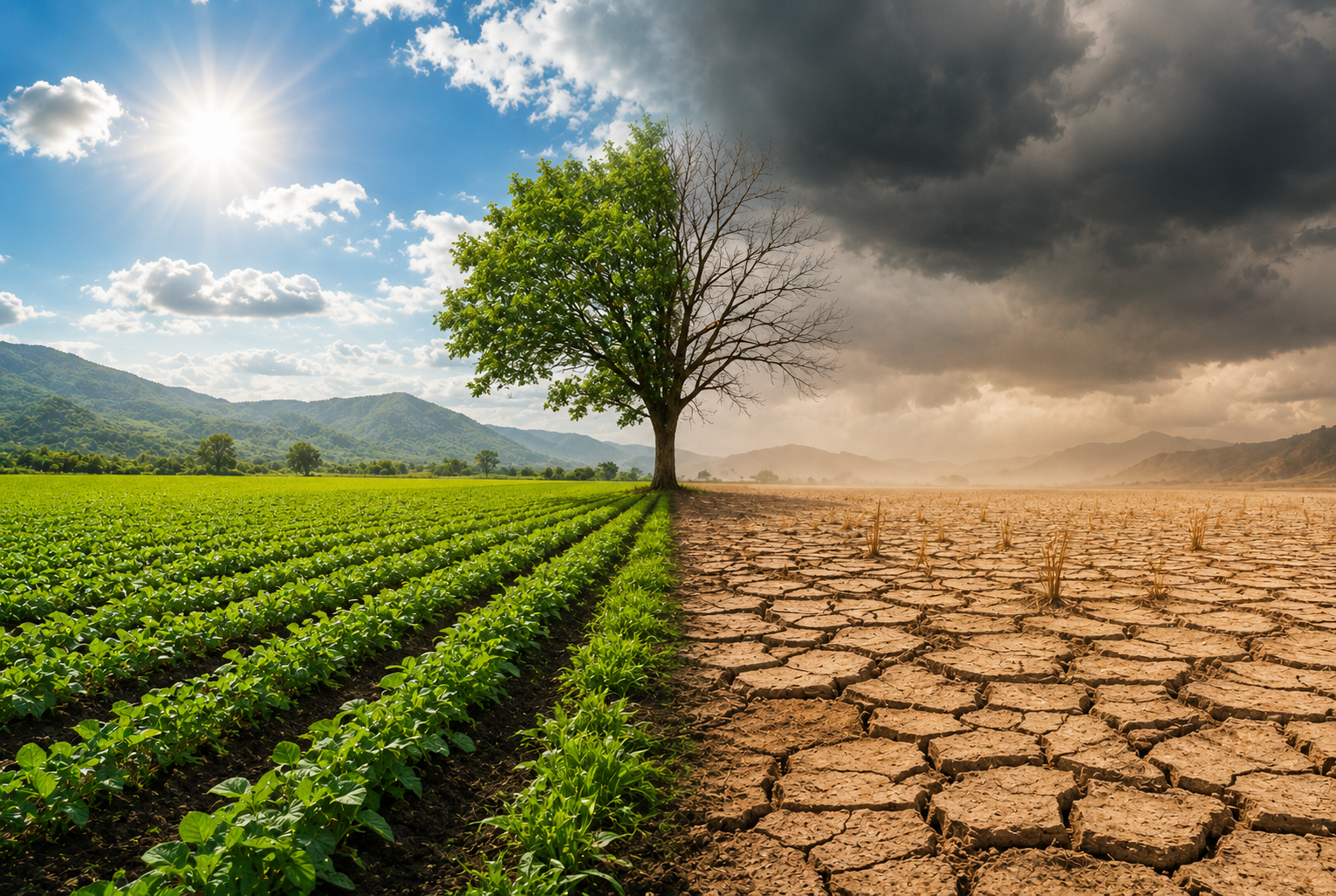
Climate change is one of the most significant challenges facing humanity in the 21st century. Rising global temperatures, changing weather patterns, and increasing occurrences of extreme weather events are affecting ecosystems, economies, and communities worldwide. Among the sectors most vulnerable to climate change is agriculture. Since farming depends heavily on weather conditions, even small shifts in temperature and rainfall can have major consequences for crop production and food security. Understanding how climate change affects global agriculture is essential for developing sustainable solutions that can protect food supplies and support farmers in the years ahead.
Rising Temperatures and Crop Productivity
One of the most noticeable effects of climate change is the increase in global temperatures. While some crops may benefit from slightly warmer conditions in cooler regions, excessive heat generally reduces agricultural productivity.
High temperatures can shorten growing seasons, disrupt plant development, and decrease crop yields. Crops such as wheat, rice, and maize are particularly sensitive to extreme heat during critical growth stages. Heat stress can reduce pollination success, resulting in fewer grains and lower harvests. In many regions, farmers are already experiencing reduced productivity due to prolonged periods of unusually high temperatures.
Changes in Rainfall Patterns
Climate change is altering rainfall patterns around the world. Some areas are experiencing more intense rainfall and flooding, while others face prolonged droughts and water shortages. These changes create significant challenges for agricultural production.
Insufficient rainfall can reduce soil moisture and limit crop growth, leading to lower yields and crop failures. On the other hand, excessive rainfall can cause waterlogging, soil erosion, and nutrient loss. Unpredictable precipitation patterns make it difficult for farmers to plan planting and harvesting schedules effectively.
Increased Frequency of Extreme Weather Events
Extreme weather events such as hurricanes, floods, droughts, heatwaves, and storms are becoming more frequent and severe due to climate change. These events can cause devastating damage to agricultural systems.
Floods may destroy crops, livestock, and farming infrastructure within a matter of hours. Droughts can lead to severe water shortages, making irrigation difficult or impossible. Strong storms can damage fields, greenhouses, storage facilities, and transportation networks. As extreme weather becomes more common, agricultural production becomes increasingly vulnerable to sudden disruptions.
Impact on Soil Health
Healthy soil is essential for successful farming, but climate change poses several threats to soil quality. Higher temperatures and irregular rainfall can accelerate soil degradation and reduce fertility.
Heavy rainfall can wash away nutrient-rich topsoil through erosion, while prolonged droughts may lead to soil compaction and reduced organic matter. Increased temperatures can also affect soil microorganisms that play important roles in nutrient cycling. Declining soil health reduces agricultural productivity and makes it more difficult for farmers to maintain sustainable crop yields.
Water Scarcity and Irrigation Challenges
Water is one of agriculture’s most important resources. Climate change is contributing to growing water scarcity in many parts of the world, particularly in regions that already experience limited water supplies.
Reduced rainfall, shrinking glaciers, and declining groundwater reserves can make irrigation more challenging. Farmers may face increased competition for water from urban populations and industrial sectors. As water becomes less available, agricultural production costs may rise, and crop yields may decline, threatening food security in vulnerable regions.
Effects on Livestock Production
Climate change affects not only crops but also livestock farming. Rising temperatures can cause heat stress in animals, reducing growth rates, milk production, reproductive performance, and overall health.
Livestock may require additional water and feed during hot weather, increasing production costs for farmers. Climate-related changes can also affect the availability and quality of grazing land. Furthermore, warmer conditions may contribute to the spread of diseases and parasites that affect livestock populations.
Increased Pest and Disease Outbreaks
Warmer temperatures and changing weather conditions create favorable environments for many agricultural pests and diseases. Insects, fungi, bacteria, and plant viruses can expand into new regions where they were previously unable to survive.
As pest populations grow and spread, farmers may experience greater crop losses and increased costs associated with pest control measures. Climate change can also influence the emergence of new plant diseases, creating additional challenges for food production systems worldwide.
Threats to Global Food Security
Agriculture plays a crucial role in feeding the world’s growing population. Climate change threatens food security by reducing crop yields, disrupting food supply chains, and increasing food prices.
Developing countries are particularly vulnerable because many communities depend directly on agriculture for their livelihoods and food supply. Reduced agricultural productivity can contribute to hunger, malnutrition, and economic instability. Ensuring long-term food security requires effective adaptation strategies and sustainable farming practices.
Adaptation and Sustainable Solutions
Despite these challenges, farmers and governments are implementing various strategies to adapt to climate change. Sustainable agricultural practices can help improve resilience and reduce environmental impacts.
Examples include:
- Using drought-resistant crop varieties
- Improving irrigation efficiency
- Practicing crop rotation and soil conservation
- Implementing precision agriculture technologies
- Planting cover crops to protect soil health
- Expanding agroforestry systems
Investing in agricultural research, climate forecasting, and sustainable farming techniques can help farmers better manage climate-related risks and maintain productivity.
Conclusion
Climate change is having profound effects on global agriculture, influencing crop yields, water availability, soil health, livestock production, and food security. Rising temperatures, changing rainfall patterns, extreme weather events, and increased pest outbreaks present significant challenges for farmers worldwide. However, through innovation, sustainable farming practices, and effective adaptation strategies, agriculture can become more resilient to future climate impacts. Addressing climate change is essential not only for protecting agricultural productivity but also for ensuring a stable and secure food supply for future generations.