

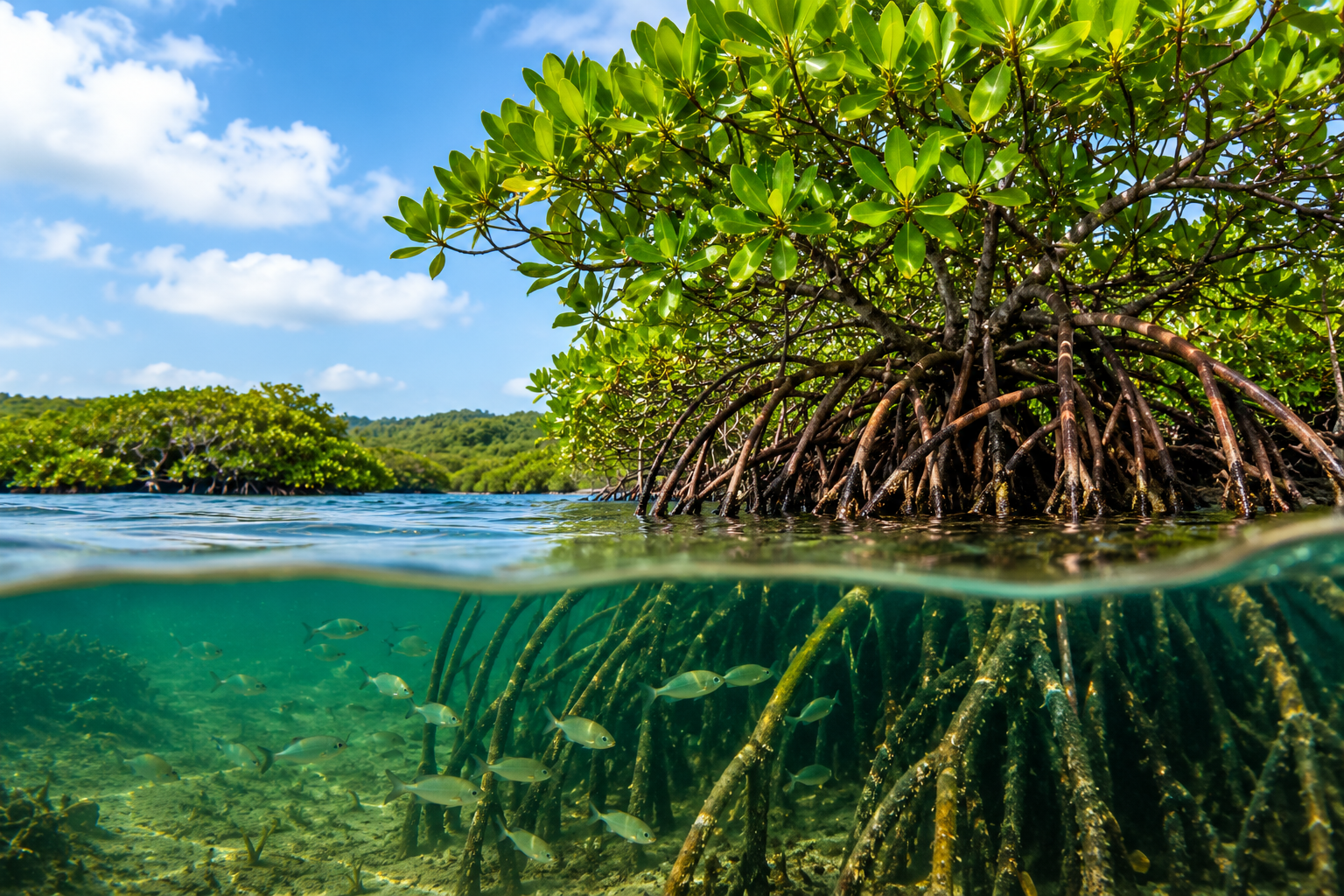
Understanding the International Day for the Conservation of the Mangrove Ecosystem
The International Day for the Conservation of the Mangrove Ecosystem is observed every year on 26 July to raise awareness about the importance of mangrove forests and the urgent need to protect them. Mangroves are unique coastal ecosystems that thrive where land meets the sea. These remarkable forests support biodiversity, protect shorelines, and help communities adapt to climate change. The day encourages governments, environmental organizations, and individuals to work together to conserve and restore mangrove habitats for future generations.
Why Mangrove Ecosystems Are Important
Mangroves are among the most productive ecosystems on Earth. Their complex root systems provide shelter and breeding grounds for countless species of fish, birds, crustaceans, and other marine life. As a result, they play a vital role in maintaining healthy coastal ecosystems.
Moreover, mangrove forests act as natural barriers against storms, cyclones, and coastal erosion. They absorb the force of waves, reducing damage to nearby communities. In addition, mangroves capture and store large amounts of carbon, making them powerful allies in the fight against climate change.
History of the Observance
The United Nations Educational, Scientific and Cultural Organization (UNESCO) proclaimed 26 July as the International Day for the Conservation of the Mangrove Ecosystem in 2015. The date commemorates the anniversary of the passing of environmental activist Hayhow Daniel Nanoto, who dedicated his efforts to mangrove conservation.
Since then, the observance has inspired countries around the world to strengthen conservation initiatives, restore degraded mangrove forests, and educate people about their ecological significance.
Threats Facing Mangrove Forests
Despite their importance, mangrove ecosystems continue to face several serious threats. These include:
- Coastal development and urban expansion.
- Deforestation and land reclamation.
- Pollution from plastics and industrial waste.
- Unsustainable aquaculture and agriculture.
- Rising sea levels and climate change.
- Illegal logging and overexploitation of natural resources.
These challenges have led to significant losses of mangrove forests worldwide, affecting both wildlife and coastal communities.
How We Can Help Protect Mangroves
Everyone can contribute to mangrove conservation through simple yet meaningful actions:
- Participate in mangrove plantation and restoration drives.
- Reduce plastic pollution and dispose of waste responsibly.
- Support organizations working to protect coastal ecosystems.
- Promote sustainable tourism and fishing practices.
- Spread awareness about the value of mangrove forests.
- Encourage policies that safeguard wetlands and coastal habitats.
Collective efforts can make a lasting difference in preserving these essential ecosystems.
How the Day Is Observed
Communities, schools, universities, environmental groups, and government agencies celebrate the day through various activities, including:
- Mangrove tree plantation campaigns.
- Beach and coastal clean-up drives.
- Educational seminars and awareness workshops.
- Nature walks and guided eco-tours.
- Photography and art competitions.
- Social media campaigns promoting mangrove conservation.
These events inspire people to appreciate the ecological and economic value of mangrove forests.
Conclusion
The International Day for the Conservation of the Mangrove Ecosystem 2026 reminds us that healthy coastlines depend on healthy mangrove forests. These unique ecosystems protect biodiversity, strengthen climate resilience, and support millions of livelihoods worldwide. By conserving existing mangroves and restoring damaged habitats, we can safeguard coastal communities and create a more sustainable future. On 26 July 2026, let us celebrate these extraordinary natural protectors and commit to preserving them for generations to come.
Read More: Looking for more important observances, festivals, and awareness days in July? Explore our comprehensive July Content Calendar: Festivals, Vrats, and Important International Days to stay updated with key national and international events, religious festivals, fasting days, and awareness campaigns celebrated throughout the month. It is a helpful guide for content creators, businesses, students, and anyone planning timely posts and activities.