

Introduction
Every day, the choices we make—whether it’s how we travel, what we eat, or how we use electricity—have an impact on the environment. While one person’s actions may seem small, millions of people making sustainable choices can create meaningful change. Reducing your carbon footprint isn’t about living a perfect eco-friendly life. Instead, it’s about making simple, practical changes that add up over time.
A carbon footprint refers to the amount of greenhouse gases released into the atmosphere as a result of our daily activities. These emissions contribute to climate change, making it more important than ever to adopt habits that protect our planet. The good news is that many environmentally friendly choices also save money, improve health, and create a better quality of life.
Understand Your Carbon Footprint
The first step toward reducing your environmental impact is understanding where your carbon emissions come from. Transportation, home energy use, food choices, shopping habits, and waste are among the biggest contributors. Once you identify these areas, you can make informed decisions that gradually reduce your overall footprint.
Choose Sustainable Transportation
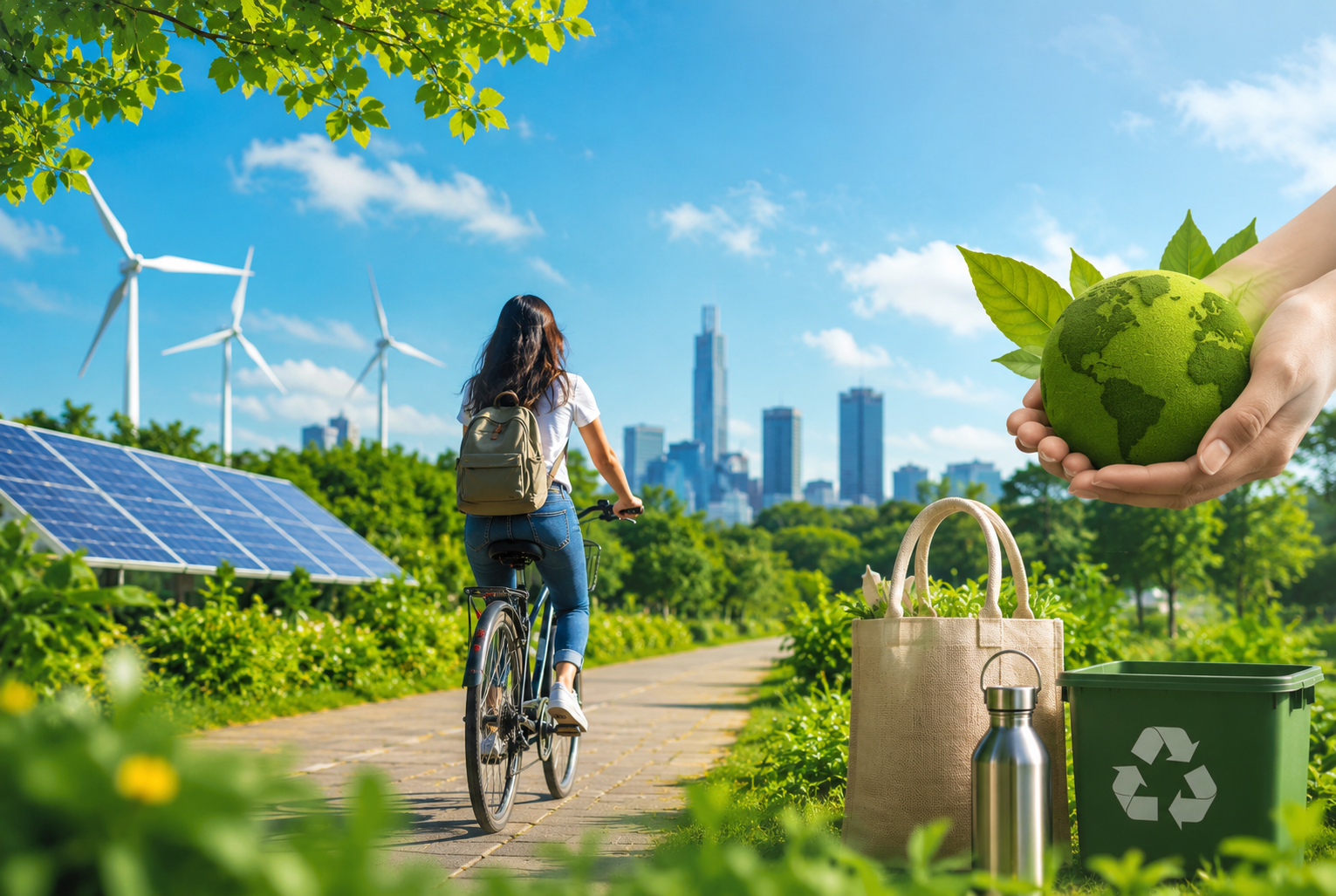
Transportation is one of the largest sources of carbon emissions worldwide. Walking, cycling, carpooling, or using public transportation whenever possible can significantly reduce emissions. If you drive regularly, consider switching to a fuel-efficient or electric vehicle when it’s practical for your budget and lifestyle.
Even combining errands into a single trip can reduce fuel consumption and lower emissions.
Save Energy at Home
Simple energy-saving habits can make a noticeable difference. Turn off lights when leaving a room, unplug devices that aren’t in use, and choose energy-efficient appliances. Replacing traditional bulbs with LED lighting and using programmable thermostats can also reduce electricity consumption.
Making your home more energy efficient not only helps the environment but can also lower your monthly utility bills.
Reduce, Reuse, and Recycle
One of the easiest ways to reduce waste is by following the three Rs: Reduce, Reuse, and Recycle.
Choose reusable shopping bags, water bottles, and food containers instead of disposable products. Before throwing something away, think about whether it can be repaired, reused, or recycled.
Reducing waste also decreases the amount of material sent to landfills, where it can produce harmful greenhouse gases.
Make Environmentally Friendly Food Choices
Food production has a significant impact on carbon emissions. Eating more plant-based meals, reducing food waste, and buying locally produced foods can lower your environmental impact.
Planning meals carefully and storing food properly can also help prevent unnecessary waste while saving money.
Conserve Water
Water treatment and distribution require energy. Using water wisely helps conserve both water and electricity.
Simple actions include:
- Fixing leaking taps
- Taking shorter showers
- Running washing machines with full loads
- Installing water-efficient fixtures
These habits benefit both the environment and household expenses.
Shop More Mindfully
Before making a purchase, consider whether you truly need the item. Buying durable, high-quality products often reduces waste over time.
Supporting businesses that prioritize sustainability and environmentally responsible practices can also encourage positive change across industries.
Plant Trees and Support Green Spaces
Trees naturally absorb carbon dioxide and improve air quality. Planting trees, maintaining gardens, or supporting local environmental initiatives contributes to healthier communities and ecosystems.
Even small green spaces can make neighborhoods more pleasant while benefiting the environment.
Educate and Inspire Others
Positive environmental change grows when people work together. Share sustainable habits with family, friends, and colleagues. Encouraging others to make small changes can create a ripple effect that leads to greater collective impact.
Leading by example is often one of the most effective ways to inspire change.
Conclusion
Reducing your carbon footprint doesn’t require dramatic lifestyle changes. It’s about making thoughtful decisions every day that benefit both the environment and future generations. Small actions—such as saving energy, reducing waste, choosing sustainable transportation, and consuming responsibly—can have a lasting impact when practiced consistently.
No single person can solve climate change alone, but together, our everyday choices matter. By adopting sustainable habits and encouraging others to do the same, we can help create a cleaner, healthier, and more resilient world for everyone.
Introduction
Every day, the choices we make—whether it’s how we travel, what we eat, or how we use electricity—have an impact on the environment. While one person’s actions may seem small, millions of people making sustainable choices can create meaningful change. Reducing your carbon footprint isn’t about living a perfect eco-friendly life. Instead, it’s about making simple, practical changes that add up over time.
A carbon footprint refers to the amount of greenhouse gases released into the atmosphere as a result of our daily activities. These emissions contribute to climate change, making it more important than ever to adopt habits that protect our planet. The good news is that many environmentally friendly choices also save money, improve health, and create a better quality of life.
Understand Your Carbon Footprint
The first step toward reducing your environmental impact is understanding where your carbon emissions come from. Transportation, home energy use, food choices, shopping habits, and waste are among the biggest contributors. Once you identify these areas, you can make informed decisions that gradually reduce your overall footprint.
Choose Sustainable Transportation
Transportation is one of the largest sources of carbon emissions worldwide. Walking, cycling, carpooling, or using public transportation whenever possible can significantly reduce emissions. If you drive regularly, consider switching to a fuel-efficient or electric vehicle when it’s practical for your budget and lifestyle.
Even combining errands into a single trip can reduce fuel consumption and lower emissions.
Save Energy at Home
Simple energy-saving habits can make a noticeable difference. Turn off lights when leaving a room, unplug devices that aren’t in use, and choose energy-efficient appliances. Replacing traditional bulbs with LED lighting and using programmable thermostats can also reduce electricity consumption.
Making your home more energy efficient not only helps the environment but can also lower your monthly utility bills.
Reduce, Reuse, and Recycle
One of the easiest ways to reduce waste is by following the three Rs: Reduce, Reuse, and Recycle.
Choose reusable shopping bags, water bottles, and food containers instead of disposable products. Before throwing something away, think about whether it can be repaired, reused, or recycled.
Reducing waste also decreases the amount of material sent to landfills, where it can produce harmful greenhouse gases.
Make Environmentally Friendly Food Choices
Food production has a significant impact on carbon emissions. Eating more plant-based meals, reducing food waste, and buying locally produced foods can lower your environmental impact.
Planning meals carefully and storing food properly can also help prevent unnecessary waste while saving money.
Conserve Water
Water treatment and distribution require energy. Using water wisely helps conserve both water and electricity.
Simple actions include:
- Fixing leaking taps
- Taking shorter showers
- Running washing machines with full loads
- Installing water-efficient fixtures
These habits benefit both the environment and household expenses.
Shop More Mindfully
Before making a purchase, consider whether you truly need the item. Buying durable, high-quality products often reduces waste over time.
Supporting businesses that prioritize sustainability and environmentally responsible practices can also encourage positive change across industries.
Plant Trees and Support Green Spaces
Trees naturally absorb carbon dioxide and improve air quality. Planting trees, maintaining gardens, or supporting local environmental initiatives contributes to healthier communities and ecosystems.
Even small green spaces can make neighborhoods more pleasant while benefiting the environment.
Educate and Inspire Others
Positive environmental change grows when people work together. Share sustainable habits with family, friends, and colleagues. Encouraging others to make small changes can create a ripple effect that leads to greater collective impact.
Leading by example is often one of the most effective ways to inspire change.
Conclusion
Reducing your carbon footprint doesn’t require dramatic lifestyle changes. It’s about making thoughtful decisions every day that benefit both the environment and future generations. Small actions—such as saving energy, reducing waste, choosing sustainable transportation, and consuming responsibly—can have a lasting impact when practiced consistently.
No single person can solve climate change alone, but together, our everyday choices matter. By adopting sustainable habits and encouraging others to do the same, we can help create a cleaner, healthier, and more resilient world for everyone.