

Introduction
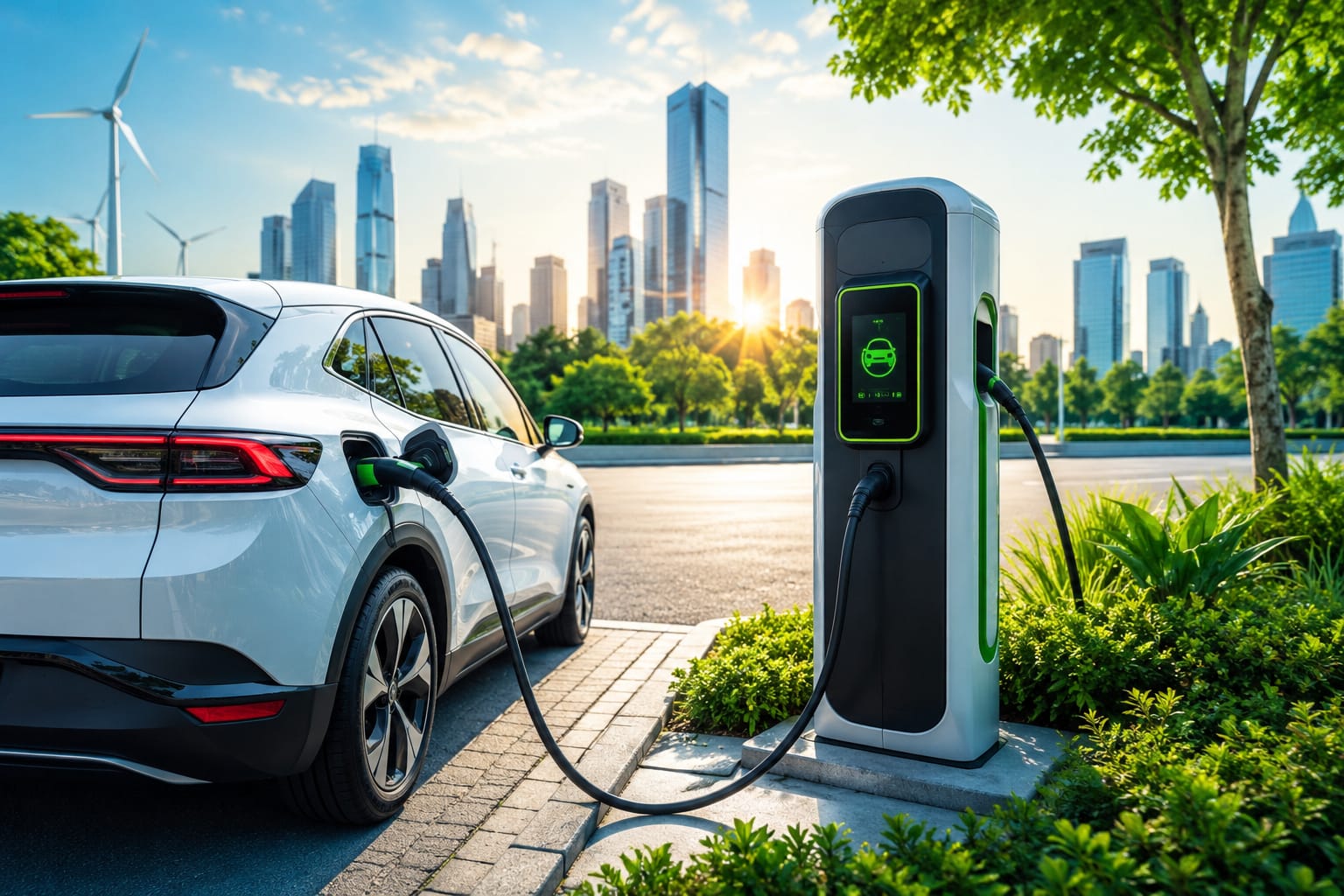
Electric vehicles (EVs) are becoming one of the biggest trends in the automotive industry. As concerns about climate change, rising fuel prices, and air pollution continue to grow, more people are choosing electric cars as a cleaner and more cost-effective alternative to traditional petrol and diesel vehicles. Governments, automobile manufacturers, and consumers are all contributing to the rapid growth of the electric vehicle market. With improved technology, better charging infrastructure, and longer driving ranges, EVs are becoming a practical choice for everyday transportation.
What Are Electric Vehicles?
Electric vehicles are cars, buses, and other vehicles powered by electric motors instead of internal combustion engines. They use rechargeable batteries to store electricity, eliminating the need for petrol or diesel. Some electric vehicles run entirely on electricity, while plug-in hybrid models combine electric power with a fuel engine for greater flexibility.
Why Electric Vehicles Are Gaining Popularity
One of the biggest reasons for the increasing popularity of EVs is environmental awareness. Unlike conventional vehicles, electric vehicles produce no tailpipe emissions, helping reduce air pollution and greenhouse gas emissions. This makes them an important part of global efforts to combat climate change.
Another major factor is lower operating costs. Electricity is generally less expensive than petrol or diesel, and electric vehicles require fewer moving parts, reducing maintenance costs. Owners also spend less on engine servicing, oil changes, and repairs.
Government incentives have further encouraged EV adoption. Many countries offer tax benefits, purchase subsidies, lower registration fees, and investment in public charging stations to make electric vehicles more affordable and convenient.
Technological Advancements Driving Growth
Modern electric vehicles have improved significantly over the past decade. Battery technology now allows many EVs to travel hundreds of kilometers on a single charge. Fast-charging stations are becoming more common, allowing drivers to recharge batteries much more quickly than before.
Smart features such as regenerative braking, smartphone connectivity, advanced navigation systems, and driver assistance technologies have also made EVs more attractive. Continuous innovation is helping manufacturers produce vehicles with better performance, safety, and efficiency.
Benefits for Consumers
Electric vehicles offer several advantages for everyday drivers. They provide a smooth and quiet driving experience, instant acceleration, and lower fuel expenses. Maintenance requirements are generally lower because electric motors have fewer mechanical components than traditional engines.
Many EV owners also appreciate the convenience of charging their vehicles at home overnight, eliminating frequent trips to fuel stations. As charging infrastructure expands, long-distance travel is becoming easier for electric vehicle users.
Challenges Facing Electric Vehicles
Despite their growing popularity, electric vehicles still face some challenges. The higher upfront purchase price remains a concern for many buyers, although prices are gradually decreasing as battery production becomes more affordable.
Charging infrastructure is still developing in many regions, particularly in rural areas. Charging an EV usually takes longer than refueling a petrol vehicle, although fast-changing technology continues to improve.
Battery recycling and the sourcing of raw materials are additional concerns. Manufacturers and researchers are working on sustainable battery production and recycling methods to reduce environmental impact.
The Future of Electric Mobility
The future of electric vehicles looks promising. Governments worldwide are introducing stricter emission regulations, encouraging manufacturers to expand their electric vehicle lineups. Many automotive companies have announced plans to gradually shift toward fully electric production over the coming years.
Advances in battery technology, renewable energy integration, and charging infrastructure will likely make EVs even more practical and affordable. Autonomous driving technologies and connected vehicle systems may further transform the transportation industry.
Conclusion
Electric vehicles are reshaping the future of transportation by offering a cleaner, quieter, and more sustainable alternative to conventional vehicles. Although challenges such as charging infrastructure and initial costs remain, ongoing technological advancements and supportive government policies continue to drive rapid adoption. As awareness grows and innovation continues, electric vehicles are expected to play a major role in creating a greener and more efficient future for people around the world.