
Fresh military action sparks new warnings despite ceasefire efforts in the Middle East
WASHINGTON/TEHRAN, June 26: Tensions between the United States and Iran have escalated once again after Iran’s Islamic Revolutionary Guard Corps (IRGC) claimed responsibility for retaliatory strikes targeting US military sites in the Gulf region. The latest developments have raised fresh concerns across the Middle East, even as both sides continue to speak about maintaining the ceasefire.
According to Iranian officials, the strikes came in response to recent US military action against Iranian infrastructure. Meanwhile, US authorities have acknowledged heightened security measures across the region but continue to monitor the situation closely.
IRGC issues fresh warning
The IRGC said the latest operation was a direct response to recent military actions and warned that any further escalation could trigger a broader regional response. Furthermore, Iranian officials stated that they remain prepared to defend the country’s interests if tensions continue to rise.
However, independent verification of all battlefield claims remains difficult, and officials from both countries continue to release differing accounts of the situation.
US strengthens regional security
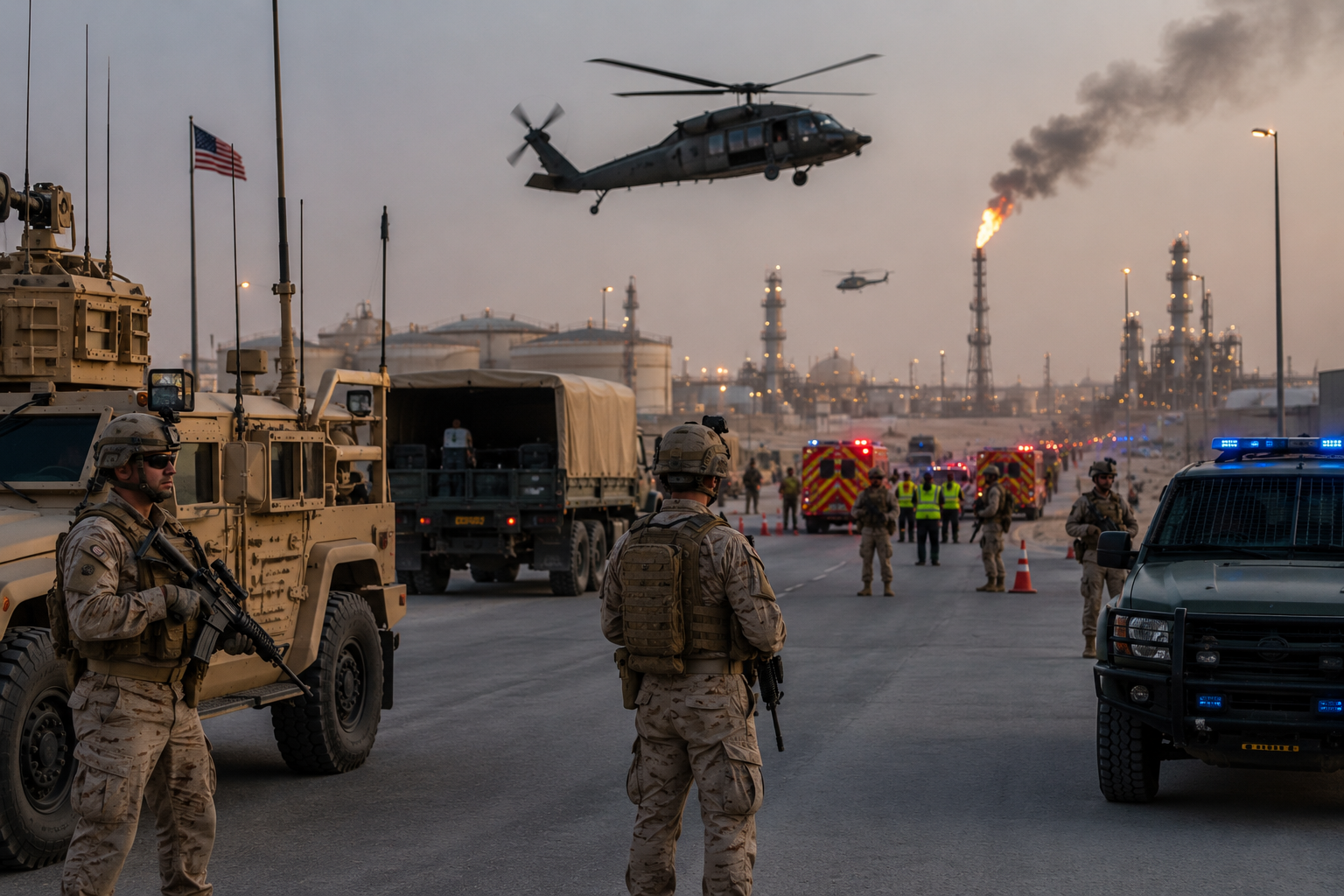
Following the reported strikes, US defence officials increased security around military installations across the Gulf. In addition, surveillance and monitoring activities have intensified as authorities assess the impact of the latest developments.
Officials have not ruled out additional precautionary measures. Nevertheless, the US administration has reiterated that it prefers diplomatic efforts to prevent further escalation.
Global concern grows over regional stability
Several countries have called for restraint as fears of a wider conflict continue to grow. Similarly, international leaders have urged both Washington and Tehran to avoid actions that could destabilise the region further.
Experts believe that any prolonged confrontation could affect global energy markets, regional security, and international trade routes. Therefore, diplomatic engagement remains a priority for many governments.
Situation remains highly fluid
Military analysts say the situation continues to evolve rapidly. Consequently, both governments are expected to review their next steps carefully while maintaining a strong security presence in the region.
As fresh developments continue to emerge, authorities across the region remain on high alert while the international community closely watches every new move.