

Introduction
The environment is very important for all living beings. It provides us with clean air to breathe, fresh water to drink, food to eat, and natural resources that support life. For millions of years, the Earth’s environment has changed because of natural events such as volcanic eruptions, earthquakes, floods, and climate cycles. However, in recent decades, human activities have become the main cause of environmental changes.
People are using large amounts of fossil fuels, cutting down forests, polluting the air and water, and expanding cities rapidly. These activities have disturbed the natural balance of the planet. As a result, the Earth is becoming warmer, the climate is changing, wildlife is losing its habitat, and natural disasters are occurring more frequently. It is important for everyone to understand these environmental changes so that we can work together to protect our planet for future generations.
Causes of Environmental changes
1. Deforestation
Forests play a vital role in maintaining ecological balance. They absorb carbon dioxide, produce oxygen, prevent soil erosion, and provide shelter to countless plants and animals. However, large numbers of trees are being cut down for agriculture, industries, roads, and urban development. This has reduced forest cover, destroyed wildlife habitats, and increased the amount of carbon dioxide in the atmosphere.
2. Pollution
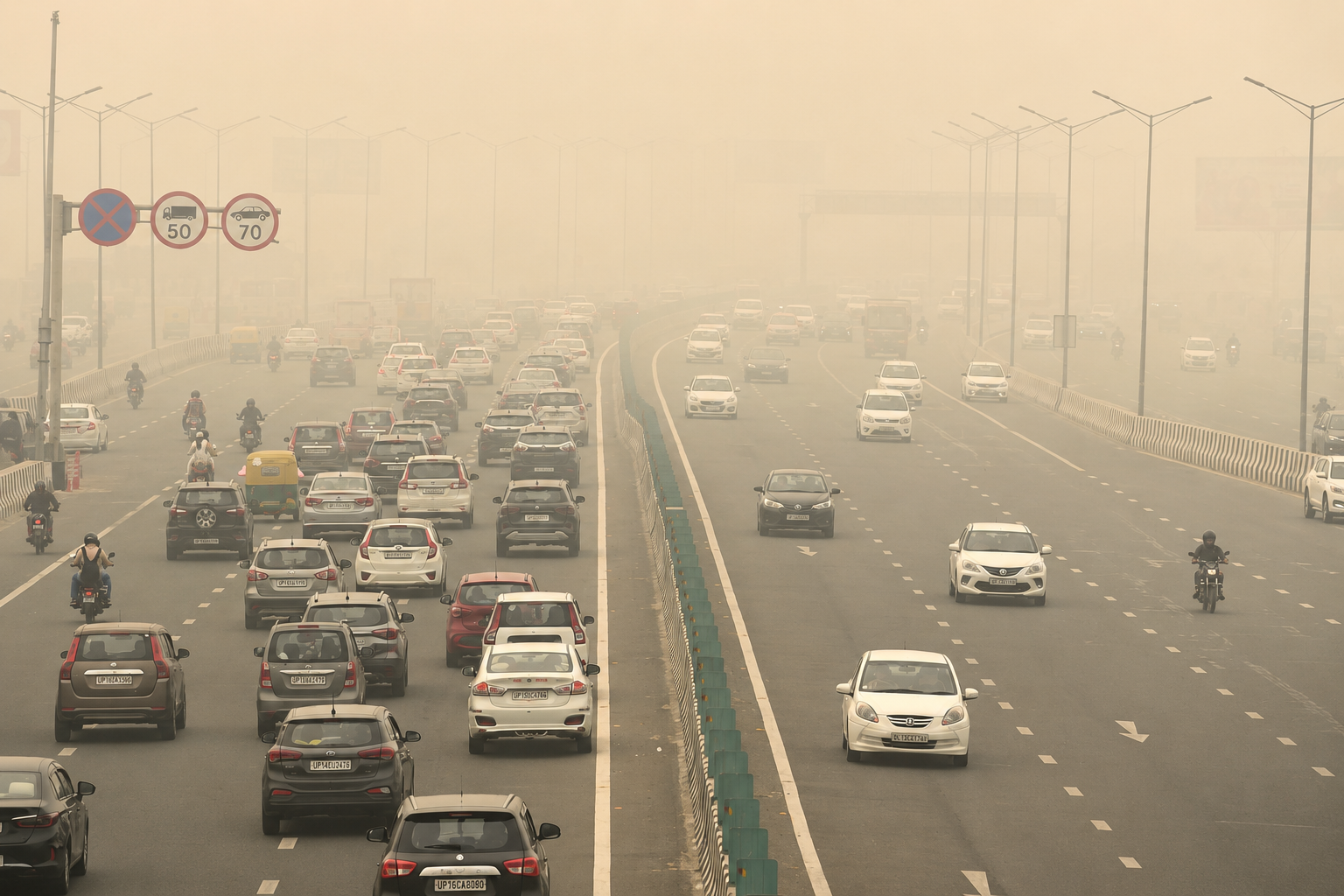
Pollution is one of the most serious environmental problems. Air pollution is caused by smoke from vehicles, factories, and power plants. Water pollution results from industrial waste, sewage, chemicals, and plastic entering rivers and oceans. Soil pollution is caused by excessive use of fertilizers, pesticides, and improper disposal of waste. Pollution damages ecosystems and affects the health of humans, animals, and plants.
3. Climate Change
The burning of coal, oil, and natural gas releases greenhouse gases such as carbon dioxide into the atmosphere. These gases trap heat, causing global warming and climate change. As temperatures rise, glaciers melt, sea levels increase, and extreme weather events become more common.
4. Industrialization and Urbanization
Rapid industrial growth and expanding cities require more land, energy, and natural resources. This leads to increased pollution, destruction of forests, and loss of wildlife habitats. Urbanization also reduces green spaces, making cities hotter and lowering air quality.
5. Overuse of Natural Resources
Natural resources such as water, forests, fossil fuels, and minerals are being used faster than they can be replaced. Overexploitation of these resources threatens the environment and reduces their availability for future generations.
Effects of Environmental Changes
1. Global Warming
The Earth’s average temperature is steadily increasing. This has caused glaciers and polar ice caps to melt, resulting in rising sea levels and increasing the risk of flooding in coastal areas.
2. Loss of Biodiversity
Environmental destruction has led to the loss of many plant and animal species. Every species plays an important role in maintaining ecological balance. The extinction of one species can affect many others and weaken entire ecosystems.
3. Extreme Weather Events
Climate change has increased the occurrence of floods, droughts, heatwaves, cyclones, hurricanes, and wildfires. These disasters damage property, destroy crops, disrupt daily life, and cause loss of human and animal lives.
4. Water Scarcity
Changing weather patterns and pollution have reduced the availability of clean drinking water. Many regions face water shortages, affecting agriculture, industries, and human health.
5. Health Problems
Environmental pollution has become a major threat to public health. Air pollution causes respiratory and heart diseases, while contaminated water spreads diseases such as cholera, typhoid, and dysentery.
Solutions to Environmental Changes
1. Afforestation and Reforestation
Planting more trees and protecting existing forests can improve air quality, prevent soil erosion, conserve biodiversity, and reduce the effects of climate change.
2. Use of Renewable Energy
Renewable sources such as solar, wind, hydroelectric, and geothermal energy should replace fossil fuels. These clean energy sources reduce pollution and greenhouse gas emissions.
3. Reduce, Reuse, and Recycle
Following the three Rs helps reduce waste, conserve natural resources, and minimize pollution. Recycling materials like paper, plastic, glass, and metal saves energy and protects the environment.
4. Sustainable Transportation
People should use public transport, walk, cycle, or drive electric vehicles whenever possible. Governments should develop efficient public transportation systems to reduce traffic congestion and air pollution.
5. Environmental Awareness
Schools, colleges, media, and social organizations should educate people about environmental conservation. Awareness encourages people to save water and electricity, reduce plastic use, and adopt eco-friendly habits.
6. Strong Government Policies
Governments should enforce strict environmental laws, control industrial pollution, promote clean technologies, and encourage sustainable development. International cooperation is also essential to address global environmental challenges.
Role of Individuals
Every individual has an important role in protecting the environment. We can contribute by:
* Planting trees and protecting green spaces.
* Avoiding single-use plastic bags and bottles.
* Conserving water and electricity.
* Reusing and recycling materials.
* Using eco-friendly products.
* Supporting environmental organizations.
* Spreading awareness among family, friends, and the community.
Conclusion
Environmental changes are among the greatest challenges facing the world today. Human activities such as deforestation, pollution, industrialization, and the excessive use of fossil fuels have damaged the Earth’s natural balance. However, by adopting sustainable practices, reducing pollution, conserving natural resources, and spreading environmental awareness, we can protect our planet.
The choices we make today will determine the future of coming generations. By working together, governments, industries, and individuals can create a cleaner, greener, and healthier world. Protecting the environment is not only our responsibility but also our duty to ensure a sustainable future for all.