

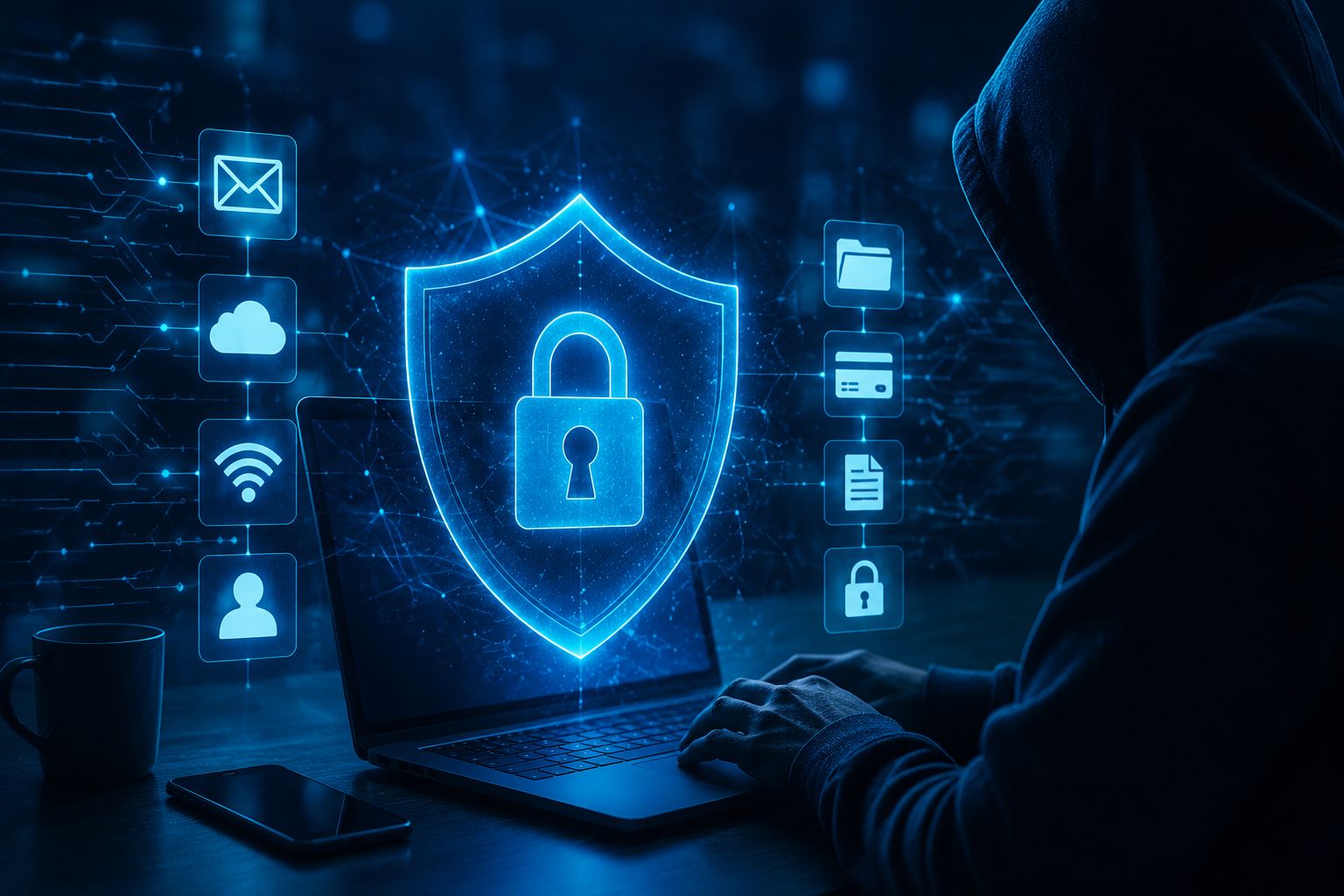
The world is getting more connected every day with smartphones, social media and computers. This means that digital privacy is a concern now. Everything you do online like browsing websites shopping or using apps creates data. These technologies are convenient. They also raise questions about how your personal information is used.
In 2026 data is very valuable. Companies, governments and bad people want your information so protecting your privacy is more important than ever.
What Is Digital Privacy?
Digital privacy is about controlling your information online. This includes your name, phone number, email, financial information and what you do online. Protecting this information helps you stay safe and free online.
Why Digital Privacy Matters
Your personal data is valuable because it shows what you like what you buy and how you live. Companies use this information to show you ads and improve their services. Governments use it for administration and security.. If the wrong people get your information you could be a victim of identity theft, fraud or cyberstalking. So protecting your privacy reduces these risks.
Common Digital Privacy Threats
There are threats to your online safety. Hackers can break into companies. Steal your information. Phishing attacks trick you into giving away your passwords or banking details. There are also programs, fake apps and public Wi-Fi risks. Some apps and websites collect much information, which is a concern.
The Role of Social Media
media platforms want you to share your life with others. While they help you connect with friends sharing much can put you at risk. If you share information publicly it can be used for ads, scams or identity theft. So it’s an idea to check your privacy settings and limit what you share.
Artificial Intelligence and Privacy
Artificial intelligence is changing industries by analyzing data. However AI systems often use a lot of information which raises concerns about transparency and data protection. Experts say that AI should be developed responsibly with clear rules to protect your privacy.
Digital Privacy in the Workplace
As more people work from home workplace privacy is becoming a concern. Many companies use software to monitor employees, which raises questions about privacy and data collection. Employees should know what information is being monitored and employers should be transparent and respect employees privacy.
Protecting Yourself Online
You can take steps to protect your digital privacy. Use passwords, enable two-factor authentication and keep your software up to date. Be careful when clicking on links and only download apps from sources. Also review what information you share with apps and be cautious when using Wi-Fi.
Privacy Education and Digital Awareness
Learning about privacy is one of the best ways to protect yourself. Many cyberattacks happen because people don’t know about the risks. Teaching literacy in schools and workplaces can help people recognize risks and avoid them. Staying informed about cybersecurity and encouraging family members to be safe can reduce the chances of data theft and fraud.
The Role of Governments and Companies
Governments and companies must work together to protect your data. They should have cybersecurity systems encrypt sensitive information and explain how they use your data. Responsible data management is crucial in todays world.
Building a Safer Digital Future
Protecting digital privacy requires cooperation between individuals, businesses and governments. We need cybersecurity, responsible innovation and clear data policies. By working we can create a safer digital environment. As technology advances we must stay vigilant. Take steps to protect our personal information.
Challenges for the Future
As technology evolves digital privacy challenges are becoming more complex. The growth of devices, facial recognition and AI-powered apps creates more personal data every day. Balancing innovation with privacy rights will be a challenge in the years ahead.
Conclusion
Digital privacy is no longer a technology issue; it’s a part of everyday life. As more information moves online protecting your identity is essential. By understanding the risks and taking steps to protect yourself you can reduce the chances of cybercrime. Maintain control over your personal information. In a world awareness and responsible technology use are key, to protecting your privacy and building a safer online future.