

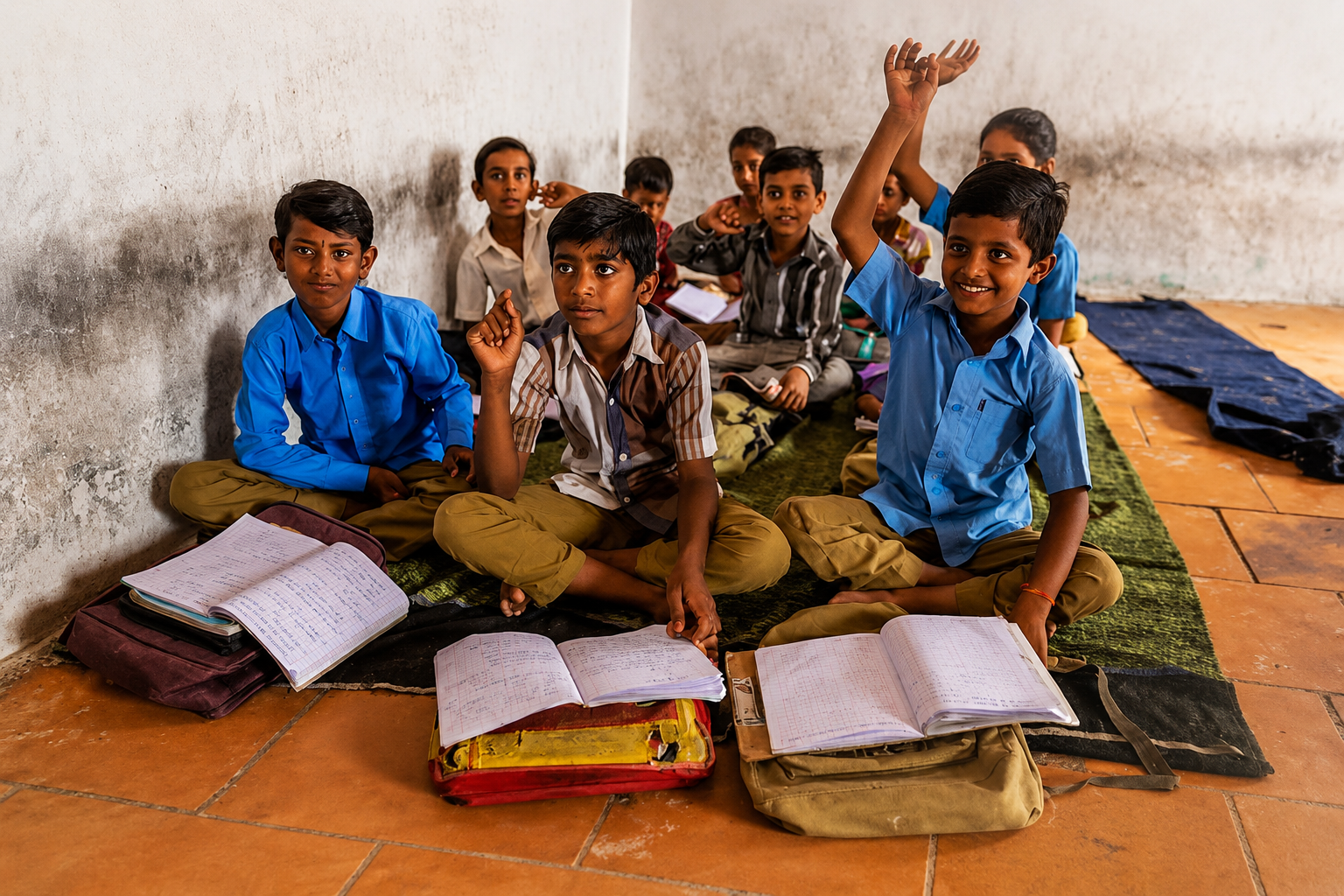
Education: The Foundation of a Better Future
Education is one of the greatest gifts a person can receive. It is the foundation of knowledge, character, and progress. Education teaches us essential skills such as reading, writing, communication, and critical thinking. It enables us to make informed decisions, solve problems, and become responsible citizens. More importantly, education plays a vital role in the development of individuals, society, and the nation. When people are educated, they contribute to economic growth, social harmony, innovation, and national development.
In today’s rapidly changing world, education is more important than ever before. It helps people face new challenges, adapt to technological advancements, and compete in a globalized world. Education provides the knowledge, skills, and confidence needed to achieve success in both personal and professional life.
Meaning of Education
Education is the process of acquiring knowledge, skills, values, attitudes, and habits through learning and teaching. It is a lifelong journey that begins in childhood and continues throughout life. Learning does not take place only in schools and colleges but also at home, in society, and through everyday experiences.
The word “education” is derived from the Latin word “educare,” which means “to bring up” or “to develop.” This reflects the true purpose of education—to nurture the intellectual, emotional, moral, social, and physical development of an individual.
Importance of Education
Education is essential for both personal and social development. It opens doors to opportunities and improves the overall quality of life.
1. Personal Development
Education builds self-confidence, self-discipline, creativity, and critical thinking. It helps individuals understand themselves better, make wise decisions, and become independent and responsible.
2. Better Career Opportunities
A good education increases employment opportunities and leads to better-paying jobs. Skilled and educated individuals contribute more effectively to the workforce and help strengthen the economy.
3. Economic Growth
Education improves productivity, innovation, and entrepreneurship. Countries with higher literacy rates generally experience stronger economic growth, better living standards, and reduced poverty.
4. Social Equality
Education helps reduce discrimination and promotes equality. It provides equal opportunities for everyone, regardless of gender, religion, social background, or financial status.
5. Responsible Citizenship
Educated citizens understand their rights and responsibilities. They respect laws, participate in democratic processes, protect the environment, and contribute positively to society.
6. Scientific and Technological Advancement
Education promotes scientific research, innovation, and technological development. It contributes to improvements in healthcare, communication, transportation, agriculture, and industry, making life easier and more productive.
Types of Education
Education is generally classified into three main types.
1. Formal Education
Formal education takes place in schools, colleges, and universities under a structured curriculum. It follows a systematic approach and leads to recognized certificates, diplomas, and degrees.
2. Informal Education
Informal education occurs through daily life experiences, family interactions, books, media, travel, and observation. It has no fixed syllabus but teaches valuable life lessons and practical skills.
3. Non-Formal Education
Non-formal education includes adult education, vocational training, skill development programs, workshops, online courses, and professional certification programs. It is flexible and designed to meet specific learning needs.
Role of Teachers in Education
Teachers are the backbone of the education system. They not only teach academic subjects but also inspire students to become responsible, confident, and successful individuals. A good teacher encourages curiosity, develops moral values, builds confidence, and helps students discover their talents.
Teachers create a positive learning environment where students feel motivated to ask questions, solve problems, and think creatively. Their guidance shapes both individual lives and society as a whole.
Role of Parents in Education
Parents are a child’s first teachers. They teach values such as honesty, discipline, respect, kindness, and responsibility. When parents encourage learning, support homework, communicate with teachers, and motivate their children, they play a significant role in academic success.
Strong cooperation between parents and schools creates a healthy and supportive learning environment.
Technology and Modern Education
Technology has transformed education in remarkable ways. Digital classrooms, online learning platforms, educational apps, virtual laboratories, and artificial intelligence have made learning more accessible, flexible, and interactive.
Students can now access educational resources from anywhere in the world. Online courses allow learners to study at their own pace, while smart classrooms make lessons more engaging through videos, animations, and interactive activities.
However, excessive dependence on technology can lead to distractions and reduce face-to-face interaction. Therefore, technology should be used wisely to enhance education rather than replace traditional teaching methods.
Importance of Value-Based Education
Education is not only about earning good grades or securing a job. It is equally important to develop good character. Value-based education teaches honesty, kindness, compassion, discipline, respect, responsibility, and empathy.
These values help individuals become ethical citizens who contribute positively to society. Knowledge without values cannot create a peaceful and prosperous nation.
Challenges in Education
Despite significant progress, many countries continue to face several educational challenges.
1. Lack of Quality Education
Many schools still lack proper infrastructure, qualified teachers, modern teaching methods, libraries, laboratories, and other essential facilities.
2. Financial Constraints
Children from economically weaker families often struggle to continue their education because of poverty and limited financial resources.
3. Digital Divide
Although technology has improved education, many students in rural and underprivileged areas still lack access to computers, smartphones, and reliable internet connectivity.
4. School Dropout Rates
Many children leave school due to poverty, child labor, early marriage, or family responsibilities. This limits their future opportunities and personal growth.
5. Examination Pressure
An excessive focus on marks and examinations creates stress among students. Education should emphasize creativity, practical knowledge, skill development, and overall personality development rather than rote memorization.
Measures to Improve Education
Several steps can strengthen the education system and make learning more effective.
1. Improve school infrastructure and learning facilities.
2. Recruit and train qualified teachers.
3. Promote digital education while ensuring equal access to technology.
4. Encourage skill-based and practical learning.
5. Reduce unnecessary academic pressure.
6. Increase financial assistance and scholarships for deserving students.
7. Promote girls’ education and inclusive education for children with disabilities. 8. Strengthen cooperation among teachers, parents, communities, and governments.
Education and Nation Building
Education is the backbone of national development. Educated citizens contribute to economic growth, scientific research, healthcare, environmental protection, innovation, and social harmony. They become entrepreneurs, professionals, scientists, teachers, and leaders who solve problems and improve people’s lives.
A nation cannot progress without investing in quality education. Countries that prioritize education generally enjoy higher productivity, lower crime rates, better healthcare, stronger democratic institutions, and sustainable development.
Education also promotes national unity by teaching respect for diversity, cultural heritage, constitutional values, and mutual understanding among people from different backgrounds.
The Future of Education
The future of education will be shaped by technology, innovation, and lifelong learning. Artificial intelligence, virtual reality, personalized learning systems, and digital classrooms will continue to transform the way people learn.
However, future education must maintain a balance between technological advancement and human values. Critical thinking, creativity, communication, collaboration, emotional intelligence, and ethical behavior will remain essential skills for future generations.
Educational institutions must continuously adapt to changing economic and social needs while ensuring equal learning opportunities for every student.
Conclusion
Education is the foundation of personal growth and national progress. It empowers individuals with knowledge, skills, confidence, and values that help them overcome challenges and achieve their goals. Education reduces poverty, promotes equality, strengthens democracy, encourages innovation, and drives sustainable economic development. It is not merely a means of earning a livelihood but a powerful tool for transforming lives and building a better society.
Every child deserves access to quality education, regardless of their background, gender, or financial condition. Governments, teachers, parents, and society must work together to ensure that education reaches every corner of the country. By investing in education today, we build a more peaceful, prosperous, and sustainable future for generations to come.