

Introduction
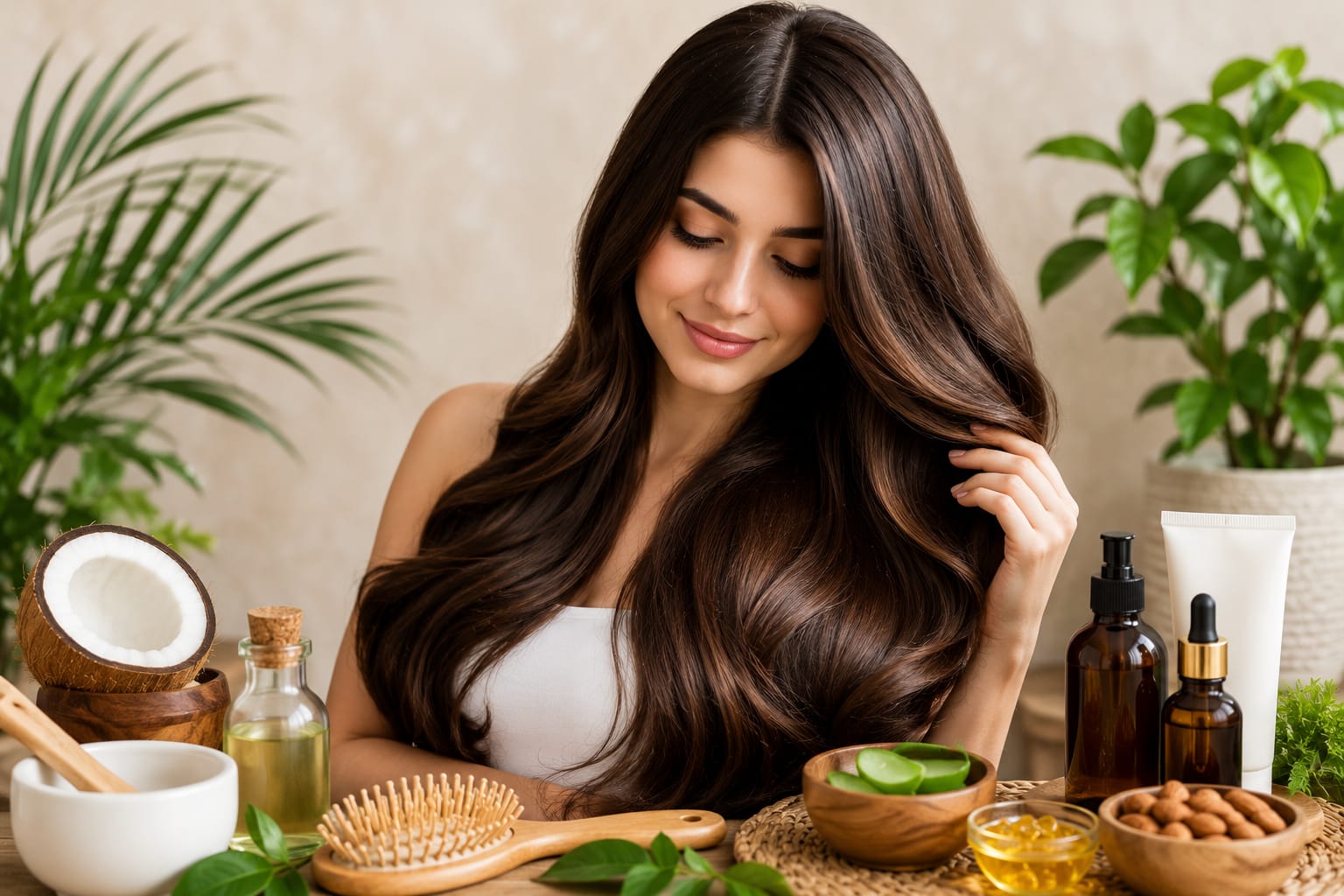
Many believe that healthy hair is a sign of a healthy body and good personal hygiene. Healthy and attractive hair is not only a boost to anyone’s appearance, but it is also a boost to their confidence. Pollution, stress, unhealthy eating, over-styling, and improper hair care routines can have a negative impact on hair health and growth, however. Although hair characteristics are largely determined by a person’s genes, there are steps one can take to improve quality and encourage hair growth. The first step towards having beautiful and healthy hair is to know the basics of hair care.
Understanding Hair Growth
Hair grows out of hair follicles under the skin covering the scalp.
The growth cycle has 3 phases:
1:Anagen Phase
The active growth stage when hair still grows. This period is the key to the amount of hair that can be achieved.
2:Catagen Phase
This is a temporary phase and marks the beginning of the end of hair growth.
3:Telogen Phase
In this process of rest, old hair may fall out and be replaced by new hair.
Hair growth is a normal and ongoing process, however nutritional, hormonal, age and health issues can affect the rate and quality of growth.
Importance of a Healthy Diet
Eating right is an important element of healthy hair. Hair follicles need proper nourishment to be able to work properly and grow.
Protein
Keratin is a protein that is the main component of hair. Eat food rich in protein like eggs, fish, dairy, legumes and nuts for healthy and strong hair and minimise hair breakage.
Vitamins and Minerals
Vitamins (A, C, D and E) and minerals (iron and zinc) play a role in promoting healthy hair and scalp. These nutrients deficiencies can cause hair thinning and hair fall.
Hydration
The proper amount of water is essential for keeping the scalp moist and hair healthy. Dry and brittle hair could be a problem due to dehydration.
The creation of a Proper Hair Care Routine:
Having a regular hair care regimen will help keep healthy hair and promote hair growth.
Regular Cleansing
Washing hair helps eliminate any dirt, excess oils or product buildup on the scalp. But over washing can remove the natural oils and lead to dryness. Using the right hair shampoo ensures a healthy balance.
Conditioning
Conditioners will add moisture, eliminate frizz, and make hair more manageable. Conditioning helps to keep hair smooth and less damaged.
Gentle Drying
Brusshing wet hair with a towel may lead to breakage. Rather, it’s best to gently pat or squeeze out the excess water to avoid ruining the hair.
Regular Trimming
Regular trimming (every few months) will remove split ends and keep the hair looking healthy. While cutting hair doesn’t actually help to make it grow faster, it will help to avoid damage that may make hair look thinner and shorter.
Minimizing damage to hair.Hair Damage Prevention.
The care and attention you give your hair on a daily basis can make a huge difference.
Limiting Heat Styling
Using straighteners, curling irons and blow dryers on a regular basis can cause hair to become weak and dry. Damage can be minimised by use of heat protectant products and reducing exposure to heat.
Avoiding Harsh Chemicals
Over-coloring, over-bleaching and over-relaxing can lead to weakened hair strands. Restricting such practices maintains healthier and more natural hair texture and strength.
The prevention of environmental effects on Hair
The sun, pollution, and extreme weather elements can strip the hair of its shine and luster. A hat, scarf or protective hair products can help reduce environmental damage.
Scalp Health and Hair Growth
A healthy scalp is the perfect breeding ground for hair growth. If the scalp is unhealthy, the follicles of the hair can malfunction and lead to hair loss.
Scalp Massage
Scalp massages can help to relax and promote better circulation. Enhanced blood flow can improve the supply of nutrients to hair follicles.
Managing Dandruff
Dandruff and scalp irritation may impact the health of the hair. These can be prevented by using the proper hair care products and keeping the scalp in good condition.
Avoiding Product Buildup
Excessive use of styling products can clog hair follicles and irritate the scalp. Regular clearing will maintain a healthy and clean scalp.
The impact of lifestyle factors are explored.The influence of lifestyle factors is discussed.
Good or bad health of the hair is closely related to health habits.
Stress Management
Stress can lead to high levels of stress that contribute to hair shedding and weak growth. Stress can be controlled by engaging in activities like exercise, meditation, yoga and good rest.
Quality Sleep
Sleep is essential for the body’s repair and regeneration processes. A lack of quality sleep can have a detrimental impact on hair growth and well-being.
Regular Physical Activity
When you exercise, blood flows into every part of the body—even to the scalp. Improved blood flow aids in providing nutrients to the hair follicles and helps produce healthier hair.
Here are some common misconceptions and myths about hair growth:
There are numerous myths about hair growth. To illustrate this, shaving of the head does not lead to a thicker growth of hair and expensive products alone cannot ensure fast growth. To achieve healthy hair growth, it is essential to have a well-balanced diet, scalp care, and regular hair maintenance practices.
Another important thing to keep in mind is that the hair grows slowly and requires patience. Sustainable results are typically gained by long-term healthy practices; not quick fixes.
Conclusion
Healthy eating, lifestyle and consistent care are essential for hair care and growth. Genetics play a role in hair features, but healthy eating, keeping up the health of the scalp, protecting the hair from harm, and leading a healthy lifestyle can greatly enhance the health of the hair. Healthy and strong hair is not a one-day process; it takes time and attention to improve the quality and growth of your hair. With a bit of time and dedication to a proper hair care routine, you can reap long-term rewards and gain confidence from your hair.