

Introduction
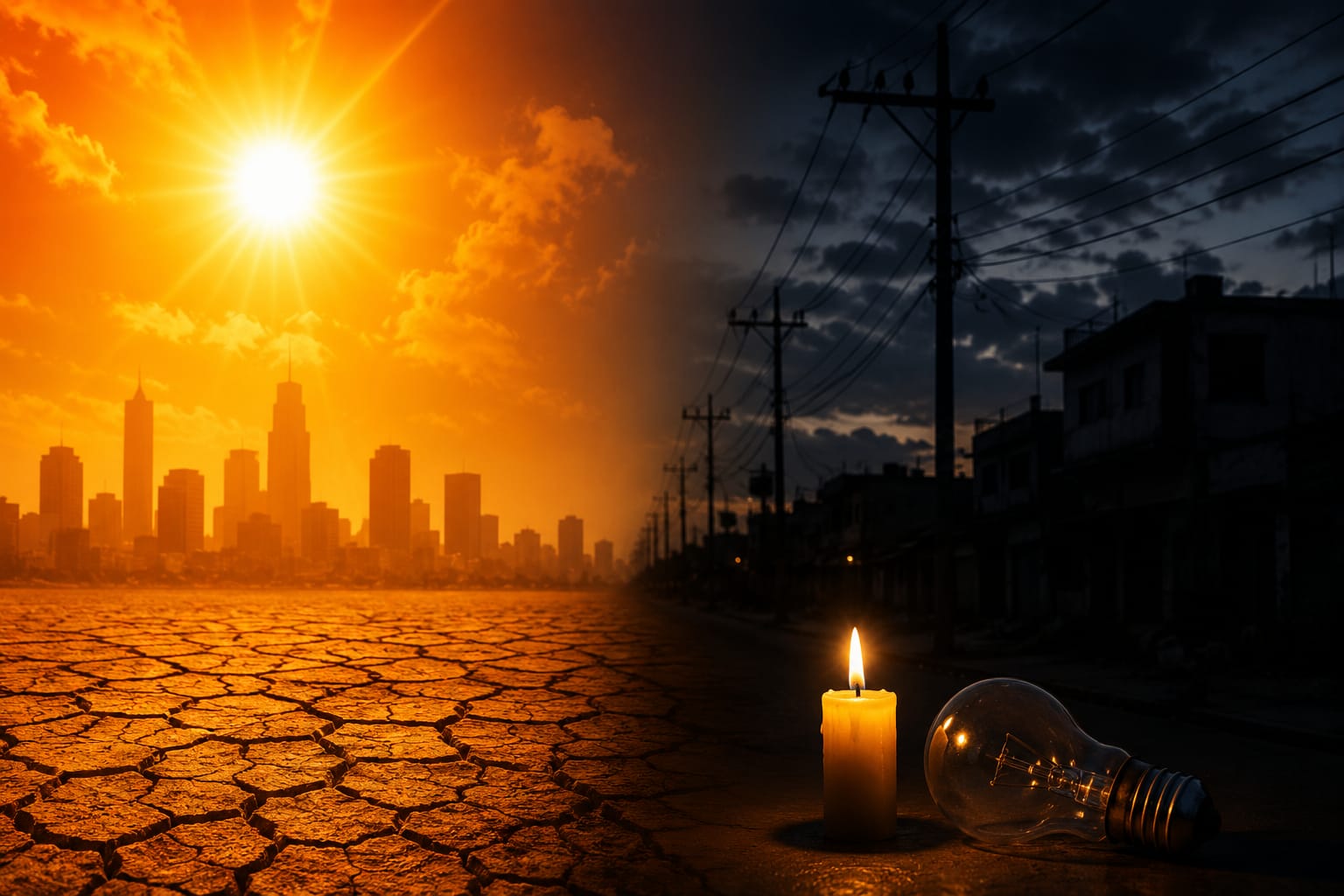
The world is seeing an increase in extreme weather events with heatwaves becoming longer more frequent and more intense. At the time many areas are dealing with recurring power cuts especially during the hottest months. This combination is creating a crisis that affects millions of people disrupting daily life threatening public health and putting a lot of pressure on energy systems. Heatwaves and power outages are becoming connected challenges that need immediate attention because global temperatures continue to rise due to climate change.
The Rising Threat of Heatwaves
A heatwave is a period of unusually high temperatures often with high humidity. While hot summers have always existed climate change has made these extreme events more severe and unpredictable. Greenhouse gas emissions from industries, vehicles and deforestation have increased the Earths temperature making heatwaves more frequent across many parts of the world. Heatwaves are a problem for people all over the world especially heatwaves. Urban areas are particularly vulnerable because of the ” heat island” effect. Cities have a lot of buildings, roads and not many green spaces, which absorb and retain heat causing cities to remain much hotter than surrounding rural areas. As a result millions of people experience daytime temperatures and little relief during the night, which is a big problem for heatwaves.
Why Heatwaves Lead to Power Cuts
During heat people use a lot of electricity for air conditioners, fans, refrigerators and cooling systems. This sudden increase in electricity consumption puts a lot of pressure on power grids and power grids have a time handling it.
In regions old infrastructure and limited power generation capacity struggle to meet this surge in demand, which is a big problem for power cuts. Transformers become overloaded transmission lines overheat and equipment failures become more common. To prevent the collapse of the electrical grid power companies may implement scheduled power cuts or load shedding which affects heatwaves.
Unfortunately these outages often occur during the hours of the day when people need electricity the most creating a cycle of discomfort and danger especially for heatwaves.
Impact on Public Health
Heatwaves pose significant health risks but power cuts make the situation even more dangerous and heatwaves are a big part of the problem. Without electricity air conditioners and fans stop working leaving homes hot. Elderly people, children, pregnant women and individuals with chronic illnesses are especially vulnerable to heat-related conditions such as dehydration, heat exhaustion and heatstroke which are all related to heatwaves.
Hospitals and healthcare facilities also face challenges during power outages and heatwaves make it worse. Although many have generators continuous outages can strain emergency resources and disrupt critical medical services, which is a big problem for heatwaves.
High nighttime temperatures without electricity also affect sleep quality leading to fatigue reduced productivity and increased stress among the population. It is all connected to heatwaves.
Economic and Social Consequences
The combination of heatwaves and power cuts affects both households and businesses and heatwaves are a part of it. Shops, restaurants, factories and offices may experience production delays, equipment damage and financial losses due to interrupted electricity supply, which is related to heatwaves.
Students preparing for examinations often struggle to study during power outages in areas with limited access to backup power and it affects their ability to deal with heatwaves. Farmers also suffer when irrigation systems stop working affecting productivity during already stressful weather conditions, which include heatwaves.
Small businesses that depend on refrigeration or equipment may lose valuable inventory and income and heatwaves make it worse. Frequent power cuts also discourage investment and slow economic growth which is all connected to heatwaves.
The Role of Climate Change
Scientists agree that human-induced climate change is one of the reasons behind increasingly intense heatwaves and climate change is a big problem for heatwaves. Burning fuels, deforestation and industrial emissions have increased the concentration of greenhouse gases in the atmosphere trapping more heat and warming the planet, which makes heatwaves worse.
As temperatures continue to rise electricity demand for cooling is expected to increase and heatwaves will be a big part of it. Without improvements in energy infrastructure and climate action many countries may face greater challenges in balancing electricity supply and demand during future summers, which will be full of heatwaves.
Solutions to the Growing Crisis
One important step is investing in resilient power infrastructure, which will help with heatwaves. Upgrading transmission lines expanding energy sources such as solar and wind power and improving electricity storage systems can help meet growing energy demands more efficiently and it will reduce the impact of heatwaves.
Increasing energy efficiency is equally important. It will help with heatwaves. Using energy- appliances, LED lighting, proper home insulation and smart cooling technologies can reduce electricity consumption without sacrificing comfort and it is all about reducing the impact of heatwaves.
Cities should also invest in planning that reduces heat and heatwaves are a big part of it. Planting trees, creating parks installing cool roofs and increasing green spaces help lower urban temperatures naturally which will reduce the impact of heatwaves.
Governments can strengthen warning systems for heatwaves establish cooling centers and educate the public about heat safety measures and it is all about heatwaves. Public awareness campaigns encourage people to stay hydrated avoid activities during peak heat and check on vulnerable family members and neighbors and it is all about dealing with heatwaves.
Every person can contribute to reducing the impact of climate change and lowering electricity demand, which will help with heatwaves. Simple actions such as switching off electrical devices using ceiling fans efficiently setting air conditioners at moderate temperatures and choosing energy-efficient appliances make a difference and it is all about reducing the impact of heatwaves.
Reducing the use of vehicles supporting renewable energy conserving water and planting trees are also valuable steps toward creating a more sustainable future and it is all connected to heatwaves.
While individual actions alone cannot solve the crisis collective efforts from millions of people can significantly reduce impact and it is all about dealing with heatwaves.
Conclusion
Heatwaves and power cuts are no isolated problems—they are interconnected challenges driven by climate change increasing energy demand and aging infrastructure and heatwaves are a big part of it. Together they threaten health, economic stability, education, agriculture and overall quality of life and it is all connected to heatwaves.
The growing crisis serves as a reminder that climate action and energy resilience must become priorities and it is all about heatwaves. Governments need to modernize electricity systems invest in energy and strengthen disaster preparedness while citizens must adopt sustainable lifestyles and conserve energy whenever possible and it is all about reducing the impact of heatwaves.
The choices we make today will determine how well future generations can cope with rising temperatures and it is about heatwaves. By acting we can reduce the risks of extreme heat build stronger energy systems and create a safer, healthier and more sustainable future, for everyone and it is all connected to heatwaves