

Introduction
India is going through a change in the way people deal with money. Over the ten years digital payments have become very important. They are changing how people send, receive and manage money. Slowly people are using cash and more electronic ways to pay. This has made the financial system more connected and better. Now people can do financial tasks faster more clearly and more efficiently whether they live in cities or villages.
Role of Digital India Initiative
The Digital India Initiative has played a part in this change. This program has helped spread infrastructure all over the country and improved internet access even in remote areas. It has also made it easier for people to use government services online.
The initiative has also taught people about payments and helped them understand how to use online transactions. As a result people trust systems more and more people have access to financial services. This has created a connected and technology-driven economy.
Rise of UPI and Instant Payments
One of the changes in this transformation is the introduction of the Unified Payments Interface or UPI. This system allows people to send money from one bank account to another using their phones. It has made transactions simpler and easier for users.
Payments are now processed quickly and many merchants across India are using it. Banks can also work together seamlessly making financial services easier to use. This has started an era of real-time payments replacing the old delays in sending money.
Role of NPCI in Digital Growth
The National Payments Corporation of India or NPCI has supported the growth of payments. It has. Managed many payment systems in a structured way.
It has also strengthened security. Made sure transactions are reliable. The NPCI has encouraged payment technologies and introduced new systems regularly. As a result the digital payment system is more stable. People trust it more.
Regulatory Support by RBI
The Reserve Bank of India or RBI has played a role in regulating and supervising digital payment systems. It has issued guidelines for transactions and strengthened consumer protection.
It has also addressed the risks of cyber fraud through monitoring and awareness initiatives. The RBI has standardized banking practices and improved compliance systems. This has created an more reliable financial environment for people all over the country.
Impact on Daily Life
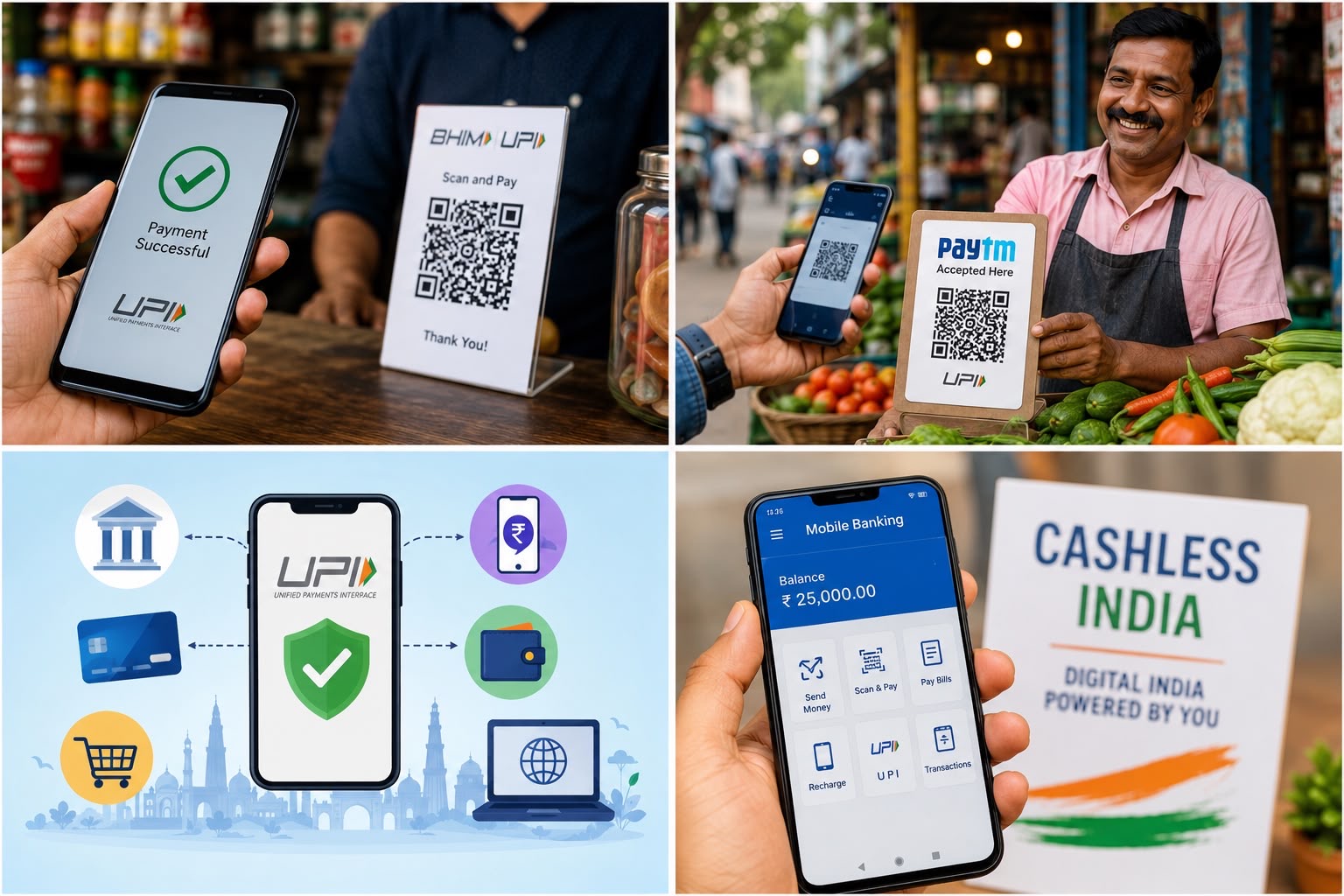
Digital payments have changed the way people deal with money every day. People use cash and more mobile wallets, QR codes and banking apps. Even small vendors and street merchants are now part of the payment system.
Transactions are more transparent. Keeping track of finances is easier. People can make payments quickly. Managing personal finances has become easier due to digital tracking of expenses.
Transformation of Banking Sector
The banking sector has undergone changes due to digital adoption. People visit banks often and online banking services are now the preferred way to manage accounts. It is easier to manage accounts. People can see their transactions in real-time.
The banking sector has also expanded to include people who did not have bank accounts before through onboarding processes. As a result banking services are more accessible, efficient and user-friendly.
Growth of E-Commerce and Businesses
Digital payments have had an impact on e-commerce and businesses. Online shopping platforms have grown rapidly. Secure payment gateways are widely used. Customers can shop easily and checkout processes are smoother.
Small businesses have also benefited from payments, which have improved their cash flow. This has encouraged entrepreneurship and expanded market access beyond limits. As a result economic growth has been supported through increased participation.
Challenges in Digital Payment System
Despite the progress there are some challenges. Cybersecurity threats have become more advanced. There have been cases of digital fraud. Sometimes rural connectivity issues have limited the adoption of systems.
However improvements have been made to address these problems. Stronger security measures have been. Awareness programs have been expanded. As a result risks have been. People trust digital payments more.
Future of Digital Payments in India
The future of payments in India looks very promising. New technologies like intelligence, biometric authentication and blockchain systems are expected to be part of financial platforms.
Internet access is likely to increase, in rural areas. This will strengthen inclusion and may help India move closer to a cashless economy. Ultimately an efficient, secure and technology-driven financial system is expected to emerge.
Conclusion
In conclusion digital payments have changed Indias landscape significantly. Through government initiatives, technological innovation and regulatory support a modern payment ecosystem has been established. Although there are challenges continuous improvements are being made. As a result India is steadily progressing toward an inclusive and digital financial future and digital payments are playing a big role in this transformation and digital payments are helping to create a better financial system for everyone in India and digital payments are making a big difference, in peoples lives.