

Introduction
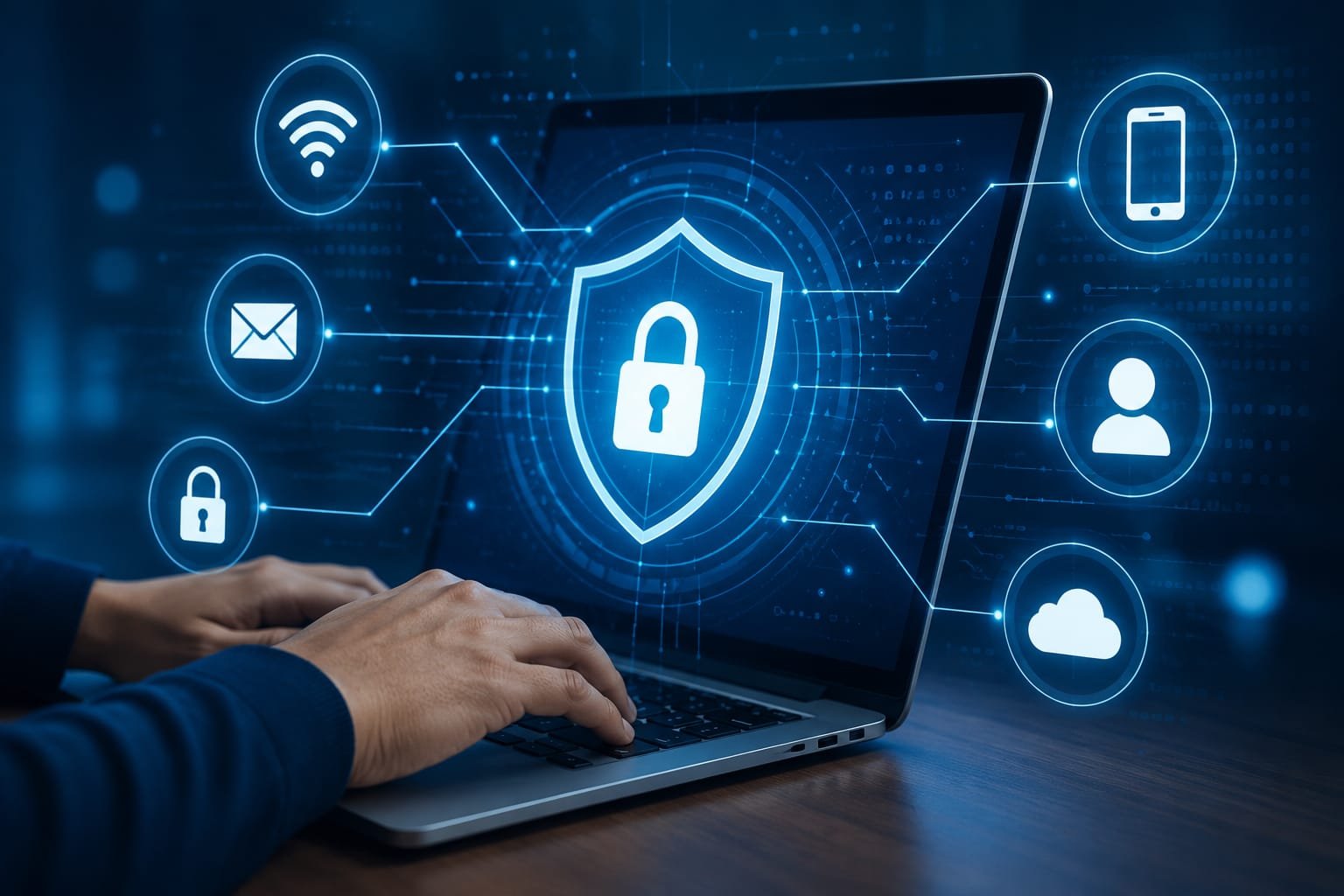
In today’s digital world, the internet has become an essential part of our daily lives. We use it for communication, education, banking, shopping, entertainment, and work. While technology has made life easier and more connected, it has also increased the risk of cyber threats. Cybercriminals use various methods to steal personal information, financial data, and sensitive business information. This is why cyber safety has become more important than ever.
Cyber safety means protecting ourselves, our devices, and our online information from cyber attacks and digital threats. By following safe online practices, individuals and organizations can reduce the risk of becoming victims of cybercrime.
What Is Cyber Safety?
Cyber safety refers to the responsible and secure use of the internet, computers, smartphones, and other digital devices. It includes protecting personal information, using secure passwords, avoiding suspicious websites, and staying alert against online scams.
Cyber safety is not only about using antivirus software. It also involves making smart decisions while browsing the internet and sharing information online.
Protection of Personal Information
One of the biggest reasons cyber safety is important is to protect personal information. Our names, addresses, phone numbers, passwords, bank details, and identity documents are often stored online. If this information falls into the wrong hands, it can lead to identity theft, financial loss, and privacy violations.
Using strong passwords, enabling two-factor authentication, and avoiding sharing sensitive information on unsecured websites can help keep personal data safe.
Prevention of Financial Fraud
Online banking, digital payments, and online shopping have become common. Unfortunately, cybercriminals often target these services through phishing emails, fake websites, and malicious software.
Practicing cyber safety helps users identify suspicious messages, avoid fraudulent websites, and protect their financial accounts from unauthorized access.
Safe Social Media Usage
Millions of people use social media every day to connect with friends and family. However, oversharing personal information can expose users to scams, cyberbullying, identity theft, and privacy risks.
Users should regularly review their privacy settings, avoid accepting requests from unknown people, and think carefully before posting personal details or location information online.
Protection Against Malware
Malware includes viruses, ransomware, spyware, and other harmful software designed to damage devices or steal information. Malware often spreads through unsafe downloads, infected email attachments, or malicious websites.
Installing trusted antivirus software, keeping operating systems updated, and downloading files only from reliable sources can reduce the risk of malware infections.
Importance for Students
Students rely heavily on the internet for online learning, research, and communication. They often use educational websites, cloud storage, and digital classrooms.
Learning cyber safety helps students recognize fake websites, avoid online scams, protect their accounts, and become responsible digital citizens. Schools and parents also play an important role in teaching safe internet habits.
Cyber Safety in the Workplace
Businesses store valuable customer information, financial records, and confidential data online. A single cyber attack can cause major financial losses and damage a company’s reputation.
Organizations should train employees on cybersecurity best practices, use secure networks, regularly update software, and create strong data protection policies to reduce cyber risks.
Safe Online Shopping
Online shopping offers convenience, but it also attracts scammers who create fake websites and fraudulent payment pages.
Consumers should always shop on trusted websites, check for secure payment options, verify website authenticity, and avoid making purchases using public Wi-Fi networks.
Importance of Strong Passwords
Weak passwords are one of the most common causes of hacked accounts. Using simple passwords like “123456” or “password” makes accounts easy to access.
Strong passwords should contain uppercase and lowercase letters, numbers, and special characters. Using different passwords for different accounts and enabling two-factor authentication provides an extra layer of security.
Keeping Software Updated
Software updates often include important security patches that protect devices from newly discovered vulnerabilities. Ignoring updates can leave systems exposed to cyber attacks.
Keeping operating systems, browsers, antivirus software, and mobile applications updated is one of the easiest ways to improve cyber safety.
Building a Safe Digital Future
As technology continues to grow, cyber threats will also become more advanced. Artificial intelligence, cloud computing, and connected devices bring new opportunities as well as new security challenges.
Governments, businesses, educational institutions, and individuals must work together to promote cyber awareness and create a safer digital environment for everyone.
Conclusion
Cyber safety is an essential part of modern life. Protecting personal information, avoiding online scams, using strong passwords, updating software, and practicing responsible internet habits can significantly reduce cyber risks.
Everyone who uses the internet has a responsibility to stay informed and follow basic cybersecurity practices. By making cyber safety a daily habit, we can enjoy the benefits of technology while protecting ourselves, our families, and our communities from digital threats. A secure online environment begins with informed and responsible users.