

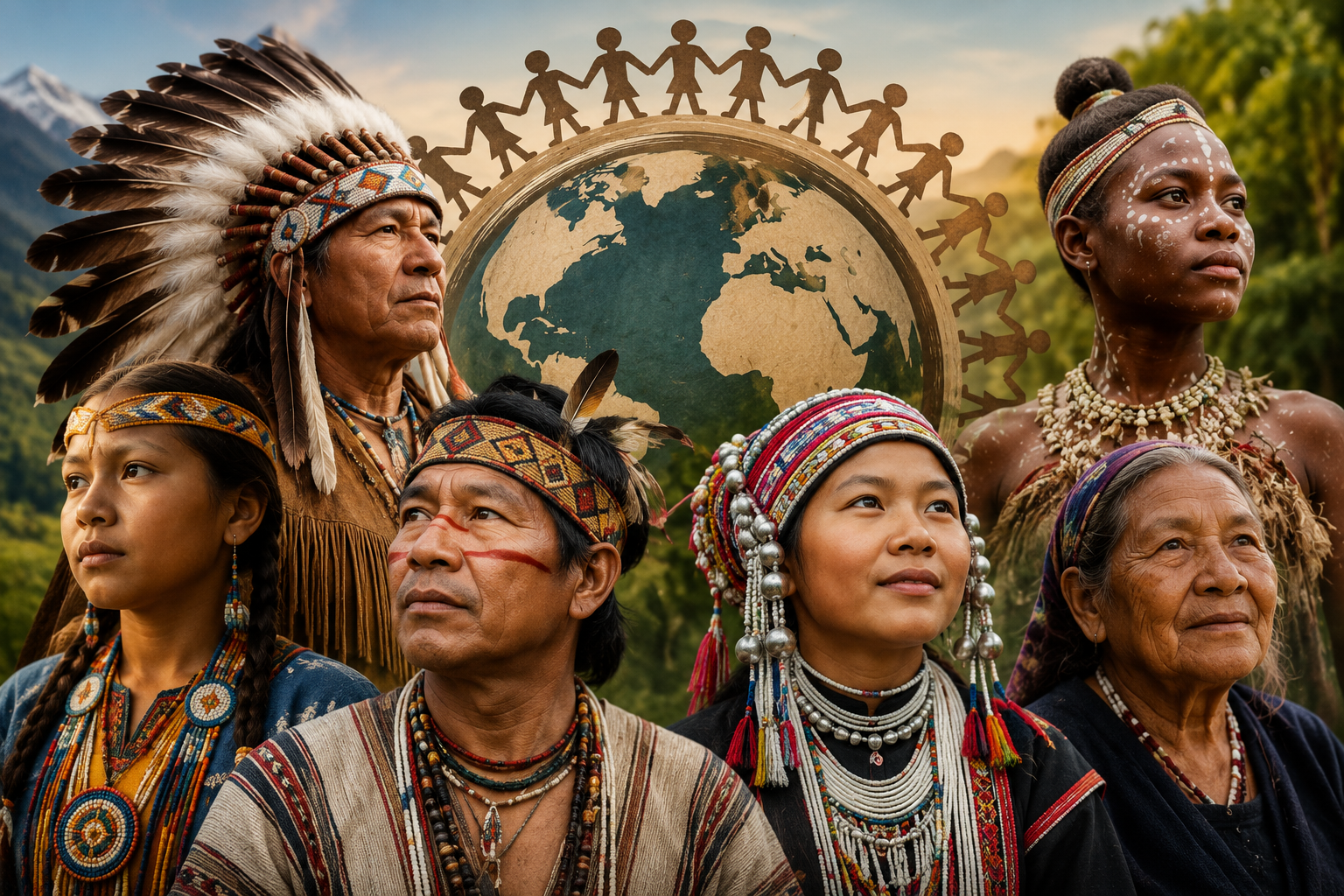
Recognising Indigenous Communities Around the World
The International Day of the World’s Indigenous Peoples is observed every year on 9 August to celebrate the rich cultural heritage, traditions, languages, and contributions of Indigenous communities worldwide. Established by the United Nations, the day also raises awareness about the challenges Indigenous Peoples continue to face, including discrimination, loss of ancestral lands, limited access to education and healthcare, and the effects of climate change.
The observance encourages governments, organisations, and individuals to respect Indigenous rights and support their participation in decisions that affect their lives.
Why This International Day Is Observed
The United Nations proclaimed 9 August as the International Day of the World’s Indigenous Peoples to recognise the world’s more than 476 million Indigenous people living across over 90 countries. Although Indigenous communities represent thousands of unique cultures and languages, many continue to experience social and economic inequalities.
This international observance promotes awareness of their rights, preserves their cultural identities, and highlights the importance of protecting traditional knowledge, languages, and sustainable ways of living.
Importance of Indigenous Knowledge
Indigenous Peoples have long maintained deep connections with nature and possess valuable knowledge about biodiversity, conservation, sustainable agriculture, and environmental stewardship. Their traditional practices often contribute to protecting forests, rivers, and ecosystems while supporting sustainable development.
In addition to environmental knowledge, Indigenous cultures enrich the world through art, music, storytelling, craftsmanship, languages, and spiritual traditions. Preserving these traditions benefits not only Indigenous communities but also humanity as a whole.
How the Day Is Observed
The International Day of the World’s Indigenous Peoples is marked by conferences, cultural festivals, exhibitions, educational programs, panel discussions, and awareness campaigns around the world. The United Nations and various organisations host events that highlight Indigenous voices and encourage dialogue on issues affecting their communities.
Schools, universities, museums, and community groups also organise activities that help people learn about Indigenous history, traditions, and contemporary achievements. Many cultural performances and storytelling sessions celebrate the diversity and resilience of Indigenous Peoples.
Conclusion
The International Day of the World’s Indigenous Peoples reminds us that cultural diversity is one of humanity’s greatest strengths. By respecting Indigenous rights, preserving traditional knowledge, and promoting equal opportunities, societies can build a more inclusive and sustainable future. This important observance encourages everyone to value Indigenous cultures and support efforts to protect their heritage for generations to come.
Read More: August Special Days: Complete List of Festivals, National and International Observances to explore all the important festivals, national events, international observances, and special days celebrated throughout the month of August.