

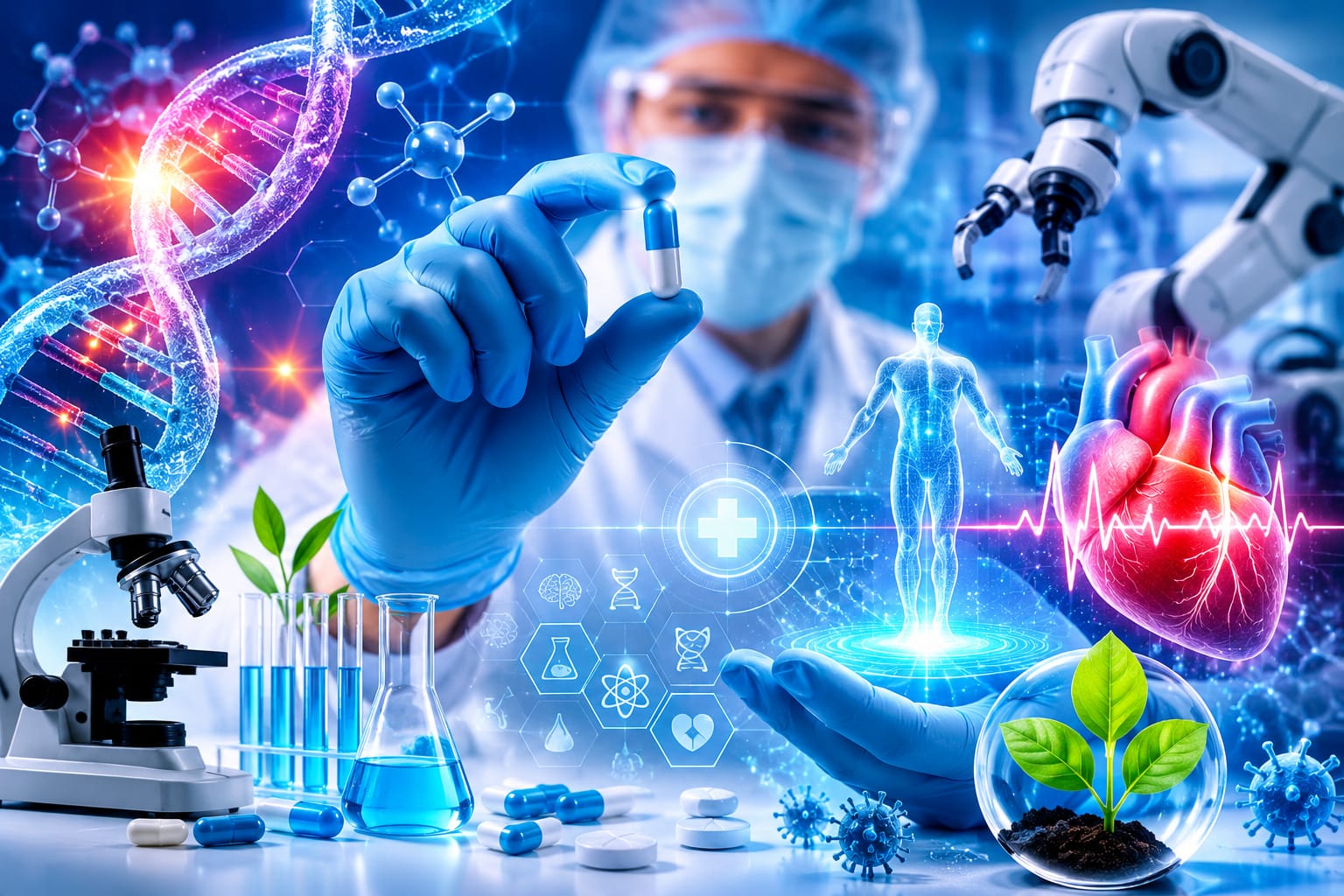
Medical science is changing fast. New discoveries are helping us diagnose, treat and prevent diseases in ways. Technology, genetics, artificial intelligence and biomedical research are making it possible to improve care and help people live longer.
In 2026 researchers over the world are working hard to develop new treatments improve diagnosis and create personalized healthcare plans. These new discoveries are helping doctors give care to their patients and giving hope to people with serious illnesses.
The Importance of Medical Research
Discoveries are the basis of modern healthcare. Continuous research helps scientists understand diseases better find ways to treat them and improve existing treatments.
Every new medical discovery starts with years of research in laboratories, clinical studies and testing to make sure new treatments are safe and effective before they are available to patients.
Artificial Intelligence Is Revolutionizing Healthcare
Artificial intelligence is one of the innovations in medicine. AI systems can look at images find abnormalities help doctors diagnose diseases and even predict health risks using patient data.
Hospitals are using intelligence to work more efficiently reduce mistakes in diagnosis and support healthcare professionals in making faster and more accurate decisions.
Advances in Gene Therapy
Gene therapy is a promising field in modern medicine. Of just treating symptoms gene therapy tries to fix or replace faulty genes that cause certain inherited diseases.
Researchers are studying gene-based treatments for disorders blood diseases and some types of cancer giving hope for long-term or even permanent solutions.
Personalized Medicine Is Changing Patient Care
Traditional treatments often follow the approach for all patients. Personalized medicine is different because it tailors treatments to an individuals makeup, lifestyle and medical history.
This approach allows doctors to choose therapies that’re more likely to work and reduces unwanted side effects.
Progress in Cancer Research
Cancer research is one of the active areas of medical science. Scientists are developing targeted therapies, immunotherapies and advanced diagnostic tools that help detect cancer and improve treatment outcomes.
Detecting cancer early significantly increases the chances of treatment making ongoing research very important in the fight against cancer.
Better Diagnostic Technologies
Modern diagnostic tools are faster, more accurate and less invasive. Advanced imaging technologies, portable medical devices and improved laboratory testing help doctors identify diseases at stages.
Early detection often leads to treatment and better long-term health outcomes for patients.
Regenerative Medicine and Stem Cell Advances
Regenerative medicine is opening doors in the treatment of damaged tissues and organs. Scientists are making progress in using stem cells to repair or replace tissues affected by injury, disease or aging. This field has potential for conditions such as spinal cord injuries, heart disease and degenerative disorders. With research regenerative therapies may soon become a standard part of modern healthcare.
Nanotechnology in Modern Healthcare
Nanotechnology is changing how diseases are diagnosed and treated at a small level. Tiny nanoparticles are being developed to deliver drugs to affected cells improving treatment effectiveness and reducing side effects. In diagnostics nano sensors are helping detect diseases at early stages even before symptoms appear. This technology is expected to play a role in the future of precision medicine and targeted therapy.
Breakthroughs in Vaccine Development and Disease Prevention
Vaccine research is advancing rapidly with scientists developing next-generation vaccines that offer longer-lasting protection against infectious diseases. New technologies such as mRNA platforms and nanoparticle-based delivery systems are making vaccine production faster and more adaptable to emerging viruses. These innovations are strengthening preparedness and improving the ability to prevent future outbreaks before they spread widely.
Wearable Health Technology
Smartwatches and wearable medical devices are becoming healthcare tools. These devices can monitor heart rate, blood oxygen levels sleep quality, physical activity and other important health indicators.
Continuous monitoring enables both patients and healthcare providers to detect health issues before they become serious.
Challenges Facing Medical Innovation
Despite the progress medical research faces challenges. Developing medicines requires years of research extensive clinical trials and significant financial investment. Ensuring access to advanced treatments also remains a major concern, particularly in developing countries.
Ethical considerations, patient privacy and the responsible use of intelligence continue to be important discussions within the healthcare community.
The Future of Medicine
Experts believe that future healthcare will become more preventive, personalized and technology-driven. Artificial intelligence, robotics, regenerative medicine and advanced biotechnology are expected to play greater roles in disease prevention and treatment.
Collaboration between scientists, healthcare professionals, governments and technology companies will continue to drive innovation and improve outcomes worldwide.
New medical discoveries are changing healthcare. Improving the lives of millions of people around the world. From intelligence and gene therapy to personalized medicine and advanced diagnostic technologies scientific innovation continues to reshape the future of medicine.
Although challenges remain ongoing research offers hope for effective treatments, earlier disease detection and longer healthier lives. As medical science continues to advance these discoveries will play a role, in building a healthier future for generations to come.