

Introduction
Social issues and politics are closely connected. Political decisions often affect how societies address problems and improve people’s lives. Social issues are challenges that affect individuals, communities, or entire nations. Politics involves the processes through which governments create laws and policies to address these concerns.
Understanding political and social issues is crucial because they shape how people live, work, and interact with one another. These issues influence access to opportunities, resources, and rights, making them important topics for every citizen.
In today’s world, educating people about political and social issues is more important than ever. Awareness and education help citizens make informed decisions, participate in democratic processes, and contribute to positive social change. By understanding these issues, people can work together to build fairer, more inclusive, and more prosperous societies.
The Relationship Between Social Issues and Politics
Social issues and politics are deeply interconnected. Governments create policies and laws that affect various aspects of life, including education, healthcare, employment, housing, and social welfare. Political leaders and institutions play a vital role in addressing social challenges and ensuring that citizens have access to opportunities and resources.
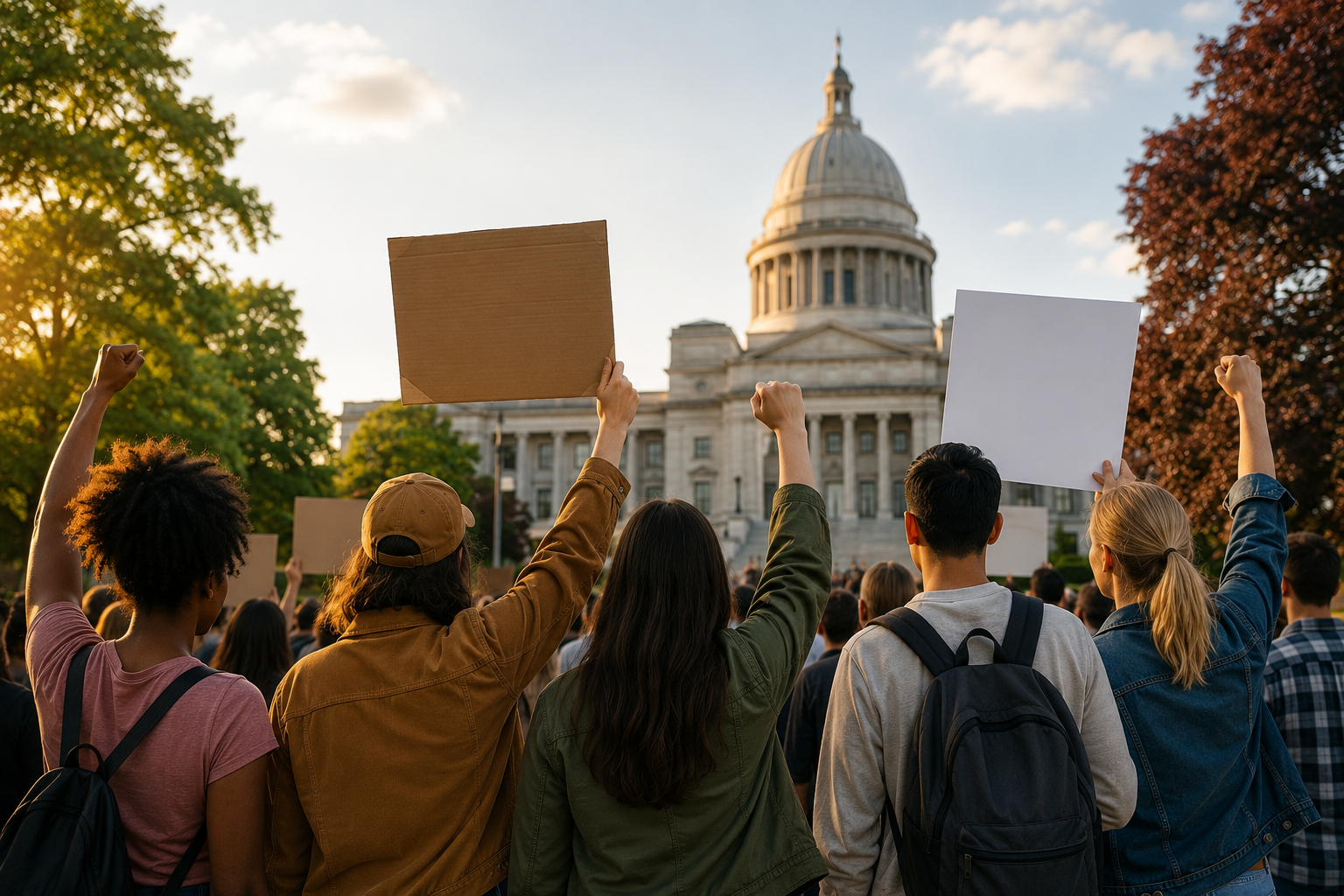
At the same time, social movements and public opinion significantly influence political decisions. Throughout history, people have organized campaigns, protests, and advocacy efforts to promote justice, equality, and human rights. These collective actions have often led to important social and political reforms. Therefore, active citizen participation is essential for creating effective policies and promoting social progress.
Racial Justice and Inequality
Racial justice and inequality remain major social issues around the world. Racial discrimination occurs when individuals or groups are treated unfairly because of their race, ethnicity, or cultural background. Despite significant progress in many countries, racial inequality continues to affect access to education, employment, healthcare, and economic opportunities.
Promoting racial justice means ensuring fair treatment, equal rights, and equal opportunities for all individuals regardless of their background. Governments, educational institutions, businesses, and communities must work together to eliminate discrimination, encourage diversity, and promote social inclusion.
Creating equitable societies benefits everyone by fostering understanding, reducing social tensions, and enabling individuals to reach their full potential.
Women’s Rights and Gender Equality
Women’s rights and gender equality are among the most important social and political issues of our time. Although considerable progress has been made, women and girls in many parts of the world still face challenges such as unequal pay, limited access to education, workplace discrimination, and gender-based violence.
Gender equality means providing equal rights, opportunities, and treatment to all individuals regardless of gender. When women have equal access to education, employment, leadership positions, and healthcare services, societies experience economic growth, social stability, and improved quality of life.
Promoting women’s rights is not only a matter of fairness but also a key factor in achieving sustainable social and economic development.
Healthcare and Public Policy
Healthcare is a fundamental aspect of social welfare and public policy. Access to affordable, high-quality healthcare enables individuals to live healthier lives and contribute positively to society.
Public policy plays a critical role in determining how healthcare systems operate. Governments are responsible for developing policies that ensure citizens have access to medical services, preventive care, health education, and essential treatments.
Effective healthcare policies help reduce disease, improve life expectancy, and enhance overall community well-being. Investing in healthcare is therefore one of the most important responsibilities of modern governments.
The Role of Education and Public Awareness
Education is one of the most powerful tools for addressing social and political issues. Through education, individuals gain knowledge, critical thinking skills, and a deeper understanding of their rights and responsibilities as citizens.
Public awareness campaigns also help inform people about important social challenges and encourage constructive dialogue. Educated citizens are better equipped to participate in democratic processes, evaluate policies, and advocate for positive change.
Awareness promotes civic engagement, encourages tolerance, and helps individuals understand the experiences and challenges faced by different communities. As a result, education contributes significantly to social harmony and national development.
The Importance of Civic Participation
Active civic participation is essential for a healthy democracy. Citizens can contribute to social and political change by voting, engaging in community activities, supporting advocacy organizations, and participating in public discussions.
When people take an active role in civic life, governments become more accountable and responsive to public needs. Civic engagement strengthens democratic institutions and ensures that diverse voices are represented in decision-making processes.
By participating in society, individuals help shape policies that reflect the interests and values of their communities.
Conclusion
Social issues and politics have a profound impact on both individuals and societies. Challenges such as racial inequality, gender discrimination, healthcare accessibility, and social justice require thoughtful policies, public participation, and collective action.
Educating people about social and political issues is crucial for building informed and responsible communities. By understanding topics such as racial justice, inequality, women’s rights, gender equality, healthcare, and public policy, individuals can contribute to meaningful change and help create a fairer and more inclusive world.
Ultimately, positive social change depends on awareness, education, civic participation, and a commitment to equality and justice. When citizens and governments work together, societies can overcome challenges and build a better future for everyone.