

Introduction
Personal hygiene is one of the important habits children can learn at an early age. Good hygiene practices help prevent illnesses boost self-confidence and promote a lifestyle. Parents and teachers play a role in helping children develop these essential habits. By teaching hygiene in an engaging way adults can help children carry these practices into adulthood.
Why Personal Hygiene Matters
Personal hygiene is more than looking clean. It protects children from germs, bacteria and infections that can cause illness. Children often spend time in schools, playgrounds and public places where they come into contact with surfaces and people. Proper hygiene reduces the risk of spreading diseases. Helps children stay healthy.
Good hygiene also contributes to well-being. Children who maintain cleanliness often feel more confident in situations. They are less likely to experience embarrassment caused by breath, body odor or unclean clothing. Learning these habits early creates a foundation for lifelong health and self-care.
Teaching the Importance of Handwashing
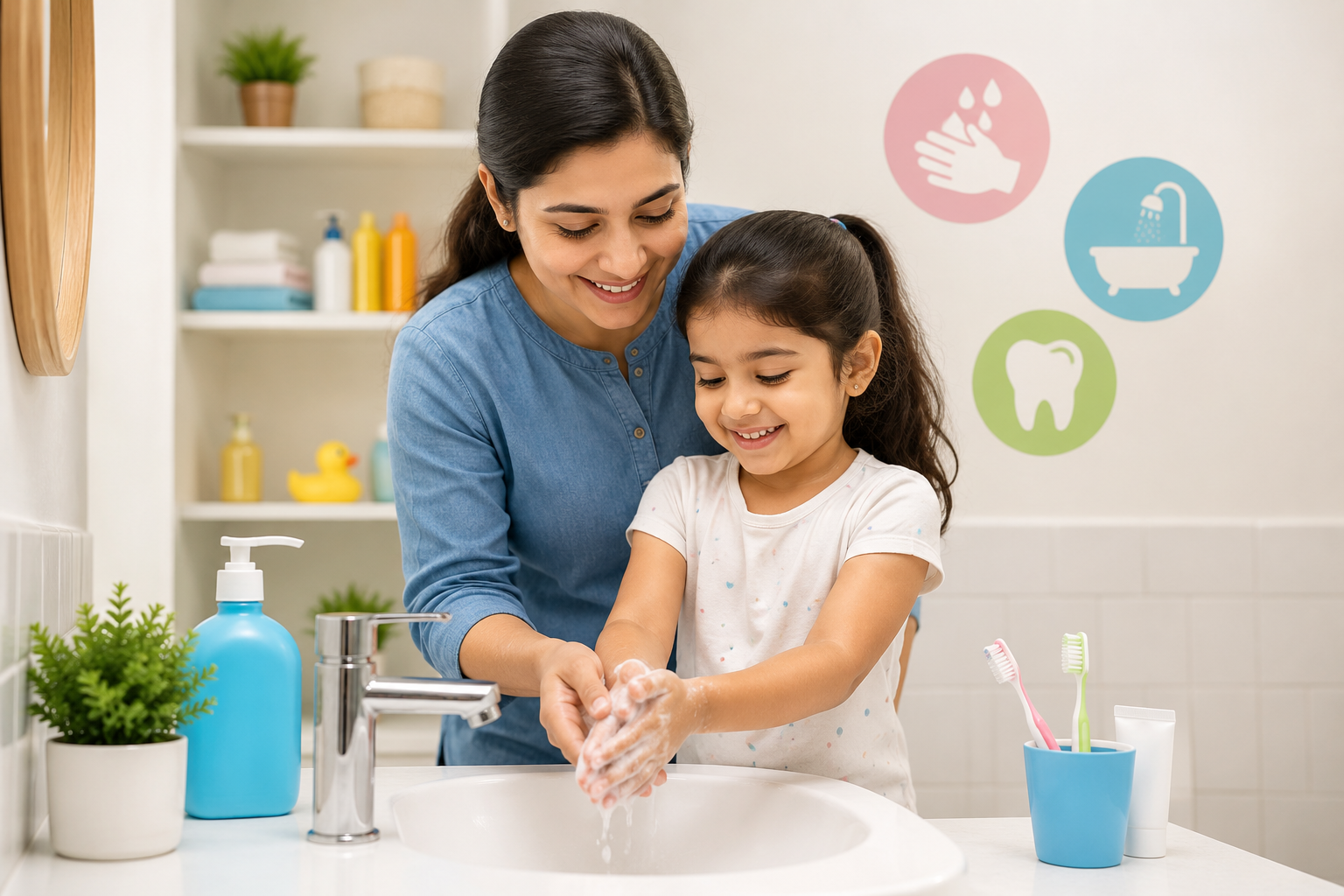
Handwashing is one of the most effective ways to prevent the spread of germs. Children should learn to wash their hands before eating after using the restroom after playing and after coughing or sneezing.
Parents can make handwashing fun by using soaps singing short songs or creating routines around washing hands. Handwashing is very important. Children should be taught to use soap and water scrub for least twenty seconds and rinse thoroughly. Demonstrating handwashing techniques helps children understand the process and encourages consistency.
Encouraging Daily Bathing Habits
Regular bathing keeps the body clean. Removes dirt, sweat and bacteria. While younger children may need assistance they should gradually learn how to wash themselves. Parents can explain the importance of cleaning parts of the body including the face, underarms and feet.
Bath time can become a routine rather than a chore. Using child- products and maintaining a consistent schedule can help children view bathing as a normal and important part of everyday life. Daily bathing is very important for children.
Teaching Oral Hygiene
Healthy teeth and gums are essential for health. Children should learn the importance of brushing their teeth twice a day and flossing regularly. Poor oral hygiene can lead to cavities, gum problems and discomfort.
Parents should demonstrate brushing techniques and supervise younger children until they can brush effectively on their own. Choosing toothbrushes with colors or cartoon characters can make the experience more enjoyable. Regular dental checkups should also be encouraged to maintain health and identify problems early. Oral hygiene is very important.
Keeping Nails Clean and Trimmed
Children often touch objects throughout the day allowing dirt and germs to collect under their fingernails. Keeping nails short and clean reduces the risk of infections. Prevents children from accidentally scratching themselves.
Parents can include nail care as part of a hygiene routine. Teaching children not to bite their nails is equally important as this habit can transfer germs directly into the body. Keeping nails clean is very important.
Wearing Clean Clothes
clothing is another important aspect of personal hygiene. Children should understand that clothes can collect sweat, dirt and bacteria throughout the day. Wearing clothes helps maintain cleanliness and prevents unpleasant odors.
Parents can teach children to place clothes in a laundry basket and develop simple habits related to clothing care. As children grow older they can gradually learn responsibilities such as organizing and caring for their belongings. Wearing clothes is very important.
Teaching Coughing and Sneezing Etiquette
Children should learn how to cover their mouths and noses when coughing or sneezing. Using a tissue or the inside of the elbow helps prevent germs from spreading to others.
Explaining how illnesses can spread through droplets can help children understand why these habits matter. Parents and teachers should consistently model behavior as children often learn by observing adults. Coughing and sneezing etiquette is very important.
Making Hygiene Education Fun
Children respond best when learning feels enjoyable than forced. Storybooks, videos, games and reward charts can make hygiene lessons more engaging. Positive reinforcement often works better than criticism when encouraging habits.
Parents can celebrate achievements, such as remembering to brush teeth without reminders or washing hands independently. These positive experiences help children develop a sense of responsibility and pride in maintaining cleanliness.
Leading by Example
Children are highly influenced by the behavior of adults around them. Parents, caregivers and teachers should practice hygiene themselves. When children see adults washing their hands brushing their teeth and maintaining cleanliness they are more likely to follow these behaviors.
Consistency is key. Daily routines and repeated reminders help transform hygiene practices into habits. Patience is also important as children may take time to fully understand and adopt these behaviors.
Conclusion
Teaching children about hygiene is an investment in their health, confidence and future well-being. Simple habits such as handwashing, brushing teeth bathing regularly and wearing clothes can significantly improve a childs quality of life. By making hygiene education positive, engaging and consistent parents and educators can help children develop habits that will benefit them throughout their lives. Good personal hygiene is not about cleanliness—it is, about building a healthy and responsible lifestyle from an early age. Personal hygiene is very important.