

Introduction
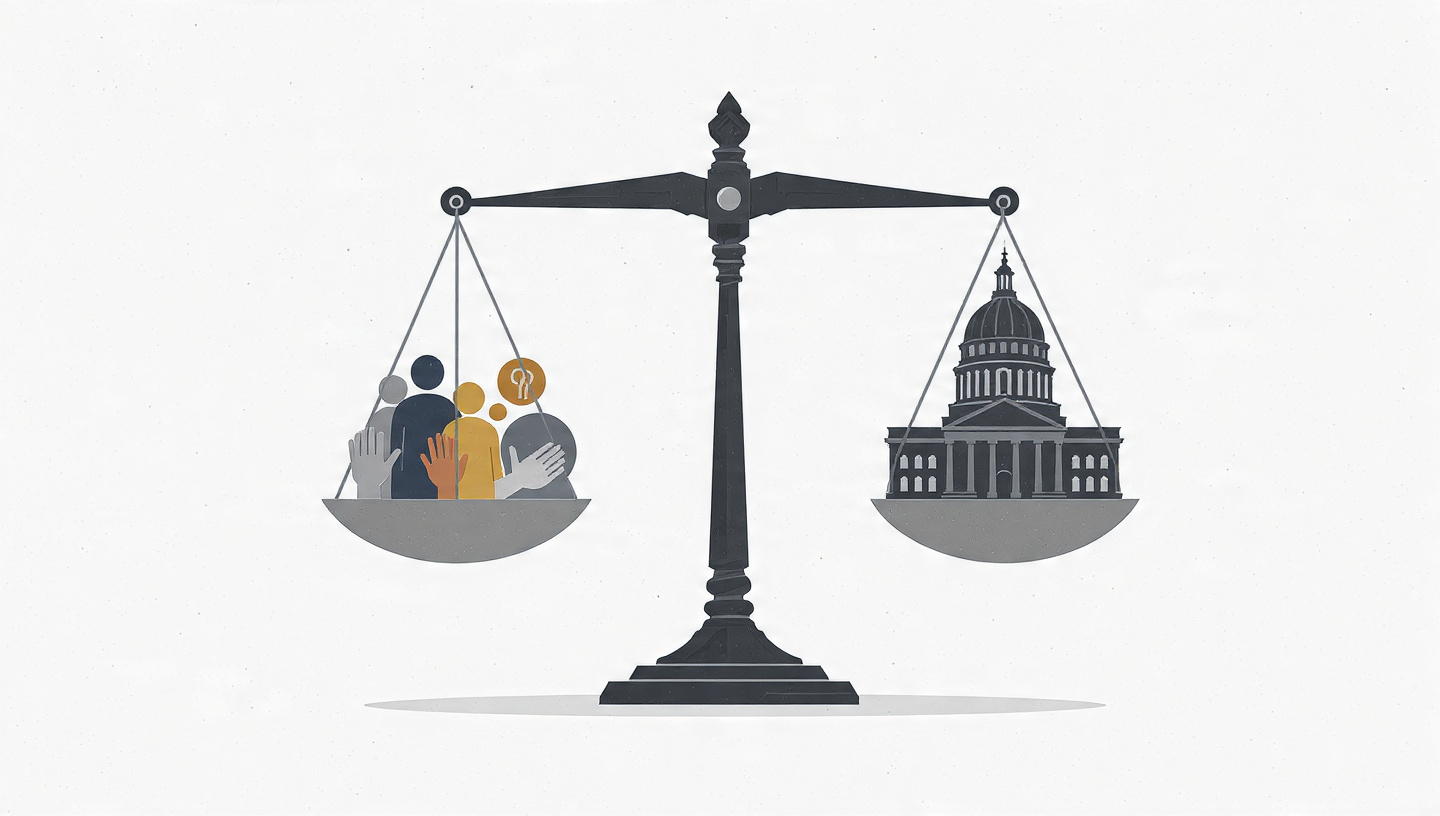
Problems and politics are closely tied because the government makes the laws decides how money is spent and creates policies to address the issues that affect peoples lives. While social problems come from the struggles that people face like being poor treated unfairly or not having access to healthcare politics is the way that power is used to solve or make these problems worse. This article looks at how social problems and politics intersect. Affect each other.
1. Understanding the Basics
To see how social problems and politics are connected we need to look at each one and then see how they overlap.
Social Problems: These are issues that hurt a lot of people in a community and are often seen as wrong or unfair. They are problems that people experience every day before they become part of a policy. Examples include poverty, racism, violence against women, mental health issues and the effects of climate change. Social problems are identified by communities, -profit organizations, researchers and activists long before they are discussed by lawmakers.
Politics: This refers to the actions and decisions made by the government to manage the country distribute resources and keep order. Politics determines who gets what, when and how. It includes elections, lobbying, making laws interpreting laws and implementing policies. Politics does not create problems but it decides whether or not to address them and how to do so.
2. Key Areas Where Social Problems and Politics Meet
The decisions made by politicians have an impact on peoples lives turning personal struggles into public debates. Here are three areas where this intersection is most visible.
Economic. Public Policy
The way wealth is distributed is not a result of the market but is heavily influenced by the political system from tax laws to labor laws.
The Social Problem: Big gaps in wealth lead to food insecurity, lack of clean water, unstable housing and cycles of poverty that last for generations. In places the richest 1% get more new wealth than the bottom 50% combined. This means that children go to school hungry families have to choose between medicine and rent and entire neighborhoods have no chance of improving their situation.
The Political Response: Governments control the minimum wage, tax brackets rules for capital gains and social safety nets. Politicians constantly debate whether to reduce regulations or increase government-funded welfare programs to reduce poverty. Pilot programs for a basic income, housing-first policies and student debt forgiveness are all political responses to economic social problems. On the hand budget cuts and tax cuts for the rich are also political choices that can make inequality worse or better.
Discrimination and Civil Rights Laws
Social hierarchies often exclude minority groups based on race, gender, caste, religion, disability or sexual orientation. These exclusions do not stay “social” for long as they become political when someone demands change.
The Social Problem: Marginalized groups face discrimination at work, high rates of violence access to legal protections and erasure from culture. This is evident in hiring data sentencing disparities, maternal mortality rates and who is believed in court.
The Political Response: Real social change often requires laws to be passed. Historical milestones like civil rights acts, gender equality laws, marriage equality rulings, disability access laws and affirmative action policies show how political power can dismantle social structures. However politics can also make them worse. Laws that require voter ID restrict bathroom use and limit curriculum are tools used to define who belongs. Courts, legislatures and executives all become battlegrounds for defining citizenship.
Global Environmental Degradation
Climate change has become one of the volatile political issues of our time because its effects are social.
The Social Problem: Rising temperatures and pollution disproportionately affect low-income populations destroying livelihoods, flooding neighborhoods and creating millions of climate refugees. The people who contribute the least to emissions often pay the price. Drought leads to migration, which leads to instability.
The Political Response: Addressing crises requires international agreements like the Paris Agreement and national regulations on carbon emissions, vehicle standards and energy grids. However political lobbying by fossil fuel and agribusiness entities often stalls the legislation needed to transition to energy. Subsidies, cap-and-trade systems and infrastructure bills are all instruments that determine whether a community adapts or suffers.
3. How Social Problems Change the Landscape
While politics shapes society social movements actively push for change in the political system. The feedback loop works both ways.
[Social Awareness/Crisis] → [Grassroots Mobilization] → [Political Action/Legislation] → [New Social Reality]
Grassroots Mobilization: When a social problem reaches a breaking point. Like the murder of George Floyd, school shootings or factory collapses. Citizens come together to advocate for change. Hashtags become movements and local grief becomes pressure.
Shifting Election Agendas: Movements like youth climate strikes, labor unions, Me Too and civil rights marches quickly change opinion forcing political candidates to include these social problems in their platforms. Politicians who ignore them lose relevance or office.
Institutional Accountability: Public outrage over issues like police accountability, corporate corruption or pandemic mismanagement can destabilize governments leading to major legal and electoral overhauls. Protests lead to commissions, which lead to policy which leads to norms.
Summary of Core Dynamics
Dimension Primary Social Problem Primary Political Tool. Economy Income inequality and poverty Progressive taxation minimum wage laws, social safety nets. Human Rights Discrimination based on gender, race or class Civil rights laws, judicial precedent, anti-bias mandates.
Environment Climate change and resource depletion Carbon regulation, international treaties, clean energy subsidies. Public Health Access to healthcare and pandemics Healthcare funding, insurance mandates, regulatory policy. Education Unequal school funding and curriculum battles Budget allocation, federal standards, school board elections.
Conclusion
Politics and social problems are connected in a cycle. A societies health is reflected in its priorities and a states laws show who it values and who it neglects. Ignoring problems does not make them apolitical; it just shifts the cost to the most vulnerable.