

Introduction
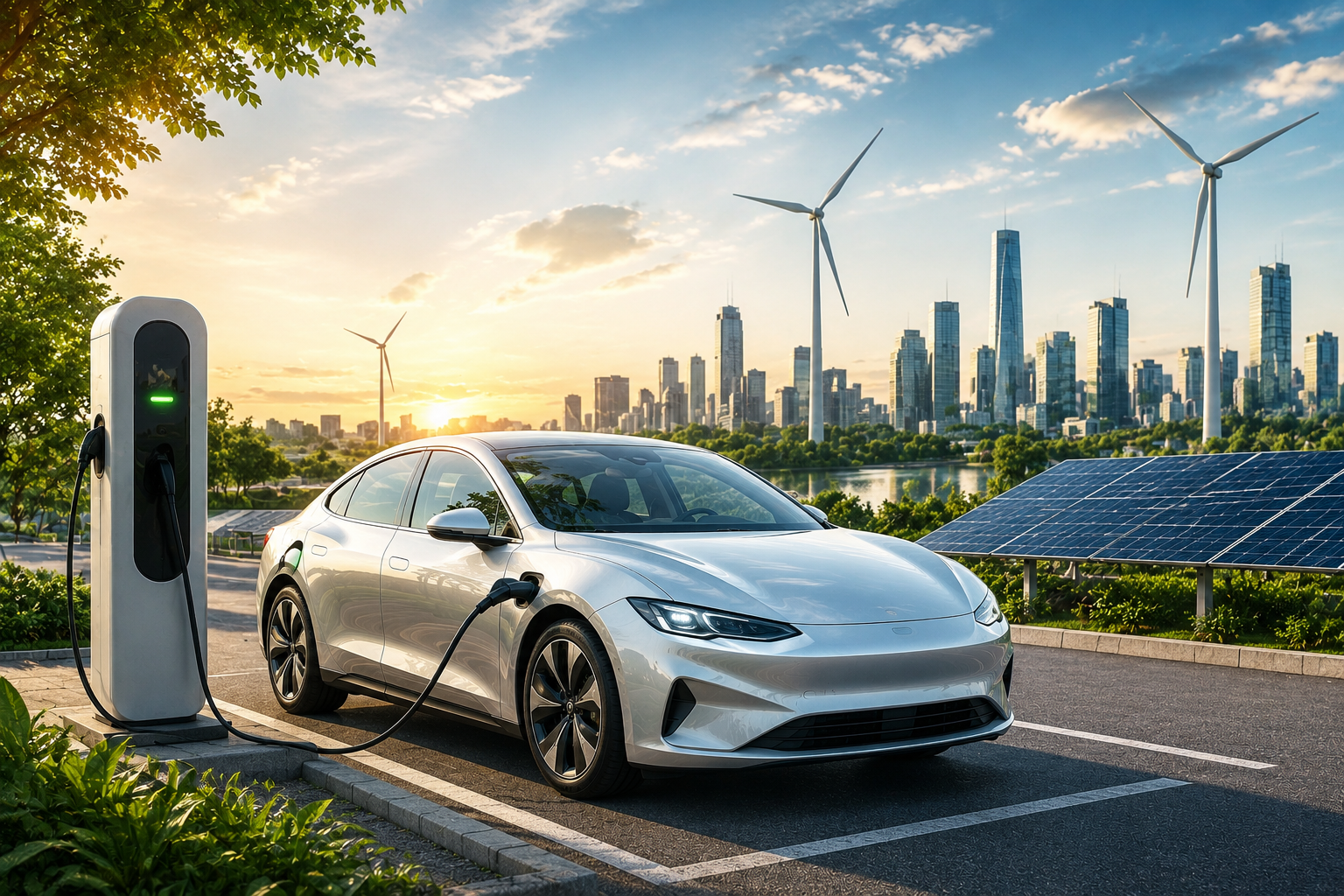
The Electric vehicles (EVs) are becoming one of the most important innovations in modern transportation. With its growing awareness of climate change, air pollution, and the need for a more sustainable future, EVs present a greener and cleaner option than gasoline or diesel-powered cars. Electric vehicles are powered by rechargeable batteries, which emit very little or no direct pollution and contribute to the reduction of environmental impacts from transportation. The future of EVs is brighter than ever, with rapid technological progress, growing government incentives and consumer awareness.
Increasing Electric Vehicle use.
EVs have increased in popularity over the last decade. The advantages of EVs are their environmental friendliness, cost efficiency, and technological advantages, which have made them a preferred choice for more consumers. Companies like Tesla, Ford, Volkswagen, Hyundai and BMW are investing in EVs, and new EV models are gaining ground because of the growing demand.
In addition, various governments around the globe are promoting EV adoption with various incentives, subsidies, and investments in charging stations. In the next few years, several countries have announced a plan to sell fewer or no cars powered by internal combustion engines. Such efforts are contributing to the shift to cleaner transportation solutions.
The rising price of fossil fuels is another reason for the rise in EV sales. Overall, the cost of electricity is typically lower than that of gasoline or diesel, which can result in significant savings for EV drivers over time. Furthermore, EVs have fewer moving parts than traditional cars, which results in lower maintenance costs.
Technological Advancements
Technological advancements are key to the advancement of EVs. In recent years, battery technology, especially, has taken a great leap forward. New technology lithium batteries have extended driving ranges, rapid charging and greater durability. The more efficiently batteries are produced, the cheaper they become and the more people can afford to buy an EV.
A particularly promising innovation is the creation of solid state batteries. The next-generation batteries could be more energy-dense and charge quicker, as well as be more safe than conventional lithium-ion batteries. Solid-state batteries have the potential to improve the performance of EVs and help drive their adoption, which makes them a potentially exciting commercial product if they are successful.
Expansion of charging infrastructure is also proceeding extremely fast. Cities, shopping centers, workplaces, and along highways, etc. are seeing more public charging stations. The fast-charging technology enables drivers to charge their EVs in significantly less time, making EV travel more convenient for long journeys.
Furthermore, electric cars are integrating more and more of the smart features that are becoming commonplace in navigation systems, artificial intelligence, remote monitoring, and software updates provided remotely. These technologies offer efficiency, enrich the driving experience and are more user-friendly.
Environmental Benefits
Electric cars are good for the environment – one of the key benefits. Old cars emit air pollutants and greenhouse gases that can cause climate change and air pollution. The electric vehicles, on the other hand, generate zero tailpipe emissions, lessening pollution of the environment.
EVs can also help to make cities cleaner by lowering the amount of smog and improving air quality. This is especially relevant in areas of high density urbanisation, where vehicle exhaust is a significant source of pollution. Improvements in air quality can result in better public health and reduce the rates of respiratory diseases.
Moreover, electric vehicles help in the shift to renewables like solar and wind energy. The greener the electricity grid, the more beneficial the overall environmental impact of EVs will be. Clean transportation with renewable energy is a crucial part for the world to meet its sustainability objectives.
Facing the challenges of EVs
While EVs offer numerous advantages, they also come with some drawbacks. One of the primary issues is the lack of charging stations in certain areas. Although urban areas can easily find charging stations, rural areas might not have enough charging stations.
Lithium, cobalt, and nickel are also needed for battery production. With increasing demand, there are concerns about the sustainability of these resources and the environmental impacts of mining operations. Efforts are underway to develop new battery chemistries and recycling processes to overcome these problems.
One of the hurdles is the initial cost of most EV purchases, which is often higher than that of conventional cars. Operating costs will be lower, but some consumers may value the initial cost. However, continued technological improvements and larger production volumes are expected to reduce costs in the future.
Conclusion
The potential for EVs is very bright. The EV industry is rapidly expanding as a result of developments in battery technology, the increasing charging infrastructure, government regulations, and a greater focus on environmental protection. There are challenges (infrastructure, batteries sustainability) to be overcome but continuous innovations are helping address those challenges.
With the world becoming more environmentally conscious and seeking sustainable transportation options, EV’s are likely to become a staple in daily life. They are a crucial part of the future of mobility, owing to their emission reduction potential, high energy efficiency, and contribution to a more renewable energy integrated system. From the automotive industry to a cleaner and greener future for generations to come, EVs are playing a pivotal role in reshaping our world.