

Introduction
The way people do their jobs has changed a lot over the few years. What started as a fix for a big problem has turned into a long-term change in the way people work. Millions of people who used to go to offices every day found out that they could still get their work done from home. At the time companies realized that they could save money and make their employees happier by being more flexible.
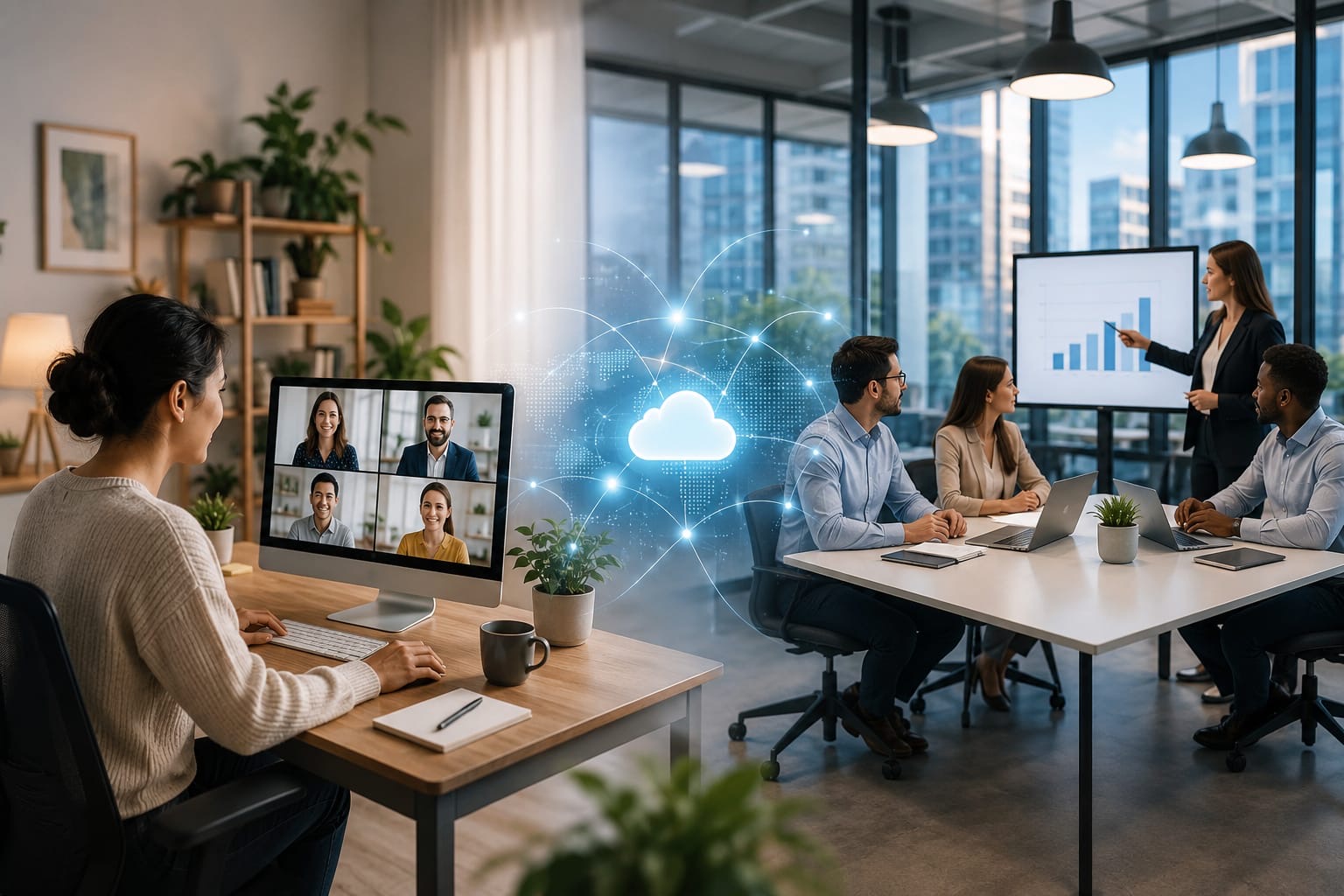
As companies adapted a new way of working appeared. Work. This means that people do not have to work from the office or only from home. They can do a bit of both. For example they might go to the office a days a week to work with their colleagues and then work from home on the other days.
Now the big question for companies and employees is whether hybrid work is a fad or if it is here to stay. Some companies have asked their employees to come to the office full-time but many others are still investing in hybrid workplaces and flexible work policies.
This article is about the future of working from home the rise of workplaces and the good and bad things about them. We will also look at whether hybrid work’s likely to become the normal way of working in the future.
Understanding Hybrid Work
Hybrid work is a way of working where people split their time between the office and working from home.
There are a few ways that companies do hybrid work:
* Some companies have fixed schedules, where people have to go to the office on days.
* Some companies are more flexible. People can choose when they want to go to the office.
* Some companies have team-based schedules, where different departments go to the office on days.
* Some companies are remote-first which means that people only have to go to the office for meetings or events.
Hybrid work is not about getting rid of offices. It is about finding a balance between being flexible and still being able to work with people face-to-face.
Why Hybrid Work Became So Popular
One of the reasons that hybrid work became so popular is that technology made it easier for people to work from home. Things like video calls, cloud computing and instant messaging made it possible for people to communicate with each other from anywhere.
At the time people found that working from home had a lot of benefits such as:
* More time with their families
* Less stress from commuting
* A better balance between work and life
* Less money spent on transportation
* More flexibility
Benefits for Employees
One of the reasons that hybrid work is still growing in popularity is that it has a big positive impact on employees.
Better Work-Life Balance
People can take care of their responsibilities without having to sacrifice their work. Parents can spend time with their kids and people can go to appointments or take care of things at home without having to take time off work.
This flexibility can also lead to mental health and less stress.
Less Time Spent Commuting
Commuting can take up a lot of time and energy. Hybrid workers only have to commute a days a week which means they have more time and money to do other things.
Increased Productivity
Some people find that they can focus better when they are working from home. They can get work done without being distracted by things that happen in the office.
Benefits for Employers
Hybrid work is not just good for employees. It also has a lot of benefits for companies.
Lower Operational Costs
Companies can save money on things like:
* Office space
* Electricity
* Maintenance
* Office supplies
* Parking
Some companies have even downsized their offices. Saved a lot of money.
Wider Talent Pool
Companies are no longer limited to hiring people who live near their office. They can hire people from over the world, which means they have access to a bigger pool of talented workers.
Higher Employee Retention
When companies are flexible and trust their employees they are more likely to stay with the company. This means that companies do not have to spend much money on recruiting and training new employees.
Improved Business Continuity
Companies that have work systems in place are better prepared for unexpected things that might happen such as natural disasters or pandemics.
Technology Driving Hybrid Work
Technology has made hybrid work possible. Some of the tools that make it work include:
* Cloud storage
* Video conferencing
* AI-powered scheduling
* Digital project management
* Virtual whiteboards
* Document collaboration platforms
* Cybersecurity solutions
* Workflow automation
Artificial intelligence is also changing the way people work by automating tasks summarizing meetings and scheduling appointments.
Challenges of Hybrid Work
Hybrid work is not without its challenges.
Communication Gaps
When people work from home they might miss out on conversations that happen in the office. This can lead to misunderstandings if companies do not have communication systems in place.
Company Culture
Building a company culture can be harder when people are not in the office together. Companies have to make an effort to create opportunities for people to work together and engage with each other.
Performance Measurement
Managers have to change the way they measure performance. Of looking at how many hours people work they have to look at what they actually accomplish.
Cybersecurity Risks
When people work from home they are more vulnerable to cyber attacks. Companies have to invest in things like:
* Multi-factor authentication
* VPNs
* Employee cybersecurity training
* Secure cloud platforms
* Regular software updates
The Role of Artificial Intelligence
Artificial intelligence is becoming a part of hybrid workplaces. It can help people by:
* Summarizing meetings
* Drafting emails and reports
* Automating tasks
* Scheduling meetings
* Translating conversations
* Providing customer support
* Helping with data analysis
of replacing workers AI is helping them to be more productive and focus on more important tasks.
The Future of Work
The future of work is likely to be flexible and adaptable. Technology will continue to change the way people work and communicate with each other. Offices will become more focused on collaboration and creativity while people can work on tasks from home.
Companies that are adaptable invest in technology and prioritize their employees will be more successful in the future.
Hybrid work is no longer a temporary solution. It is becoming a part of the way people work. It has a lot of benefits for both employees and employers such as flexibility, work-life balance and cost savings. While there are challenges, such as communication and cybersecurity these can be addressed with leadership and technology.
Conclusion
The successful companies will be the ones that recognize that there is no one-size-fits-all approach to work. The future of work is, about creating environments where people can do their best work. Hybrid work is here to stay. It will continue to shape the way people work for years to come.