

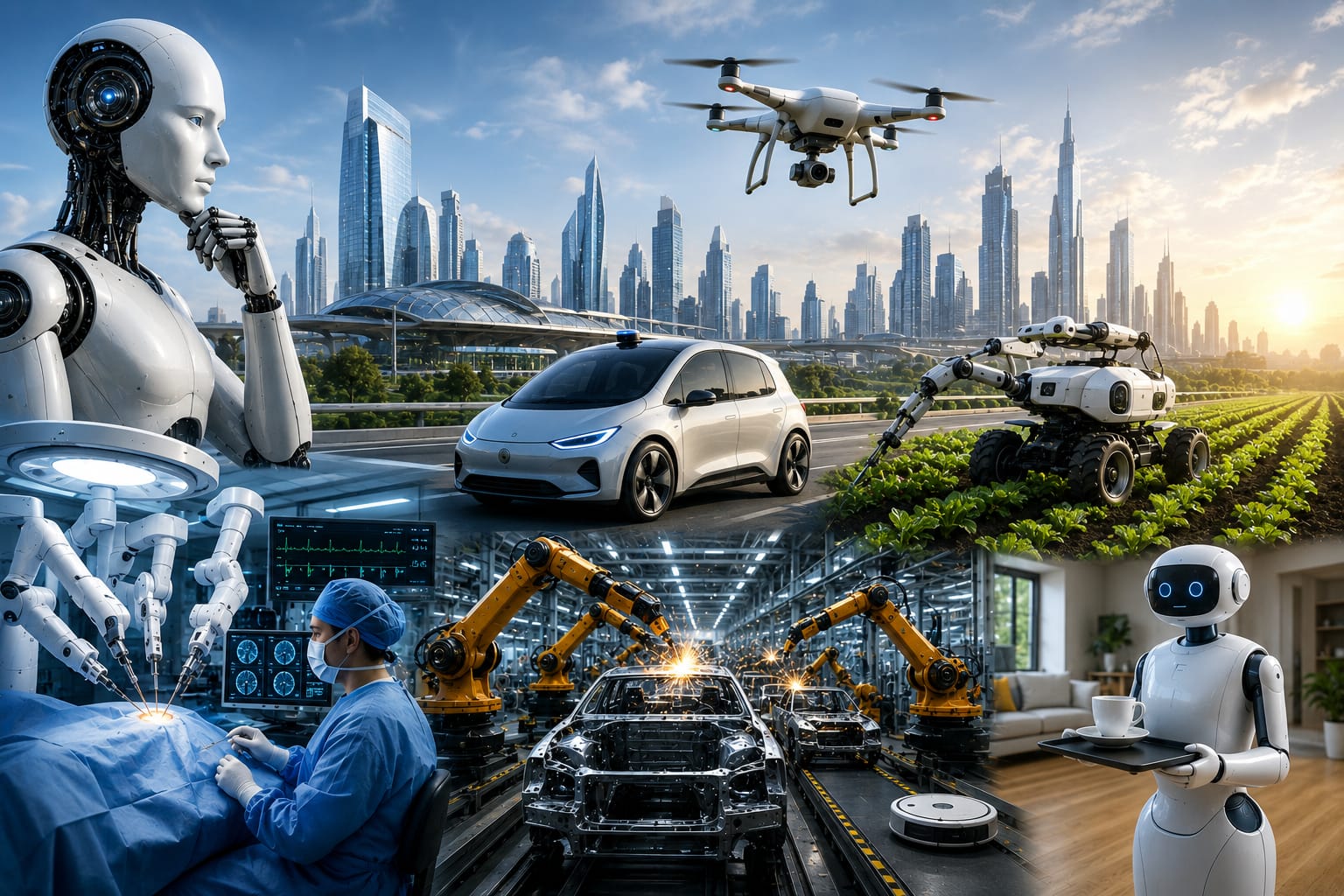
Robotics is a field that is growing fast. It is changing the way people live, work and interact with the world. A robot is a machine that can do things on its own or with a help from people. Over time robots have become much smarter. They can learn, adapt and make decisions with the help of intelligence. As a result robots are used in industries, hospitals, homes, farms, space exploration and even schools.
As technology gets better the future of robotics is going to change the world in ways we never thought possible. We might see cars that drive themselves robots that do surgeries and machines that help us at home. While these new things offer good things they also raise important questions about jobs, ethics, privacy and how people and machines interact.
The Evolution of Robotics
A time ago robots were simple machines that did the same tasks over and over. At first they were mainly used in factories to build things, weld metal and lift objects. This made work faster reduced mistakes. Made workplaces safer.
Today robots are used in more areas. They have sensors, cameras and artificial intelligence that help them understand their surroundings and make decisions. They can also recognize voices identify objects move around on their own and even talk to people in a way.
Robotics in Healthcare
One of the exciting uses of robotics is in healthcare. For example robots help doctors do surgeries with precision and smaller cuts, which helps patients recover faster and with less pain. Robots are also used in rehabilitation to help people recover after injuries or strokes.
In hospitals robots deliver medicine carry supplies, clean rooms and help doctors and nurses with their tasks. In the future they might even keep an eye on patients all the time find diseases and provide personalized treatment with the help of artificial intelligence.
Robotics in Industry and Manufacturing
Factories use a lot of robots. Smart robots can work all the time without getting tired which makes production faster and more accurate. They are used to put things pack goods check quality and manage warehouses.
In the future factories will use collaborative robots also known as cobots that work with people instead of replacing them. This will let workers focus on things innovate and solve complex problems while robots do the repetitive tasks.
Robotics in Agriculture
Farming is also changing because of robotics. Farmers use robots to plant seeds check on crops put on fertilizers remove weeds and harvest fruits and vegetables. This helps increase food production reduce waste and lower labor costs.
Looking ahead agricultural robots might use drones, advanced sensors and artificial intelligence to check the soil predict the weather and manage water. This will make farming more efficient and good for the environment.
Robotics in Homes and Daily Life
Robots are becoming more common in our homes. We already have robots that clean floors, cut grass and help with household chores. In the coming years robots might also cook meals take care of family members help people with disabilities and even keep us company.
Personal robots could also help students study remind people about appointments check on health and do many everyday tasks. Overall these new things will make daily life easier, safer and more convenient.
Robotics in Space Exploration
Robots play a role in space exploration because they can go to places that are too dangerous or too far away for people. For example spacecraft and planetary rovers have helped scientists learn more about the Moon, Mars and other planets. They collect data, study rocks and soil. Send valuable information back to Earth.
As space exploration grows robots will likely build homes, fix equipment find resources and get places ready before astronauts arrive. This will make long-term space missions more practical.
Benefits of Robotics
The future of robotics has advantages. Importantly robots can do dangerous tasks in places like mines, nuclear plants and disaster zones which helps keep people safe. They can also work faster make mistakes and operate all the time without getting tired.
Besides industry robotics is also improving healthcare, education and agriculture. Robots help save lives through surgeries support students with learning and improve food production. Overall robotics has the potential to improve the quality of life for millions of people around the world.
Challenges and Ethical Concerns
Despite its benefits robotics also has some challenges. One of the concerns is that robots might replace some jobs. As automation grows many workers will need to learn skills and adapt to changing industries.
There are also ethical issues related to privacy, decision-making and responsibility. Robots that make decisions on their own must be programmed to operate fairly. Therefore governments, scientists and technology companies must work together to create rules that protect people while encouraging innovation.
At the time many people worry that society might become too dependent on machines. Although robots can help us in ways they should never replace human qualities like empathy, creativity, compassion and critical thinking.
Conclusion
The future of robotics is full of possibilities. As intelligence machine learning and automation get better robots will become even more intelligent, adaptable and part of everyday life. They will change healthcare, manufacturing, agriculture, education, transportation and space exploration making many tasks safer, faster and more efficient.
However the future of robotics depends on development and ethical use. We must balance progress with human values making sure that robots remain tools that support people rather than replace them. Ultimately with planning, good education and responsible innovation robotics can help create a smarter safer and better future, for everyone.