

Introduction
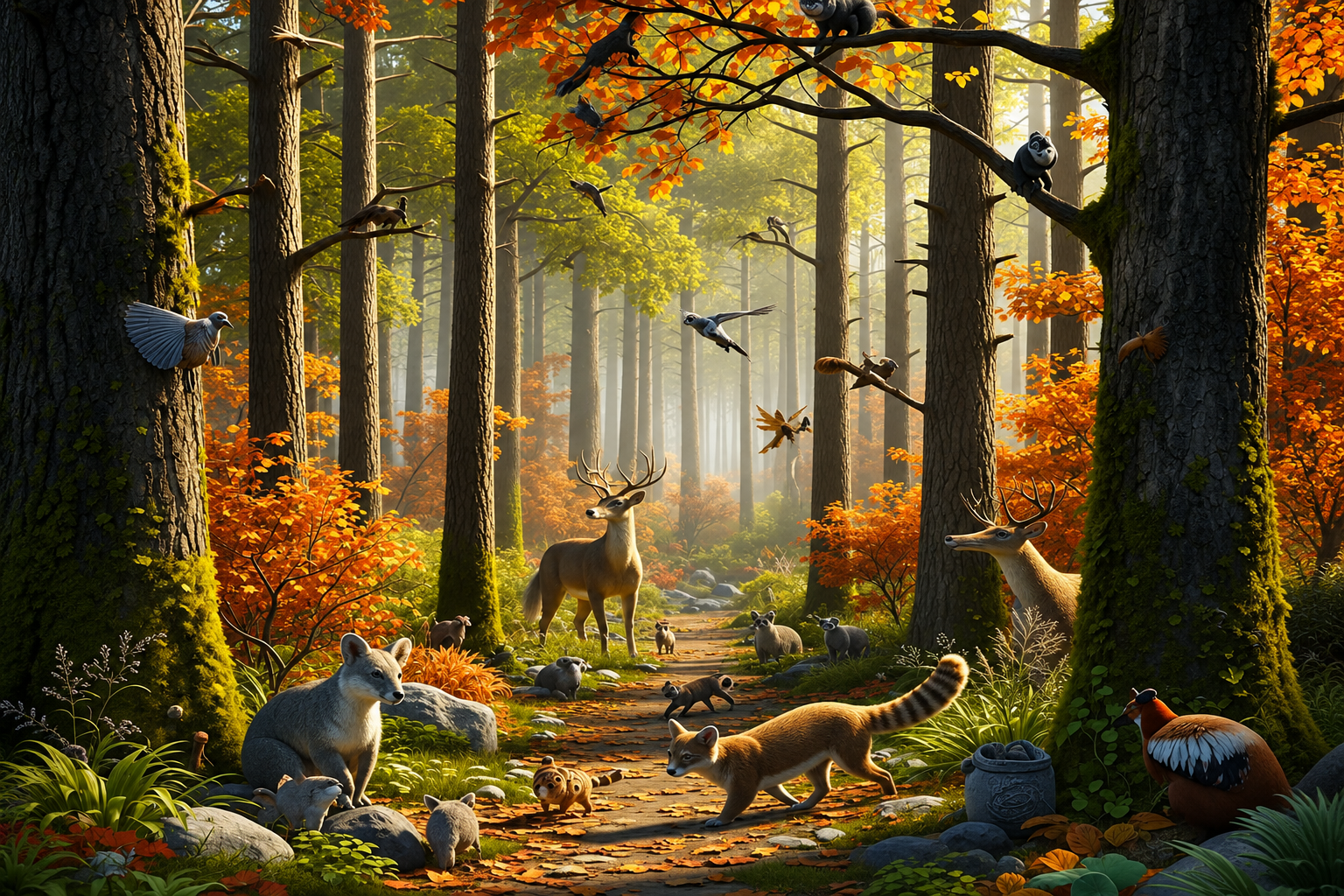
Forest ecosystems are truly amazing. They cover a large part of the Earth’s land surface and are home to countless plants, animals, fungi, and microorganisms. Forests are often called the “lungs of the Earth” because they absorb carbon dioxide and release oxygen, making life possible for all living beings.
Forests are essential for the environment. They provide food, medicine, shelter, fuel, and employment to millions of people. A forest ecosystem is like a team where every tree, insect, bird, animal, and tiny microorganism works together to keep nature healthy and balanced.
Forests are not only beautiful but also incredibly useful. They support wildlife, regulate the climate, protect natural resources, and improve the quality of human life.
What is a Forest Ecosystem?
A forest ecosystem is a natural environment made up of trees, plants, animals, microorganisms, soil, water, and air that interact with one another. Together, these components create a balanced and self-sustaining system.
Forest ecosystems differ depending on their location and climate. Some forests are hot and receive heavy rainfall, while others are cold and covered with snow.
The major types of forests include:
- Tropical Forests: Found near the equator, these forests receive heavy rainfall and are home to an incredible variety of plants and animals.
- Temperate Forests: These forests experience four distinct seasons and contain both deciduous trees, which shed their leaves, and evergreen trees, which remain green throughout the year.
- Boreal Forests (Taiga): Located in colder regions, these forests mainly consist of evergreen trees such as pine and spruce.
- Mangrove Forests: Found along coastlines, mangrove forests protect the shoreline from erosion and provide habitats for many marine species.
Each type of forest has unique characteristics and plays an important role in maintaining the Earth’s ecological balance.
Rich Biodiversity
One of the greatest wonders of forest ecosystems is their rich biodiversity. Forests are home to more than 80 percent of the world’s terrestrial species. From towering trees and colorful flowers to insects, birds, mammals, reptiles, and microorganisms, forests support an incredible variety of life.
Every living organism has an important role in the ecosystem. Bees and butterflies pollinate flowers, birds help disperse seeds, and microorganisms break down dead plants and animals, returning nutrients to the soil. If even one species disappears, it can affect many others. This shows how important it is to protect every living organism in the forest.
Climate Regulation
Forests play a vital role in regulating the Earth’s climate. Trees absorb carbon dioxide from the atmosphere and store carbon in their trunks, branches, roots, and soil. This helps reduce the effects of global warming.
Forests also contribute to the water cycle by releasing water vapor into the atmosphere, which helps form clouds and produce rainfall. In addition, forests provide shade and release moisture, making the surrounding environment cooler. Cities with more trees and green spaces are generally cooler and have better air quality.
Soil Conservation and Water Protection
Healthy forests help protect the soil from erosion. Tree roots hold the soil together and prevent it from being washed away during heavy rainfall. Fallen leaves and dead plants decompose into organic matter, making the soil richer and more fertile.
Forests also act as natural water filters. Rainwater passes through the forest floor, where it is naturally cleaned before reaching rivers, lakes, and underground water sources. Forests reduce the risk of floods by absorbing rainwater and releasing it slowly during dry seasons.
Habitat for Wildlife
Forests provide food, shelter, and breeding grounds for countless species of animals. Different layers of the forest support different forms of life. The forest floor is home to insects, reptiles, fungi, and small mammals, while the trees provide shelter for birds, monkeys, squirrels, and many other animals.
Many endangered species depend entirely on forests for survival. Protecting forests means protecting wildlife and preserving biodiversity for future generations.
Economic and Social Importance
Forests contribute greatly to the economy. They provide timber for construction, paper, furniture, and many other products. Forests also supply fruits, medicinal plants, honey, rubber, and other valuable natural resources.
Millions of people depend on forests for their livelihoods. Forests also encourage tourism, as national parks and wildlife sanctuaries attract visitors who enjoy nature, hiking, and wildlife observation.
Forests and Human Health
Forests have many benefits for human health. Spending time in forests helps reduce stress, improve mood, and promote physical and mental well-being. Trees purify the air by producing oxygen and removing harmful pollutants.
Many important medicines are made from plants found in forests. Scientists continue to discover new medicinal plants that may help treat various diseases.
Threats to Forest Ecosystems
Despite their importance, forest ecosystems face many threats. Large-scale deforestation caused by agriculture, urban development, mining, and illegal logging destroys millions of trees every year.
Climate change has also increased the frequency of droughts, wildfires, and pest attacks. Pollution, invasive species, and habitat destruction further weaken forest ecosystems and threaten wildlife.
Conservation and Sustainable Management
Protecting forests requires the combined efforts of governments, communities, and individuals. Sustainable forest management helps ensure that forests continue to provide environmental, social, and economic benefits.
Some important conservation measures include:
Preventing illegal logging and deforestation.
Creating more national parks and protected areas.
Planting more trees through reforestation programs.
Supporting indigenous communities that protect forests.
Promoting environmental education and awareness.
Reducing paper waste and encouraging recycling.
The Role of Individuals
Every person can help protect forests. We can plant trees, reduce paper consumption, recycle, and choose environmentally friendly products. Supporting organizations that work to conserve forests and spreading awareness about environmental protection can also make a positive difference.
Even small actions can have a significant impact when everyone works together.
Conclusion
Forest ecosystems are among the greatest natural wonders of our planet. They provide clean air, fresh water, fertile soil, food, medicine, and habitats for millions of living organisms. They regulate the climate, support biodiversity, and improve the quality of human life.
However, forests are under constant threat from deforestation, pollution, and climate change. It is our responsibility to protect these valuable ecosystems for future generations. By planting trees, conserving natural resources, and supporting sustainable practices, we can help forests continue to thrive.
Forests are much more than collections of trees—they are living ecosystems that sustain life on Earth. By caring for forests today, we ensure a healthier, greener, and more sustainable future for everyone.