

Introduction
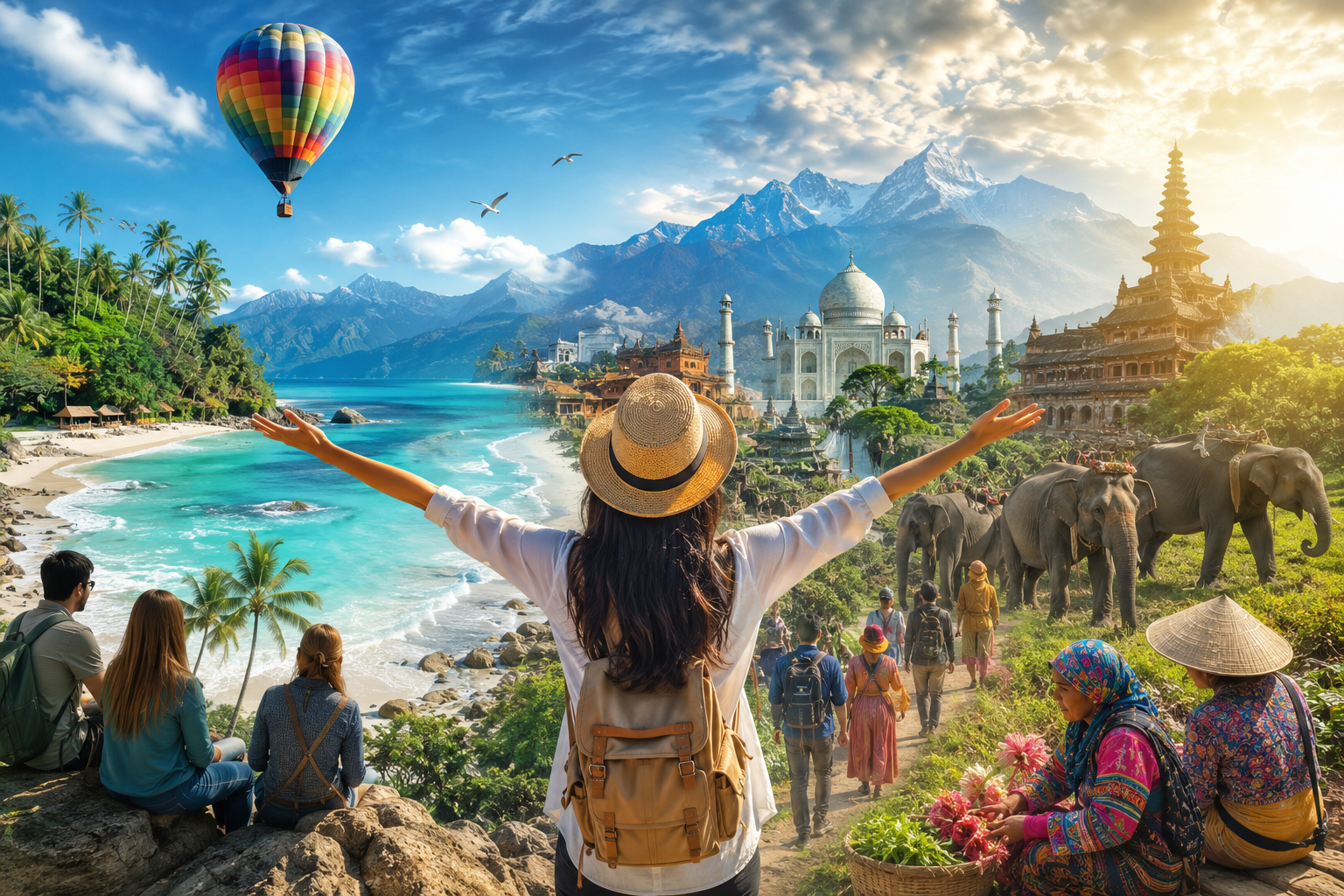
Travel and tourism are fundamental parts of life today, enabling people to see new places, visit new cultures, and take a break from their daily routine. Tourism is not just about leisure; it also helps promote economic development, cultural diversity, and environmental consciousness. Traveling in today’s world has become more than just a pastime—it is a chance to unwind, learn, and grow. A daily trip or short break can help people get away from stress and refresh their minds.
Travel as a Stress Relief Tool
One of the best aspects of travel and tourism is that it allows individuals to escape from the stress of everyday life. Stress and burnout are common due to work pressure, household responsibilities, and constant digital engagement. Travel provides a much-needed mental break from these challenges. Whether it is a weekend getaway or a long vacation, traveling helps people disconnect from routine life and focus on relaxation. Exploring new places, enjoying natural beauty, and spending quality time with family and friends improves mental well-being and restores energy. As a result, travelers often return home feeling refreshed, motivated, and more productive.
The Significance of Cultural Experiences
Travel is not only about visiting places; it is also about discovering cultures and traditions. Cultural tourism helps individuals explore the history, customs, language, and lifestyle of different communities around the world. Visiting museums, tasting local cuisine, attending festivals, and exploring historical landmarks provide deep insights into cultural heritage. These experiences broaden a traveler’s perspective and help develop respect for diversity. Moreover, interacting with local communities builds meaningful connections and promotes global understanding and social harmony.
Economic Advantages of Tourism
Tourism is one of the most important sectors contributing to economic development. It generates revenue for governments and creates employment opportunities in industries such as hospitality, transport, entertainment, and retail. Tourists spend money on hotels, restaurants, travel services, and local markets, which directly supports small and large businesses. In many regions, tourism serves as a primary source of income for local populations. Additionally, tourism encourages infrastructure development such as roads, airports, and public facilities, which improves the overall standard of living for local residents.
The Rise of Ecotourism
In recent years, ecotourism has gained popularity as people become more aware of environmental issues. Ecotourism refers to responsible travel to natural areas that minimizes environmental damage while supporting conservation efforts. Activities such as wildlife observation, trekking, bird watching, and exploring national parks allow tourists to enjoy nature while learning about its protection. Unlike mass tourism, ecotourism encourages sustainable interaction with natural environments. It benefits not only travelers but also ecosystems, biodiversity, and local communities.
Sustainability in Modern Tourism
Sustainability has become a key focus in the tourism industry. Sustainable tourism aims to balance economic growth, environmental protection, and social responsibility while preserving resources for future generations. Important sustainable practices include reducing waste, conserving natural resources, supporting local businesses, and respecting cultural traditions. Tourists can contribute by choosing eco-friendly accommodations, reducing plastic usage, using public transport, and practicing responsible travel habits. By adopting sustainable tourism practices, both tourists and operators can help preserve natural landscapes and cultural heritage for the long term.
Conclusion
Travel and tourism offer far more than entertainment and leisure. They provide mental relaxation, cultural enrichment, and economic development opportunities. Cultural experiences help travelers appreciate diversity, while ecotourism and sustainable tourism encourage responsible behavior toward nature and society. As tourism continues to grow globally, sustainability and cultural respect will become even more important. Responsible travel allows individuals to explore the world meaningfully while protecting its natural and cultural treasures for future generations.