

Introduction
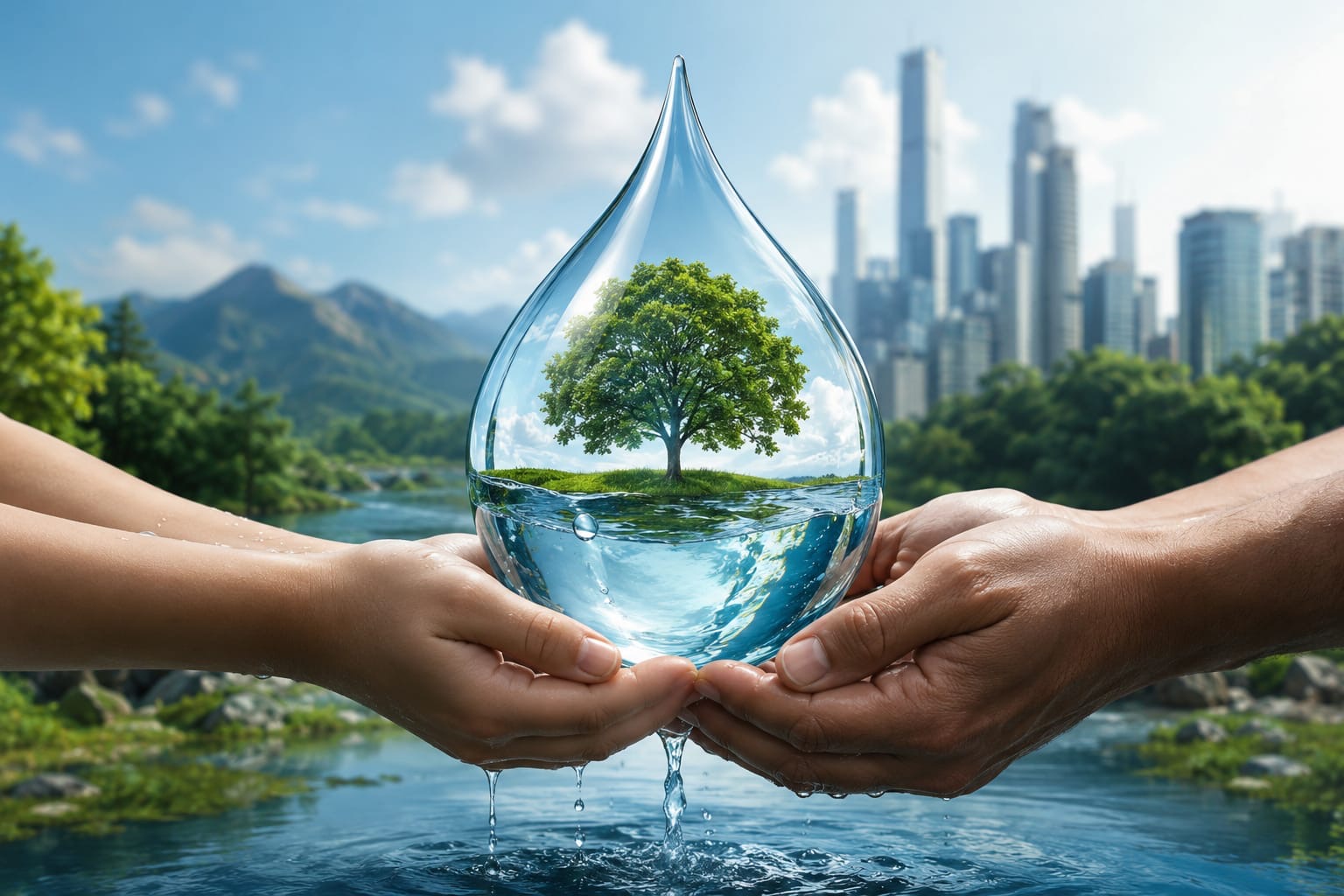
Water is one of the precious things we need. We use it for drinking, farming and industries. We also need to keep our environment clean. Even though 71% of the Earths surface is water 3% is freshwater and an even smaller amount is available for us to use. The growing population, climate change, pollution and wasting water have created a water crisis in parts of the world. So saving water has become very important. Everyone, every community and every government must work together to protect and preserve this resource for now and the future.
What is Water Conservation?
Water conservation means using water to reduce waste and make sure we have enough for the future. It involves using water keeping water bodies clean and managing water resources in a way. Saving water helps meet our needs protects the environment and supports growth. Water conservation is important for our future.
Why is Water Conservation Important?
Saving water is crucial for keeping our ecosystem balanced and ensuring a future. Freshwater resources are limited. The increasing demand has put a lot of pressure on rivers, lakes and groundwater. Here are some key reasons why water conservation is important:
* Ensures the availability of water for generations.
* Reduces the risk of droughts and water shortages.
* Protects rivers, lakes, wetlands and aquatic life.
* Saves energy required for water treatment and distribution.
* Reduces household and agricultural expenses.
* Supports food production by ensuring irrigation.
* Helps combat the effects of climate change.
* Promotes development and environmental protection.
Causes of Water Scarcity
Water scarcity is becoming a concern due to natural and human-made factors. Understanding these causes can help in developing conservation strategies.
1. Population Growth
The increasing population has significantly raised the demand for freshwater for drinking, sanitation, agriculture and industrial use.
2. Climate Change
Irregular rainfall, rising temperatures, melting glaciers and prolonged droughts reduce the availability of freshwater resources.
3. Pollution
Industrial waste, agricultural chemicals, untreated sewage and plastic waste contaminate water bodies making water unsafe for consumption.
4. Overuse of Groundwater
Excessive extraction of groundwater for irrigation and urban development has led to falling water tables in regions.
5. Poor Water Management
Leakages, irrigation systems and lack of awareness result in the wastage of millions of liters of water every day.
Effective Methods of Water Conservation
There are ways to conserve water at home in agriculture, industries and communities
At Home
* Individuals can make a contribution by adopting habits such as:
* Turning off taps while brushing or washing dishes.
* Repairing leaking pipes
* Using water- appliances.
* Collecting rainwater for gardening and cleaning.
* Reusing water wherever possible.
* Washing vehicles using a bucket of a running hose.
* Watering plants during the morning or evening to reduce evaporation.
In Agriculture
* Agriculture consumes a share of freshwater. Efficient farming practices can reduce water consumption.
* Using drip irrigation and sprinkler systems.
* Growing drought-resistant crops.
* Practicing rainwater harvesting.
* Improving soil moisture through mulching.
* Avoiding over-irrigation.
In Industries
* Industries should adopt water management practices.
* Reusing wastewater.
* Installing water- machinery.
* Treating wastewater before discharge.
* Conducting water audits to identify wastage.
At the Community Level
* Communities and local governments play a role in water conservation.
* Building rainwater harvesting systems.
* Protecting lakes, rivers and wetlands.
* Organizing awareness campaigns.
* Planting trees to improve groundwater recharge.
* Encouraging water conservation through education.
Benefits of Water Conservation
Water conservation offers environmental , economic and social benefits.
Environmental Benefits
* Protects habitats and biodiversity.
* Maintains rivers and wetlands.
* Reduces pollution in water bodies.
* Preserves groundwater reserves.
* Minimizes the impact of droughts.
Economic Benefits
* Lowers water and electricity bills.
* Reduces the cost of water treatment.
* Supports agriculture and industries.
* Prevents losses caused by water shortages.
Social Benefits
* Ensures access to drinking water.
* Improves health and sanitation.
* Reduces conflicts over water resources.
* Enhances the quality of life in communities.
Role of Government in Water Conservation
Governments play a role in managing and conserving water resources. Effective policies, infrastructure development and public awareness programs are essential.
Government initiatives should include:
* Promoting rainwater harvesting in areas.
* Constructing dams, reservoirs. Recharge structures.
* Implementing laws against water pollution.
* Encouraging water- farming techniques.
* Investing in wastewater treatment and recycling facilities.
* Conducting awareness campaigns in schools and communities.
* Supporting research and innovation in water management.
Role of Citizens
Every citizen has a responsibility to use water wisely. Small individual efforts can collectively make a difference.
Citizens can contribute by:
* Avoiding water wastage.
* Reporting leaking pipelines.
* Participating in water conservation programs.
* Educating children about water use.
* Supporting environmental protection initiatives.
* Keeping rivers, lakes and ponds free from pollution.
Challenges in Water Conservation
Despite growing awareness several challenges hinder water conservation efforts.
* Lack of awareness.
* Rapid urbanization.
* Climate. Unpredictable rainfall.
* Inadequate water management infrastructure.
* Pollution of freshwater resources.
* Limited adoption of irrigation technologies.
* Excessive dependence on groundwater.
Conclusion
Water is the foundation of life. Conserving it is essential for the survival and prosperity of humanity. The growing water crisis demands action from every section of society. Simple daily practices such as fixing leaks, harvesting rainwater using water- technologies and avoiding pollution can have a lasting impact. Governments must implement policies industries should adopt practices and citizens must embrace responsible water usage. By working we can ensure that clean and sufficient water remains available, for future generations. Water conservation is not merely a responsibility—it is a duty that safeguards life supports economic development and secures a healthier and more sustainable future for all.