

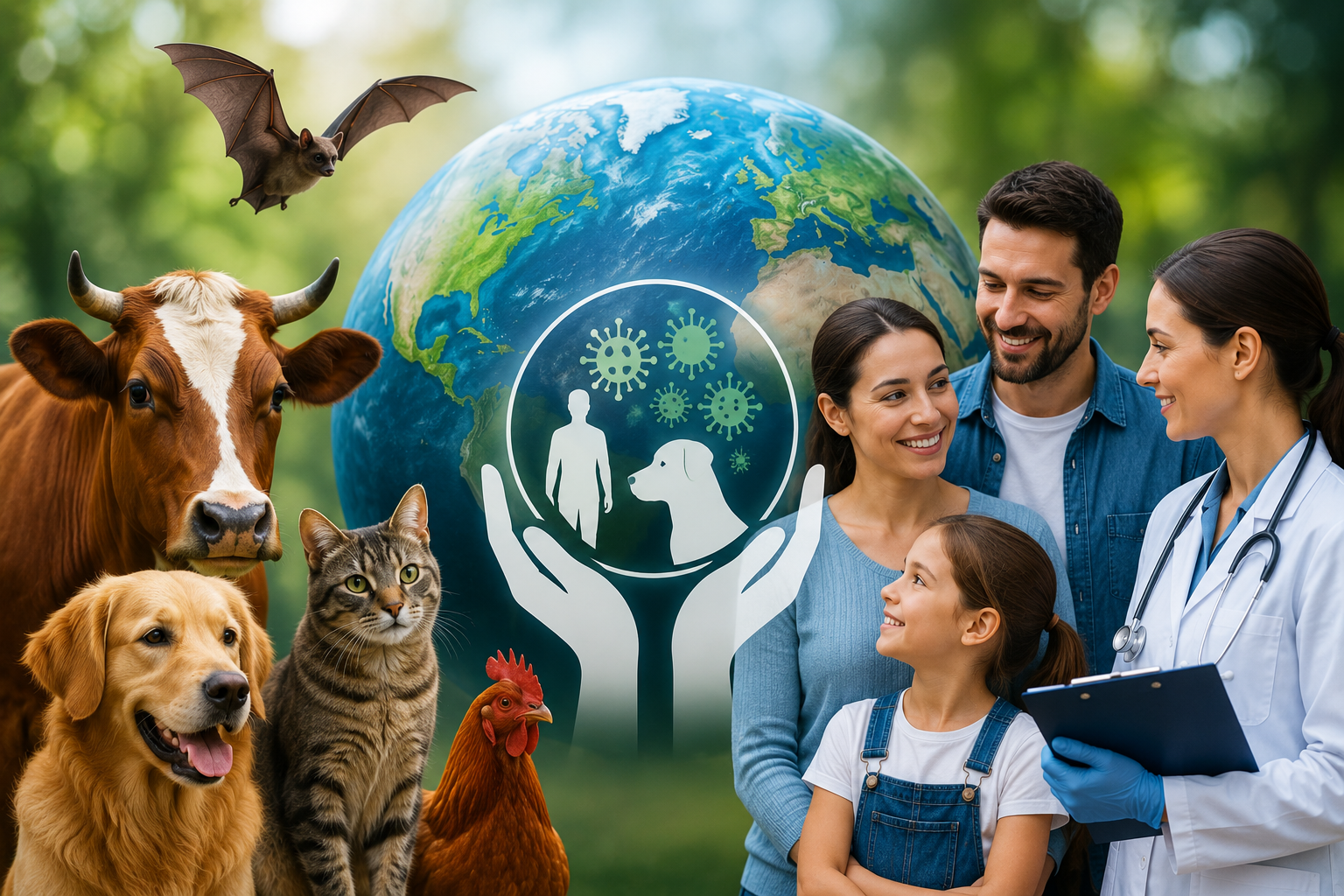
Understanding World Zoonoses Day
World Zoonoses Day is observed every year on 6 July to raise awareness about zoonotic diseases, which are infections that spread between animals and humans. The day marks the anniversary of the successful administration of the first rabies vaccine by French scientist Louis Pasteur in 1885. His breakthrough remains one of the most significant achievements in public health and disease prevention.
This observance highlights the importance of understanding how diseases can move from animals to people and how preventive measures can protect communities around the world.
What Are Zoonotic Diseases?
Zoonotic diseases, also known as zoonoses, are infections caused by bacteria, viruses, parasites, or fungi that can pass between animals and humans. Some well-known examples include rabies, avian influenza, Lyme disease, and certain coronavirus infections.
These diseases can spread through direct contact with animals, contaminated food and water, insect bites, or exposure to animal waste. Because humans and animals share many environments, controlling zoonotic diseases requires coordinated efforts across multiple sectors.
Why World Zoonoses Day Matters
In recent years, global health experts have emphasized the need for stronger surveillance and prevention of zoonotic diseases. Since many emerging infectious diseases originate in animals, early detection and proper management are essential.
World Zoonoses Day encourages governments, healthcare professionals, veterinarians, and the public to work together to reduce health risks. It also promotes awareness about responsible pet ownership, animal vaccination, and safe food practices.
How People Can Help Prevent Zoonotic Diseases
Individuals can take several simple steps to reduce the risk of infection. Washing hands after handling animals, keeping pets vaccinated, cooking food properly, and avoiding contact with sick animals are important preventive measures.
Additionally, regular veterinary care helps identify potential health concerns before they become serious. Communities can also support public health campaigns that focus on disease prevention and animal welfare.
Promoting a One Health Approach
The concept of One Health recognizes that human health, animal health, and environmental health are closely connected. Therefore, effective disease prevention requires collaboration among doctors, veterinarians, scientists, and environmental experts.
By strengthening these partnerships, societies can better respond to health threats and create safer environments for both people and animals.
Conclusion
World Zoonoses Day serves as an important reminder that protecting animal health also protects human health. Through education, responsible practices, and global cooperation, communities can reduce the spread of zoonotic diseases and build a healthier future for everyone.
Read More: July Content Calendar: Festivals, Vrats, and Important International Days