

Introduction discover ho
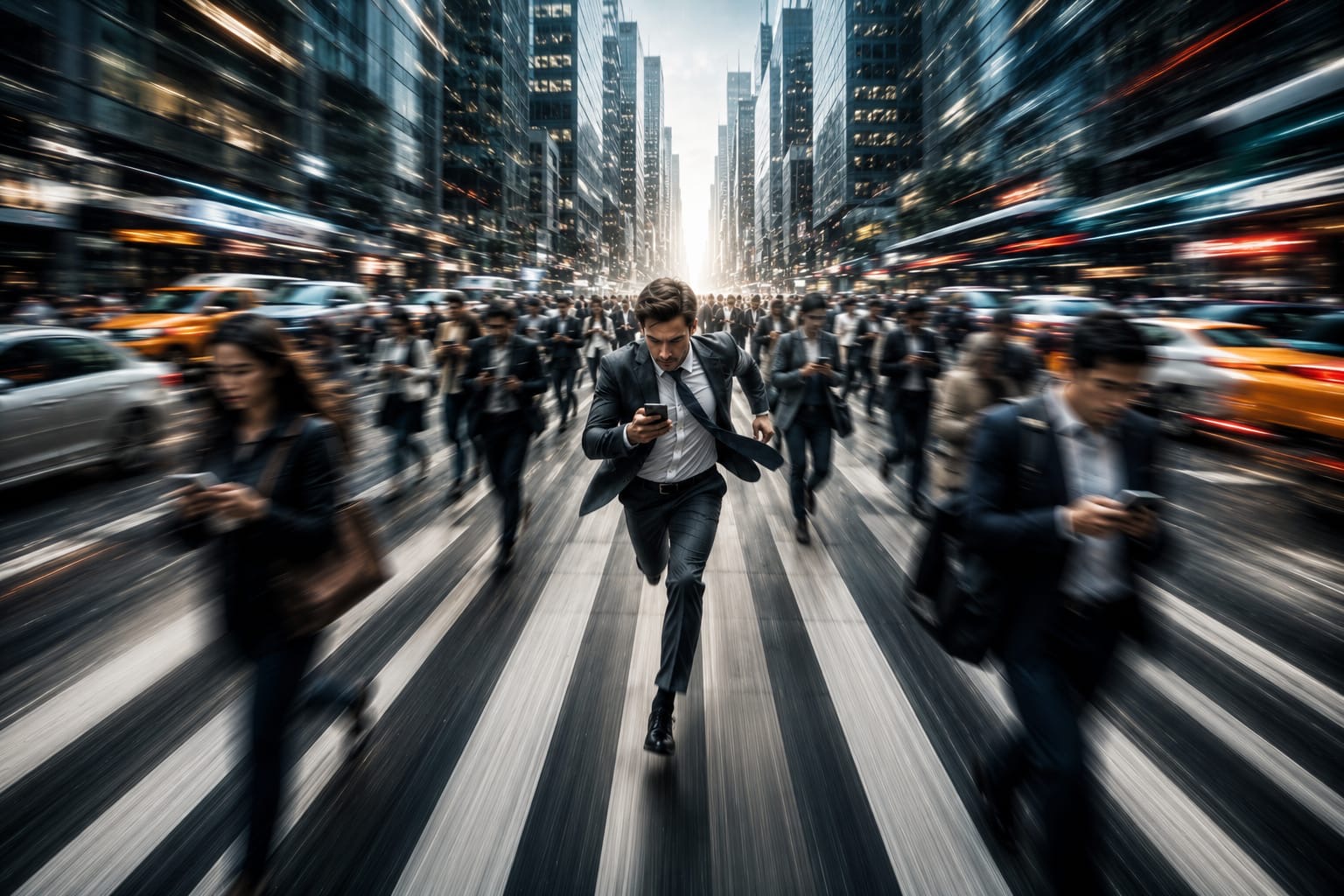
Life is really moving fast. Every day people are rushing from one thing to another trying to save time and get more done. We have internet, instant messaging, express deliveries and fast food. Speed is a part of our lives now. We love getting things done quickly and making progress fast.
Technology has made our lives better in ways. Its made it easy to talk to people travel fast and get information quickly.. This need for speed has also created problems. Many people are stressed, anxious, impatient. Burnt out because they feel like they have to keep up with the fast pace of life.
The idea of “A World Addicted to Speed” is about a society where slowing down is seen as a weakness. Speed has helped us innovate and grow economically. Its also changed how we think, work and interact. We need to understand both the bad sides of this addiction to create a better future.
The Rise of a Paced Society
The industrial revolution started our pursuit of speed and efficiency. Machines replaced labor factories made more products and transportation got faster. Over time technology and science made things faster.
Today, smartphones, artificial intelligence and fast internet let us communicate across the world in seconds. Businesses work all the time online shopping delivers products in a day. Digital payments are instant. People expect everything to happen quickly.
This fast pace has shaped our lives. Students want to learn professionals work under tight deadlines and businesses compete to deliver services fast. Speed is a symbol of success.
Technology: The Engine of Speed
Technology is the reason we’re addicted to speed. Social media gives us instant updates, messaging apps let us talk immediately and search engines answer questions in seconds.
These innovations make life easy. They also make us impatient. We get frustrated if a webpage takes a seconds to load. Many people constantly check notifications, emails and messages worried they’ll miss something.
Streaming services, banking, food delivery apps and ride-sharing platforms make convenience normal. They save time. They also make us expect everything to happen instantly.
The Pressure to Always Be Productive
In todays world being busy is seen as a sign of success. Many people think they have to work achieve more and do things faster. Long working hours, packed schedules and multitasking are common.
Students feel this pressure balancing school, activities, internships and career prep. Professionals face deadlines and entrepreneurs compete in fast-changing markets. The fear of falling makes people work continuously without resting.
Constant productivity has a cost. Lack of sleep stress and mental exhaustion reduce creativity and well-being. Working faster doesn’t always produce results. Quality suffers when speed is the goal.
The Psychological Effects of Speed
Living in a world affects mental health. Deadlines, notifications and information overload increase stress and anxiety. People feel overwhelmed by the pressure to respond quickly and stay connected.
The culture of gratification reduces patience. Many people struggle to enjoy activities that take time and effort like reading or developing relationships. When success doesn’t come quickly people get discouraged.
Social media adds to this by encouraging comparison. Seeing others achieve milestones creates expectations and increases the desire for immediate success. This leads to dissatisfaction even when people are making progress.
The Impact on Relationships
Speed has changed how we communicate. Conversations that once happened face-to-face are now replaced by text messages and quick phone calls.
Digital communication keeps people connected across distances. It reduces the depth of personal interactions. Families spend time on screens than talking to each other. Friends communicate online. Meet less often in person.
Meaningful relationships require time, attention and patience. These qualities are becoming rare in a world focused on efficiency.
Environmental Consequences
Our demand for speed affects the environment. Production, rapid transportation and same-day deliveries require a lot of energy and fuel. Industries prioritize manufacturing over sustainable practices leading to pollution and resource consumption.
Consumer culture encourages people to replace products rather than repairing or reusing them. Electronic waste, plastic pollution and carbon emissions rise.
Adopting more sustainable lifestyles can help reduce environmental damage.
The Value of Slowing Down
Although speed has advantages slowing down has its benefits. Taking time to reflect improves decision-making and creativity. Spending time with family strengthens relationships. Reading, exercising and pursuing hobbies contribute to being.
The “slow movement” promotes living focusing on quality rather than quantity. Slowing down allows individuals to appreciate life fully.
Many successful people recognize that true productivity comes from working with purpose maintaining balance and avoiding burnout.
Finding the Right Balance
The solution is not to reject technology or progress. Instead society must balance speed with mindfulness. Technology should improve life not control it.
Individuals can create habits by limiting screen time taking breaks and prioritizing activities that matter. Schools and workplaces can promote lifestyles by promoting mental health and realistic expectations.
By recognizing that not everything needs to happen people can reduce stress while enjoying the benefits of modern innovation
Conclusion
A world addicted to speed is both an achievement and a challenge. Rapid technological advancements have transformed aspects of life. Speed has made the world more connected, efficient and productive.
However this pursuit of speed has also created stress, impatience weakened relationships and environmental concerns. When every moment is measured by efficiency people risk losing the ability to appreciate lifes pleasures.
The future depends on using speed. Progress should enhance well-being not dominate it. By balancing innovation with patience, productivity with rest and convenience, with mindfulness society can enjoy the advantages of a moving world without becoming controlled by it.
Ultimately the greatest success is not how quickly we move through life but how thoughtfully and meaningfully we live it.