


Chandigarh: Nearly 110 years after the First World War, the names of 9,909 soldiers from undivided Punjab have been officially added to the global records of war casualties. The update marks a major step in recognising thousands of Indian soldiers whose sacrifice remained undocumented for decades.
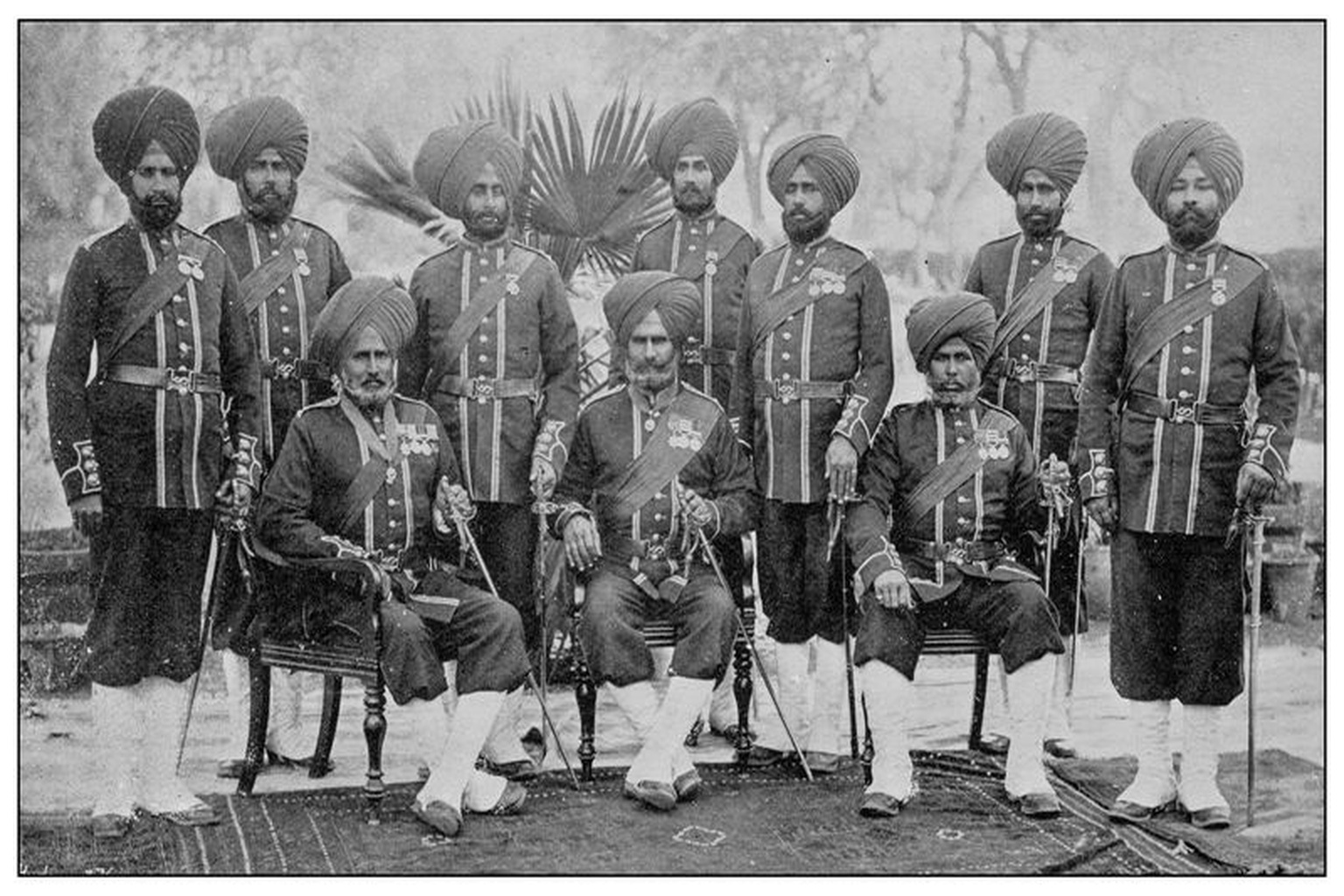
The newly identified soldiers served in the British Indian Army during World War I, which lasted from 1914 to 1918. Historians say many of them came from villages across the region that now includes Punjab, Haryana, Himachal Pradesh, Chandigarh, and parts of present-day Pakistan.
The addition of their names helps correct historical records and gives long-overdue recognition to soldiers who lost their lives during the war.
A Long-Awaited Recognition
Researchers spent years examining military records, archives, and historical documents to identify the missing names. Their work uncovered thousands of soldiers whose deaths had not appeared in official Commonwealth war records.
The latest update adds 9,909 names to the list of World War I casualties. Historians describe the development as one of the largest additions to Commonwealth military records in recent years.
Experts say many records from the colonial period remained incomplete because of poor documentation, changing military systems, and limited communication during wartime.
Punjab’s Major Contribution to World War I
Undivided Punjab played a crucial role in the British Indian Army during World War I. The region supplied a large number of soldiers who fought on battlefields across Europe, Africa, and the Middle East.
Thousands of men from farming families left their villages to serve in the war. They fought in difficult conditions and took part in several major military campaigns.
Many soldiers never returned home. While some received official recognition, others remained missing from historical records for generations.
The newly updated list highlights the scale of Punjab’s contribution to the war effort and honours those whose sacrifices went unnoticed.
Why the Records Matter
Historians believe accurate records are essential for preserving history. The inclusion of these soldiers ensures that future generations can learn about their service and sacrifice.
Families may now find information about relatives whose military service had remained unknown for decades. Researchers also hope the updated records will encourage more studies on the role of Indian soldiers during World War I.
The correction also reflects a broader effort to improve historical documentation and acknowledge contributions from colonial troops who fought in global conflicts.
The Role of Indian Soldiers
More than one million Indian soldiers served overseas during World War I. They fought in France, Belgium, Mesopotamia, East Africa, Gallipoli, and other war zones.
Indian troops earned praise for their bravery under extremely difficult conditions. Many received military honours for their courage. However, historians say their contribution often received less attention than that of European forces.
The recognition of the 9,909 soldiers adds another chapter to India’s military history. It also highlights the important role played by troops from undivided Punjab.
Remembering Their Sacrifice
War memorials across India and abroad honour thousands of Indian soldiers who served during the First World War. The addition of these names strengthens those efforts and helps preserve their legacy.
Historians believe every soldier deserves recognition, regardless of rank or background. They say historical records should reflect the full scale of India’s contribution to the war.
The updated casualty list also reminds people of the human cost of conflict. Thousands of families across Punjab lost fathers, sons, and brothers during the war.
A Step Towards Historical Accuracy
The inclusion of 9,909 soldiers in official World War I casualty records is more than a correction of old documents. It is a tribute to those who served with courage and made the ultimate sacrifice.
For descendants, the update offers long-awaited recognition. For historians, it fills an important gap in military history. For the nation, it honours the bravery of thousands of soldiers whose names deserve to be remembered.
More than a century after the war ended, these men have finally received the place they deserve in history.