


Why Is India Blocking the Film on the Man Who Counted Punjab Insurgency Killings?
The debate over the film Satluj has sparked fresh discussion across India. The movie tells the story of Jaswant Singh Khalra, a human rights activist who investigated alleged illegal killings and secret cremations during Punjab’s insurgency. Although the film briefly appeared on an OTT platform, it soon disappeared from viewers in India. This move has raised questions about censorship, freedom of expression, and how the country remembers difficult events from its past.
Who Was Jaswant Singh Khalra?
Jaswant Singh Khalra was a Sikh human rights activist from Punjab. He spent years investigating cases of people who went missing during the insurgency in the 1980s and early 1990s. While examining official records, he claimed that thousands of unidentified bodies had been cremated without informing their families.
His work attracted attention from human rights groups in India and abroad. Many people praised him for seeking justice for affected families. In 1995, unknown men abducted Khalra. He later died, and a court convicted several police officers for his murder. Today, many people remember him as a symbol of justice and accountability.
Why Is the Film Facing Restrictions?
The film first carried the title Punjab 95. It faced several objections from the Central Board of Film Certification (CBFC). Reports said the board asked the makers to change many scenes before releasing it. The filmmakers later renamed it Satluj.
The movie finally appeared on ZEE5. However, the platform removed it from India after a short time. Officials have not given a detailed public explanation. Reports suggest that authorities feared the film could create tension because it deals with a sensitive period in Punjab’s history.
The government has not officially banned the film. However, its limited availability has created confusion and public debate.
Why Does the Story Remain Sensitive?
Punjab experienced a violent insurgency during the 1980s and early 1990s. Militants demanding Khalistan fought security forces for several years. The conflict claimed thousands of lives, including civilians, police personnel, and militants.
Many families still search for answers about relatives who disappeared during that period. Because of this, discussions about the conflict often bring strong emotions.
Supporters of the film believe it highlights an important chapter of history. They argue that people should learn about the past, even when the truth feels uncomfortable. Critics say such films may reopen old wounds or encourage political divisions.
Community Screenings Continue
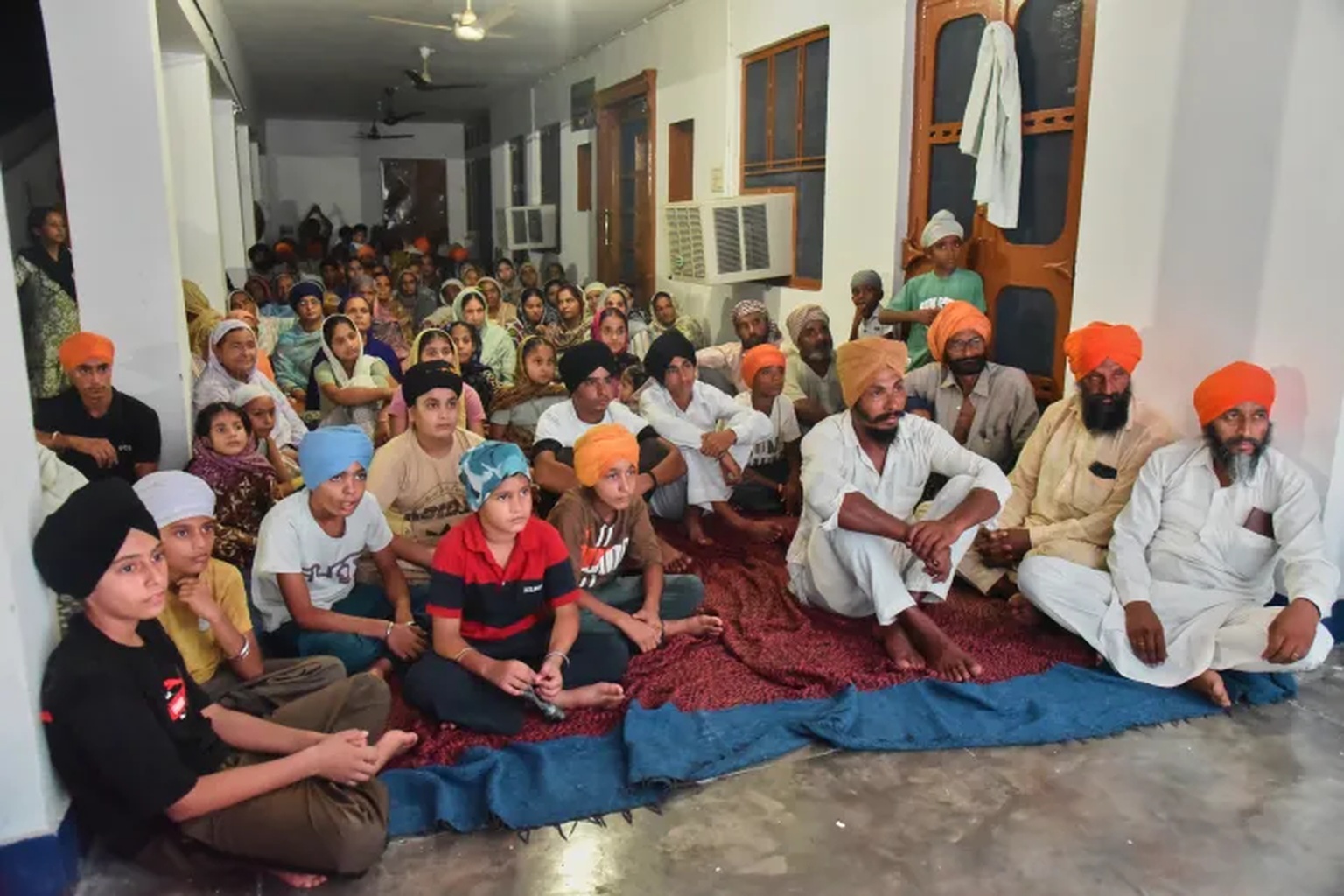
Even after the film disappeared from streaming platforms, people continued to watch it through community screenings across Punjab. Organisers arranged public shows in villages, community halls, and religious places.
Many young viewers attended these screenings because they wanted to understand a part of history that schools rarely discuss in detail. Older residents also joined to share their personal memories of those difficult years.
Supporters say these events encourage discussion and help preserve historical memory. They also believe open conversations can strengthen democracy.
Political Reactions
The film has also entered political discussions. Union Minister Ravneet Singh Bittu questioned the figures mentioned in the film regarding missing people and alleged illegal cremations. He asked the filmmakers to provide documentary evidence or clearly state that the numbers are not officially verified.
The filmmakers and supporters argue that the story reflects Jaswant Singh Khalra’s investigations. They say the film encourages people to think about justice, accountability, and human rights instead of promoting any political agenda.
The disagreement shows that many questions about Punjab’s past remain unresolved.
Freedom of Expression or National Security?
The debate over Satluj goes beyond one movie. It raises an important question about the balance between freedom of expression and national security.
Many people believe filmmakers should have the freedom to tell stories based on historical events. They argue that audiences can decide what to believe after watching the film.
Others support tighter controls on films that deal with insurgency or national security. They believe such stories could create misunderstanding or disturb public order.
Finding the right balance remains difficult. Governments often face pressure to protect public peace, while artists seek the freedom to present different viewpoints.
Conclusion
The controversy surrounding Satluj has turned the film into more than a biography of Jaswant Singh Khalra. It has become part of a larger debate about history, justice, censorship, and democracy.
Whether the film receives a wider release or not, the discussion around it continues to grow. It reminds people that difficult chapters of history often remain relevant for many years. The challenge lies in remembering the past while encouraging open dialogue and respecting different perspectives.