

Introduction
Maharana Pratap Jayanti is celebrated across India, especially in Rajasthan, to honor the birth anniversary of one of the country’s greatest warrior kings, Maharana Pratap. Known for his unmatched bravery, patriotism, and determination, Maharana Pratap remains a symbol of courage and resistance in Indian history.
The festival is observed with great pride by Rajput communities and admirers of Indian heritage. Schools, social organizations, and government institutions organize cultural programs, rallies, speeches, and tributes remembering the sacrifices and achievements of the legendary ruler. Maharana Pratap Jayanti is not only a celebration of history but also an occasion to inspire younger generations with the values of honor, self-respect and dedication to one’s motherland.
Who Was Maharana Pratap?
Maharana Pratap was born on 9 May 1540 in Kumbhalgarh Fort, Rajasthan, and belonged to the Sisodia dynasty of Mewar. He is remembered as one of the fiercest Rajput kings who fought against the Mughal emperor Akbar to protect the independence of his kingdom.
Despite facing military and economic hardships, Maharana Pratap refused to surrender to Mughal rule. His determination to defend Mewar made him one of the most respected figures in Indian history. He spent much of his life fighting battles, rebuilding his kingdom, and protecting the pride of his people.
One of the most famous aspects of his story is his loyal horse, Chetak, who became a symbol of bravery and loyalty after the Battle of Haldighati.
The Battle of Haldighati
The Battle of Haldighati, fought in 1576 between Maharana Pratap and the Mughal forces led by Raja Man Singh, remains one of the most celebrated battles in Indian history. Although the battle did not result in a decisive victory, Maharana Pratap’s courage and resistance became legendary.
According to historical accounts, Chetak carried the wounded Maharana safely away from the battlefield despite being severely injured. This story continues to inspire millions and is often highlighted during Maharana Pratap Jayanti celebrations.
The battle symbolizes the spirit of resistance and the refusal to compromise on freedom and self-respect.
How Maharana Pratap Jayanti is Celebrated
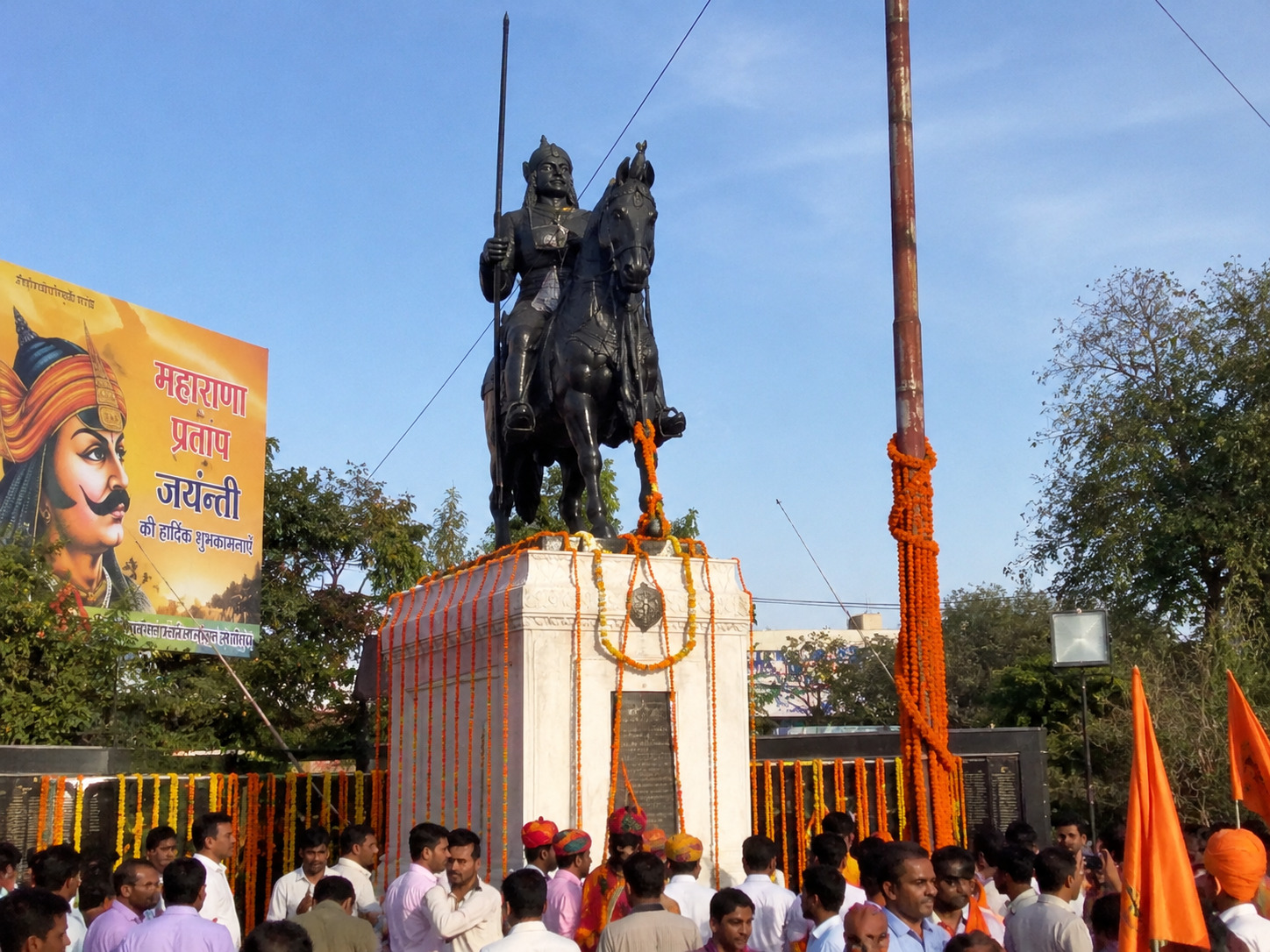
Maharana Pratap Jayanti is celebrated with great enthusiasm in Rajasthan, Uttar Pradesh, Madhya Pradesh, and several other parts of India. Processions featuring traditional Rajput attire, horses, swords, and cultural performances are organized in many cities.
Educational institutions conduct essay competitions, debates, and seminars discussing the life and achievements of Maharana Pratap. Statues and memorials dedicated to the warrior king are decorated with flowers, and people gather to pay tribute.
Many communities also organize blood donation camps, social service activities, and patriotic events to mark the occasion. Folk songs and dramas narrating the bravery of Maharana Pratap and the sacrifice of Rajput warriors are performed during celebrations.
Cultural and Historical Importance
Maharana Pratap Jayanti serves as a reminder of India’s rich warrior heritage and the importance of standing firm against injustice. Maharana Pratap is admired not only for his military skills but also for his leadership, humility, and commitment to protecting his people.
Historians often describe him as a ruler who valued independence above personal comfort and luxury. Even during difficult times, he chose to live in forests and face hardships rather than submit to foreign rule.
The festival also strengthens cultural pride among Rajput communities and encourages people to learn more about India’s historical heroes.
A Legacy That Continues to Inspire
Maharana Pratap Jayanti is much more than a historical remembrance. It is a celebration of bravery, patriotism, sacrifice, and unwavering determination. The life of Maharana Pratap continues to inspire millions of Indians to value courage, dignity, and love for the nation. As people gather every year to celebrate his birth anniversary, the legendary warrior king remains a timeless symbol of resistance and honour whose legacy still echoes across generations.
Read more about the festivals in June.