


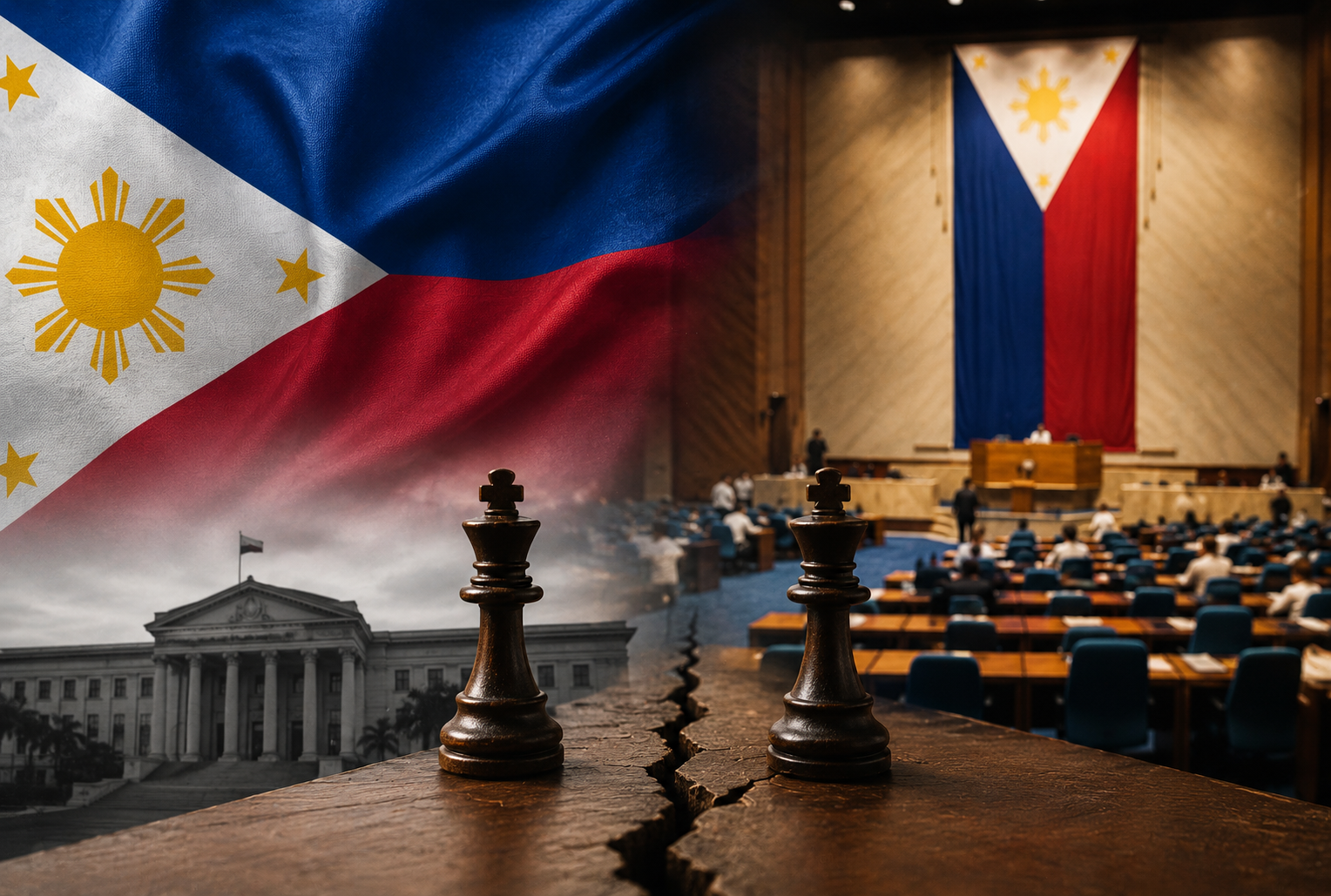
Legislative Work Comes to a Standstill
The Philippines is facing a political deadlock as disputes within the Senate continue to delay legislative work. As a result, several important bills remain stalled. The delays have raised concerns about the government’s ability to address key national priorities.
Lawmakers are divided over political and procedural issues. Consequently, progress on economic, healthcare, infrastructure, and public service reforms has slowed. Many observers fear that prolonged disagreements could further affect government efficiency.
President Calls for Action
In response, President Ferdinand Marcos Jr. has urged lawmakers to return their focus to legislative duties. He stressed the need to pass measures that support economic growth and improve public welfare.
Moreover, the president warned that ongoing political conflicts could undermine reform efforts. He emphasized that cooperation among lawmakers is essential to address the country’s most pressing challenges.
Political Rivalries Drive the Stalemate
Analysts believe the deadlock reflects deeper political rivalries. Several groups are competing for influence ahead of future elections. Therefore, disagreements over leadership positions and policy priorities have become more visible.
At the same time, political maneuvering has made it difficult for lawmakers to reach consensus. This has further slowed progress on important legislation.
Economic Concerns Continue to Grow
The political uncertainty is also attracting attention from the business community. Investors and business leaders are closely monitoring the situation. They worry that delays in economic reforms could affect investor confidence.
Furthermore, many experts argue that political stability is critical for maintaining growth. Without legislative progress, some development projects could face setbacks.
Hopes for a Resolution
Despite the challenges, government officials remain optimistic. Discussions between political leaders are ongoing, and efforts to resolve differences continue.
If an agreement is reached soon, lawmakers could resume normal operations and move forward with pending legislation. Such a breakthrough would likely boost public confidence and reassure investors.
Why It Matters
The Philippines remains one of Southeast Asia’s fastest-growing economies. However, political stability will be crucial for sustaining that momentum.
For now, the country remains at a crossroads. A quick resolution could help restore legislative progress, strengthen governance, and support long-term economic growth.