

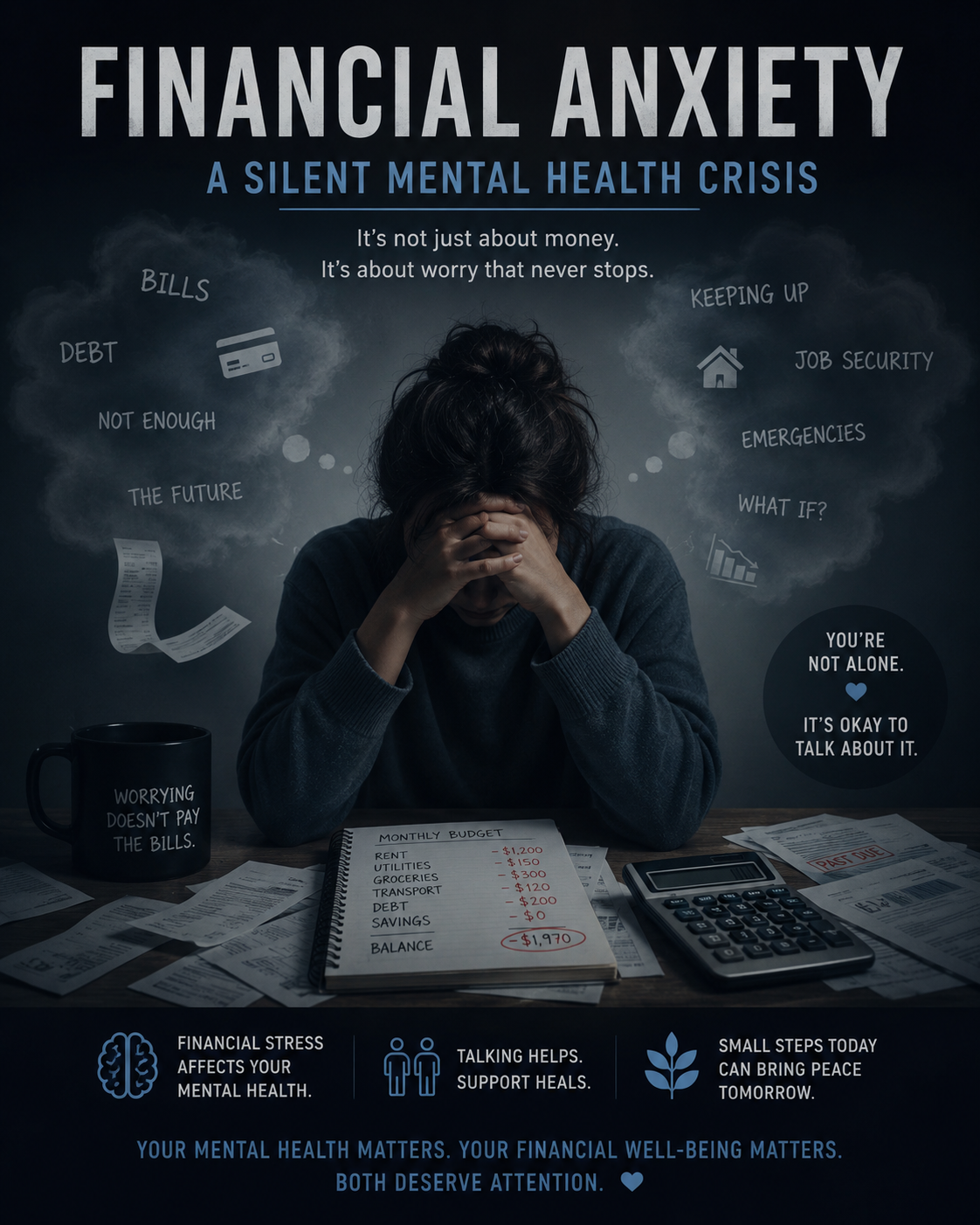
We often discuss money in terms of numbers, such as interest rates, inflation, savings goals and debt ceilings. However behind these numbers lies a human experience that rarely gets discussed in the boardroom: the reality of financial anxiety that can be really tough to deal with.
Financial anxiety is not about being stressed because you have a big bill coming up. It is a feeling of dread that’s always there affecting every decision you make every relationship you have and every thought you think. It is a health crisis that is not often talked about and it is becoming more common but people are still too ashamed to discuss it.
The Anatomy of Financial Anxiety
anxiety is different from other types of anxiety. It is not something that happens sometimes it is always there and it can be really overwhelming. It happens because people feel like their needs, such as food, housing and planning for the future are not secure.
When you feel like this the world can be a scary place. Just getting a text message from your bank can make you feel anxious. Talking to friends about travel can make you feel bad about yourself. It is not just about not having a lot of money it is about being afraid of what will happen when you run out of money or feeling like you are not doing well as you should be.
Why We Stay Silent
The dangerous thing about financial anxiety is that people do not like to talk about it. In cultures discussing money is considered impolite. We are taught to make it seem like we are successful even if we are struggling.
This silence makes financial anxiety worse. When you do not talk about your fears you think you are the only one who is struggling. You look at media and see peoples vacations, new cars and nice meals and you think everyone else has figured it out but you have not. This makes you feel alone and ashamed. It prevents you from getting help or making changes to improve your situation.
The Physical and Psychological Toll
Financial stress can affect your body and mind. It can cause:
- Insomnia: you lie awake at night thinking about money
- Decision Paralysis: you are too afraid to make decisions so you do not make any
- Relationship problems: financial stress can cause problems in your relationships and it can even lead to divorce
Breaking the Cycle
The first step to overcoming financial anxiety is to recognize that it is a real mental health concern. If you are feeling this way here are a things you can do:
- Look at your finances: make a list of what you have. What you owe. This can help you feel more in control.
- Talk to someone: find a trusted friend or mentor and talk to them about your fears. This can help you feel less alone and more supported.
- Focus on steps: instead of feeling overwhelmed by your financial situation focus on making small changes, such as saving a little bit of money each month.
Moving Toward Financial Wellness
We need to stop thinking of health and mental health as separate things. They are connected. True financial wellness is not about having a lot of money it is about feeling secure and able to make decisions without feeling anxious.
If your financial anxiety is affecting your life please seek help from a professional. You do not have to deal with this and you deserve to live without the stress of financial anxiety. Remember, your financial situation does not define your worth, as a person.