

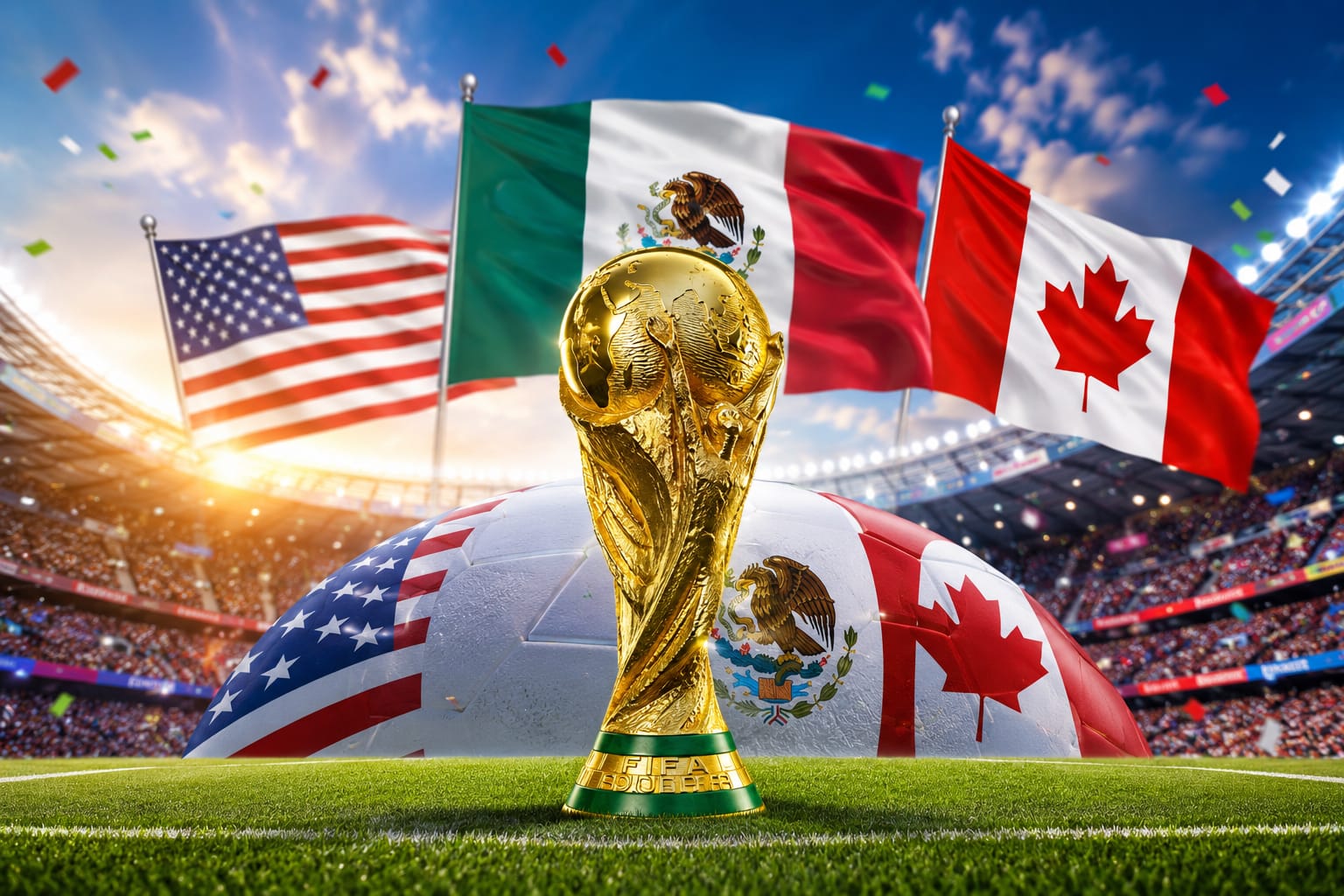
FIFA World Cup 2026: A New Era of Global Football
Introduction
The FIFA World Cup 2026 is set to be one of the most exciting and historic sporting events in the world. Football fans across the globe are eagerly waiting for this grand tournament, which promises not only thrilling matches but also a completely new experience in terms of scale and organization. Unlike previous editions, the 2026 World Cup will be hosted by three countries—United States, Canada, and Mexico—making it the first-ever tri-nation tournament in FIFA history. This unique collaboration reflects the growing global appeal of football and the spirit of unity that the sport represents.
A Historic Expansion of Teams
One of the most significant changes in the 2026 World Cup is the expansion of teams. For the first time, the tournament will feature 48 teams instead of the traditional 32. This decision opens doors for more countries to participate, especially from regions that previously had limited representation.
With more teams, the competition will become more diverse and unpredictable. Fans will get to see new talents, underdog stories, and unexpected performances. This expansion also reflects FIFA’s goal of making football more inclusive and global.
Host Nations and Venues
The United States, Canada, and Mexico will jointly host the tournament, offering a wide range of modern stadiums and infrastructure. Each country brings its own unique culture and football tradition to the event.
– United States will host the majority of matches, with world-class stadiums and advanced facilities.
– Canada will host matches in cities like Toronto and Vancouver, marking its growing importance in international football.
– Mexico, a country with deep football roots, will host matches in iconic stadiums, continuing its legacy as a World Cup host.
This collaboration will not only enhance the scale of the tournament but also provide fans with a rich cultural experience across North America.
New Format and Structure
The expansion to 48 teams also means a new tournament format. Teams will be divided into groups, and the number of matches will increase significantly. This ensures more excitement and opportunities for teams to prove themselves.
The new format aims to maintain competitiveness while also accommodating more nations. It is expected to create intense group-stage battles and more knockout drama, making the tournament even more engaging for viewers.
Economic and Social Impact
The FIFA World Cup 2026 is expected to have a massive economic impact on the host countries. From tourism to infrastructure development, the benefits will be widespread.
Millions of fans will travel to attend matches, boosting local businesses such as hotels, restaurants, and transportation services. Additionally, job opportunities will increase during the preparation and execution of the tournament.
On a social level, the World Cup promotes unity and cultural exchange. People from different backgrounds come together to celebrate their love for football, creating unforgettable memories and strengthening global connections.
Technological Advancements in the Tournament
Technology will play a major role in the 2026 World Cup. From advanced VAR systems to improved broadcasting quality, fans can expect a more immersive experience.
Innovations such as virtual reality, enhanced stadium connectivity, and real-time data analytics will transform how matches are viewed and analyzed. These advancements ensure fairness in decision-making and provide fans with deeper insights into the game.
Challenges and Criticism
Despite the excitement, the 2026 World Cup also faces certain challenges. Organizing a tournament across three countries requires complex coordination and planning. Travel logistics for teams and fans could be demanding due to long distances between venues.
Some critics also argue that expanding the number of teams may reduce the overall quality of competition. However, supporters believe that it will make the tournament more inclusive and competitive in the long run.
Environmental Considerations
In recent years, sustainability has become an important aspect of global events. The organizers of the 2026 World Cup are expected to focus on eco-friendly practices.
Efforts may include reducing carbon emissions, promoting public transportation, and using renewable energy in stadiums. These steps are crucial to ensure that the tournament leaves a positive environmental legacy.
Fan Experience and Global Excitement
The FIFA World Cup is not just about football; it is a celebration of emotions, passion, and unity. The 2026 edition will offer fans a unique experience with diverse locations, vibrant cultures, and unforgettable moments.
From cheering in packed stadiums to watching matches with friends and family, the excitement will be felt worldwide. Social media and digital platforms will further connect fans, making the event more interactive than ever before.
Future of Football After 2026
The 2026 World Cup is expected to shape the future of football in many ways. The expansion of teams could become a permanent feature, encouraging more countries to invest in football development.
It will also inspire young players across the world to pursue their dreams, knowing that opportunities to play on the biggest stage have increased. The tournament may also influence how future sporting events are organized, especially in terms of collaboration between countries.
Conclusion
The FIFA World Cup 2026 is more than just a tournament; it is a symbol of progress, unity, and the global love for football. With its expanded format, multiple host nations, and technological advancements, it promises to deliver an unforgettable experience.
While challenges exist, the opportunities and excitement far outweigh them. As the world comes together to celebrate this grand event, the 2026 World Cup will undoubtedly leave a lasting impact on the sport and its fans for generations to come.