

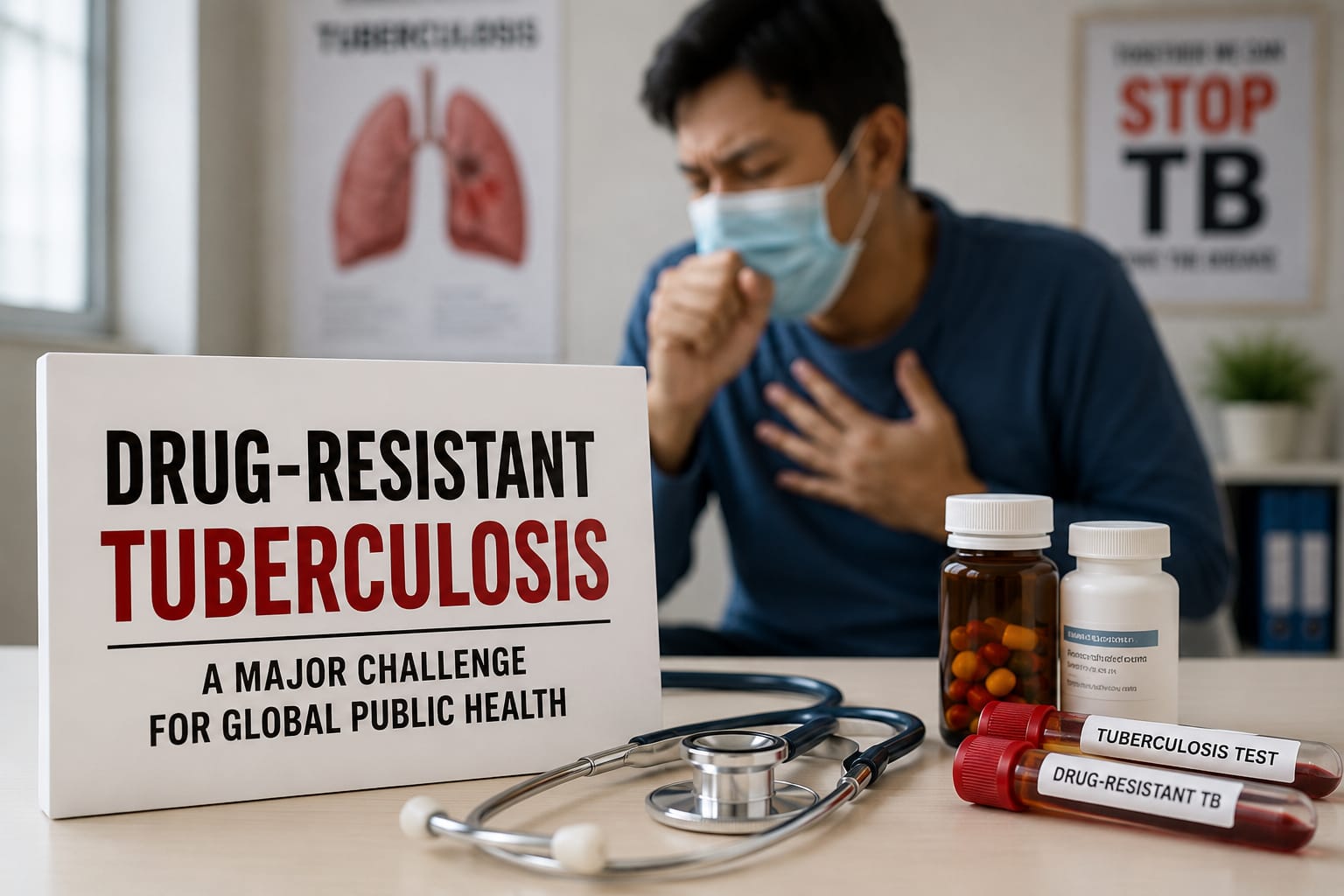
Drug-Resistant Tuberculosis: A Major Challenge for Global Public Health
Introduction
Tuberculosis (TB) is one of the world’s most serious infectious diseases. It is caused by the bacterium Mycobacterium tuberculosis and mainly affects the lungs. However, it can also spread to other parts of the body. Although modern medicine has made TB preventable and curable, millions of people continue to suffer from the disease every year.
One of the biggest concerns today is drug-resistant tuberculosis (DR-TB). This form of TB does not respond effectively to the medicines commonly used to treat the disease. As a result, treatment becomes longer, more expensive, and less successful. Drug-resistant TB threatens global public health and requires urgent attention from governments, healthcare providers, and communities worldwide.
What Is Drug-Resistant Tuberculosis?
Drug-resistant tuberculosis occurs when TB bacteria develop resistance to one or more anti-TB drugs. In simple terms, the medicines that once killed the bacteria no longer work effectively.
There are two major forms of drug-resistant TB:
Multidrug-Resistant Tuberculosis (MDR-TB)
MDR-TB is resistant to at least isoniazid and rifampicin, the two most powerful first-line TB medicines. Consequently, patients need alternative drugs and longer treatment periods.
Extensively Drug-Resistant Tuberculosis (XDR-TB)
XDR-TB is an even more severe form of resistance. In addition to resisting first-line drugs, it also resists several second-line medicines. Therefore, doctors face greater challenges when treating affected patients.
Causes of Drug Resistance
Several factors contribute to the development of drug-resistant tuberculosis.
Incomplete Treatment
Many patients stop taking their medication once they start feeling better. However, TB treatment usually lasts for several months. When patients fail to complete the full course, some bacteria survive and become resistant to medicines.
Incorrect Use of Medicines
Taking the wrong dosage or missing doses can reduce treatment effectiveness. As a result, TB bacteria adapt and develop resistance over time.
Poor Healthcare Management
In some regions, healthcare facilities lack proper diagnostic tools and trained professionals. Consequently, patients may receive incorrect treatment or inadequate monitoring.
Transmission of Resistant Strains
Drug-resistant TB can spread directly from one person to another. Therefore, healthy individuals may become infected with resistant bacteria without ever receiving previous TB treatment.
Symptoms of Drug-Resistant Tuberculosis
The symptoms of drug-resistant TB are often similar to those of regular TB. Common symptoms include:
– Persistent cough lasting more than two weeks
– Chest pain
– Fever
– Night sweats
– Fatigue and weakness
– Unexplained weight loss
– Loss of appetite
– Difficulty breathing
Moreover, symptoms may become more severe if treatment is delayed. Early diagnosis helps patients receive the right treatment and reduces the risk of spreading the disease.
Impact on Global Public Health
Drug-resistant TB creates significant challenges for healthcare systems around the world.
Increased Health Risks
Patients with drug-resistant TB often remain infectious for longer periods. As a result, they can spread the disease to more people within their communities.
Higher Treatment Costs
Treating drug-resistant TB costs much more than treating standard TB. Patients often require specialized medicines, frequent medical visits, and long-term monitoring. Therefore, healthcare systems face increased financial pressure.
Greater Burden on Healthcare Facilities
Hospitals and clinics must dedicate additional resources to diagnose and manage DR-TB cases. Furthermore, healthcare workers need specialized training to handle complex treatment plans.
Increased Mortality Rates
Drug-resistant TB is more difficult to cure. Consequently, it leads to higher death rates compared to drug-sensitive tuberculosis.
Why Early Detection Matters
Early detection plays a crucial role in controlling drug-resistant TB. When healthcare providers diagnose the disease quickly, patients can begin the correct treatment immediately.
Moreover, early treatment reduces complications and lowers transmission rates. In addition, it improves the chances of successful recovery. Therefore, governments should invest in modern diagnostic technologies and widespread screening programs.
Challenges in Controlling Drug-Resistant TB
Despite global efforts, several obstacles continue to hinder progress.
Long and Difficult Treatment
Treatment for DR-TB can last from nine months to more than two years. Furthermore, patients often experience side effects such as nausea, fatigue, and hearing problems.
Lack of Public Awareness
Many people do not recognize TB symptoms or understand the importance of completing treatment. As a result, delayed diagnosis and treatment interruptions remain common.
Social Stigma
TB patients often face discrimination and social isolation. Consequently, some individuals avoid seeking medical help because they fear judgment from others.
Limited Healthcare Resources
Many low-income countries struggle to provide advanced testing facilities and adequate treatment options. Therefore, controlling drug-resistant TB becomes even more challenging.
Global Efforts to Combat Drug-Resistant TB
Governments and international organizations continue to work together to reduce the burden of DR-TB.
Improved Diagnostic Tools
Modern diagnostic technologies can identify TB and drug resistance within hours. Consequently, patients can start appropriate treatment much sooner.
Development of New Medicines
Researchers have introduced new drugs that improve treatment outcomes for resistant TB cases. Moreover, shorter treatment regimens are becoming available in some countries.
Public Awareness Campaigns
Health organizations educate communities about TB prevention, symptoms, and treatment adherence. As a result, more people seek medical care at an early stage.
International Collaboration
Countries, healthcare agencies, and research institutions collaborate to share resources and knowledge. Therefore, global efforts become more effective in controlling the disease.
Prevention Strategies
Preventing drug-resistant TB is essential for protecting public health. Several measures can help reduce the spread of the disease:
– Complete the full course of prescribed TB treatment.
– Follow medical advice carefully.
– Improve infection-control practices in healthcare settings.
– Promote public awareness and education.
– Encourage early testing and diagnosis.
– Support ongoing research and vaccine development.
Furthermore, communities must work together to ensure patients receive the support they need throughout treatment.
Conclusion
Drug-resistant tuberculosis remains one of the greatest challenges facing global public health today. It threatens millions of lives, increases healthcare costs, and places enormous pressure on medical systems worldwide. However, early diagnosis, proper treatment, public awareness, and international cooperation can significantly reduce its impact.
As researchers continue to develop better medicines and diagnostic tools, there is hope for stronger control of the disease. Nevertheless, governments, healthcare professionals, and communities must remain committed to preventing and treating drug-resistant TB. Through collective action, the world can move closer to eliminating tuberculosis and creating a healthier future for everyone.